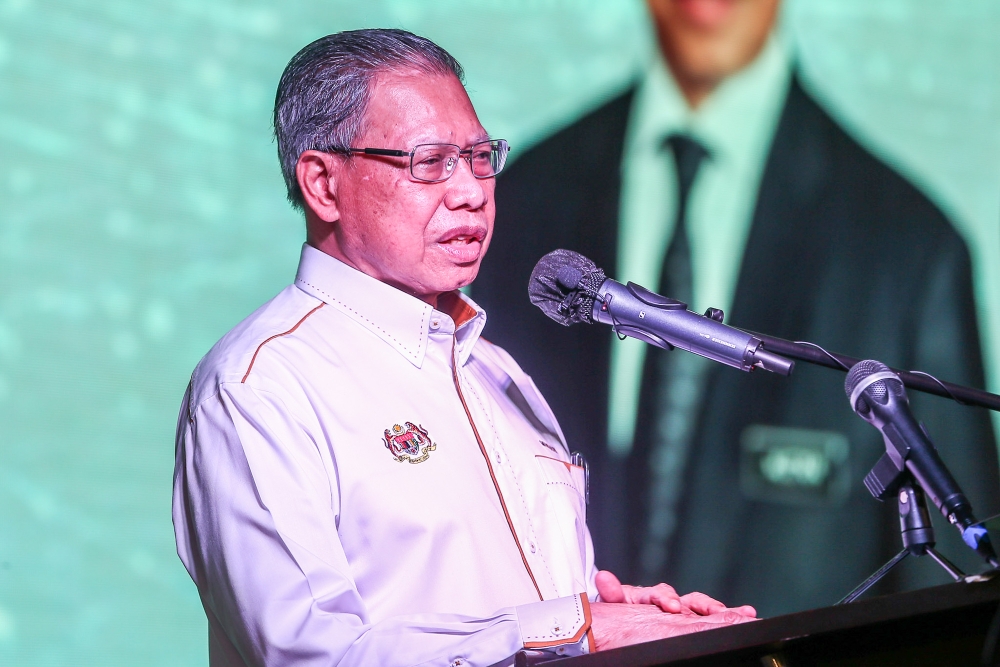
Datuk Seri Mustapa Mohamed, the 76-year-old former Member of Parliament for Jeli, has firmly closed the chapter on any potential political comeback in the next general election, signaling instead that Malaysia's political landscape must pivot toward a younger generation of leaders. Speaking in Pasir Mas, the veteran politician reiterated his decision not to seek re-election during GE16, marking a deliberate step back from frontline politics after decades of service in Parliament.
Mustapa's announcement carries particular significance within the context of Malaysian political dynamics, where transitions between generations have historically been protracted and sometimes contentious. His public endorsement of youth leadership represents a constructive approach to succession planning, particularly within PAS and broader Kelantan politics, where he has wielded considerable influence. The timing of such declarations often reflects broader party considerations about rejuvenation and electoral competitiveness, especially as political parties across Malaysia grapple with aging leadership cadres.
The former Jeli MP's emphasis on empowering younger politicians addresses a structural concern within Malaysian politics: the concentration of experience and resources among senior figures who have monopolized key positions. By voluntarily stepping aside rather than clinging to parliamentary seats, Mustapa exemplifies the institutional renewal many observers believe the country requires. His stance contrasts with the persistence of several senior politicians who continue contesting despite advanced age, making his position noteworthy within the broader political conversation about generational change.
In the context of Kelantan politics specifically, Mustapa's withdrawal creates space for emerging figures to establish themselves and build independent political bases. Kelantan has historically served as a PAS stronghold, and transitions within the party's hierarchy in the state carry implications for the broader Islamic party's direction. His decision to facilitate rather than obstruct younger members suggests recognition that political legitimacy increasingly depends on addressing succession concerns and demonstrating commitment to institutional development beyond personality-driven leadership.
Mustapa's message also reflects demographic realities confronting Malaysian politics. The electorate has grown younger while leadership structures remain dominated by individuals who entered politics during earlier eras. This generational mismatch creates both challenges and opportunities: younger voters increasingly expect policies addressing contemporary concerns like digital economy participation, affordable housing, and climate adaptation. Political parties that successfully transition leadership while retaining institutional memory and stability gain strategic advantages in such an environment.
The implications extend beyond Kelantan or PAS alone. Across Malaysian political organizations—whether UMNO, PKR, DAP, or other formations—questions about leadership succession and generational renewal persistently surface. Mustapa's proactive stance provides a model for how senior figures can contribute to this transition constructively, using their influence and credibility to smooth rather than complicate the passage of authority to successors. This approach contrasts with scenarios where aging leaders entrench themselves through procedural maneuvers, creating bottlenecks that demoralize ambitious younger politicians.
From an electoral strategy perspective, his decision potentially strengthens PAS's competitive position in Jeli and Kelantan more broadly. Constituencies often respond positively to clear succession planning, as it suggests organizational health and forward-thinking leadership rather than scrambling responses to forced retirements or health-related departures. Candidates who inherit seats through planned transitions frequently enjoy organizational goodwill and established networks, enhancing their capacity to build on previous representatives' achievements.
Mustapa's appeal for younger leaders to assume greater responsibility reflects understanding that demographic change is inevitable within political systems. Rather than resisting this reality, his approach acknowledges that fresh perspectives and energy are necessary for parties to remain relevant and responsive to evolving voter concerns. This particularly matters for PAS, which must balance traditional religious constituencies with younger Muslims who may hold different priorities regarding party positioning and policy emphasis.
The broader political significance of his statement lies in how it contributes to discourse around institutional maturity within Malaysian democracy. A healthy political system requires mechanisms facilitating leadership transitions without institutional instability or succession conflicts that paralyze decision-making. When senior figures voluntarily relinquish positions and publicly encourage younger participation, they reinforce norms supporting orderly institutional development rather than zero-sum competitions over scarce leadership positions.
Looking toward GE16, Mustapa's withdrawal from electoral competition reshapes Jeli's political equation. The seat will attract younger aspirants and potentially stimulate more competitive internal selections within PAS, strengthening the party's local organization as candidates build grassroots networks to secure nomination. Such dynamics, when multiplied across constituencies nationwide, contribute to gradual but meaningful shifts in political party composition and leadership profiles.
Ultimately, Mustapa Mohamed's reaffirmation that he will not contest GE16 represents more than a personal political decision. It constitutes a statement about political responsibility and institutional stewardship, suggesting that senior leaders can facilitate necessary change by consciously stepping aside. Whether this example catalyzes broader generational transition within Malaysian politics remains to be seen, but his explicit endorsement of youth leadership provides momentum for such evolution within PAS and potentially influences political culture more broadly across Malaysia's competitive party system.

