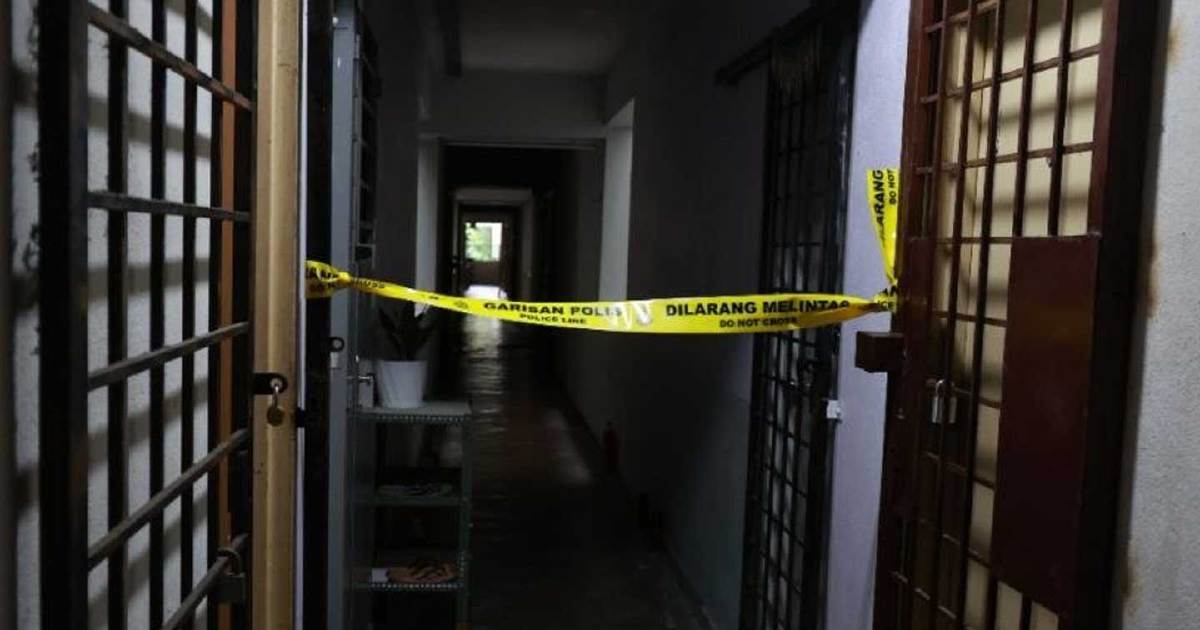
A macabre discovery in a Kajang home has triggered a full-scale murder investigation by federal law enforcement authorities. Officers responding to reports at a house in Taman Impian Indah uncovered the body of a woman hidden inside a piece of luggage, transforming what may have initially appeared to be a routine call into a significant criminal inquiry. The circumstances surrounding how the deceased came to be concealed in such manner remain under active investigation, with detectives now working to establish a timeline of events and identify potential suspects.
The discovery underscores how violent crimes can transpire within residential neighbourhoods that residents typically consider safe havens. Taman Impian Indah, like many established residential areas across the Klang Valley, houses hundreds of families who go about their daily lives unaware of the tragedies that can unfold behind closed doors. The presence of a body hidden in luggage suggests a degree of premeditation or deliberate concealment, factors that investigators will scrutinise as they build their case.
Police procedurally have initiated the standard investigative framework for cases of this severity. This includes securing the crime scene, gathering physical evidence from the luggage and surrounding area, and conducting preliminary examinations to determine cause of death. Forensic specialists will likely be deployed to analyse trace evidence, while the medical examiner's office will conduct a full autopsy to establish the exact circumstances and timeline of the woman's death.
For Malaysian residents, cases involving bodies discovered in unusual circumstances highlight the importance of neighbourhood awareness and vigilance. While such incidents remain statistically uncommon, they serve as reminders of the darker realities that occasionally intersect with everyday suburban life. Communities across Selangor, particularly in densely populated areas like the Kajang district, benefit from maintaining informal networks of observation that can help authorities identify suspicious activities or unknown persons in residential zones.
The investigation will likely require substantial police resources dedicated to interviewing residents, reviewing surveillance footage from nearby properties, and tracing the movements of individuals who had access to the residence. Detectives will need to establish whether the woman was killed at the location where she was discovered or transported there posthumously. Each scenario carries different investigative implications and points toward potentially different suspect profiles.
Family members and acquaintances of the deceased will become critical sources of information, as they can illuminate any threats, relationship difficulties, or concerning interactions the woman may have experienced in the weeks or months prior to her death. Police will also seek to determine whether the woman was reported missing and, if so, when such reports were filed and what circumstances prompted concerned parties to alert authorities.
The discovery raises questions about how such a significant crime could occur in a residential neighbourhood without immediate detection. Whether neighbours heard anything unusual, observed unfamiliar vehicles, or noticed behavioural changes in residents at the property will all form part of investigators' inquiries. In increasingly surveillance-saturated urban environments like the Klang Valley, closed-circuit television footage from private residences and commercial establishments often provides crucial temporal and evidential material.
From a broader perspective, this incident reflects the ongoing reality of violent crime in Malaysia's urban and suburban contexts. While violent homicides have remained relatively contained compared to several neighbouring countries, cases involving deliberate concealment of bodies suggest premeditated killing rather than crimes of passion, potentially indicating organised criminal involvement or deeply dysfunctional personal relationships that escalated to lethal outcomes.
The Kajang case will inevitably prompt discussion within the community about home security, safe neighbourhoods, and the warning signs of dangerous situations developing unnoticed. Residents may find themselves more attuned to suspicious activities or unusual occurrences, though authorities typically caution against speculation that could prejudice ongoing investigations or lead to vigilantism.
As the investigation progresses, police will release additional information regarding the victim's identity, preliminary cause of death, and any arrests or persons of interest once appropriate procedural steps have been completed. The case exemplifies how Malaysian law enforcement agencies, despite resource constraints that affect policing nationwide, mobilise comprehensive investigative resources when serious crimes occur within their jurisdictions. The coming weeks will prove critical as detectives work to construct a narrative of events leading to this tragedy and identify those responsible.

