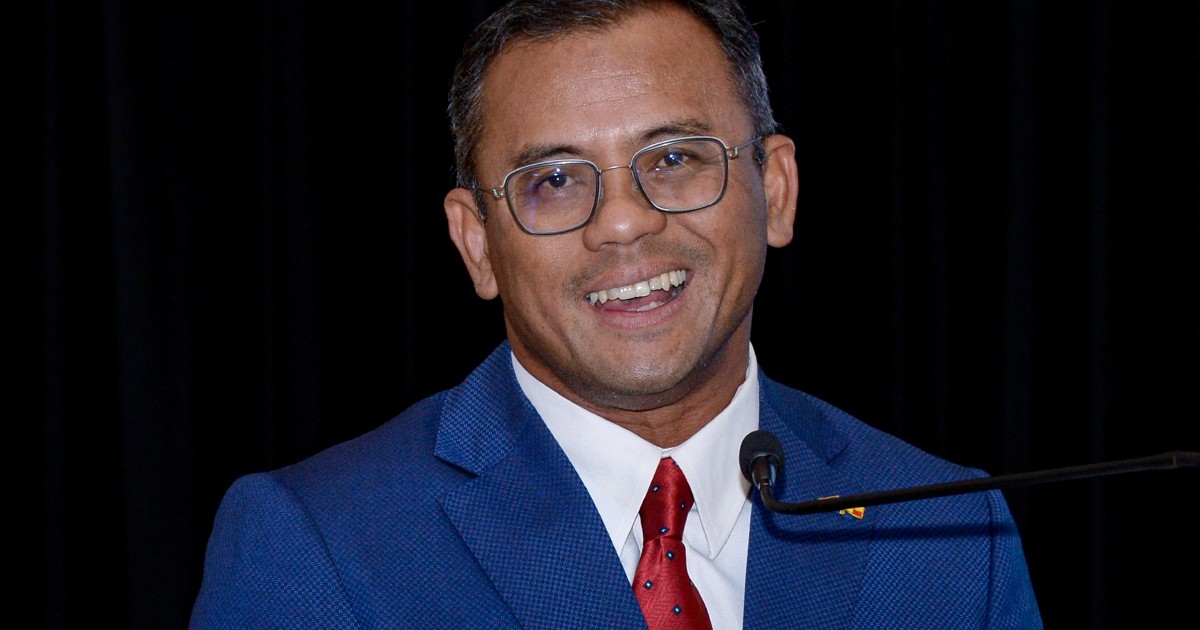
A comprehensive task force spanning multiple government agencies must be established to examine historical governance failures at Lembaga Tabung Haji (TH), according to remarks made in the Dewan Rakyat, as legislators push for clarity on whether institutional irregularities were connected to the broader 1MDB financial scandal that dominated Malaysia's political landscape in recent years.
The call for investigation carries significant weight given TH's role as a financial custodian managing the savings of over 9 million Malaysian Muslims. The institution, tasked with administering pilgrim funds and investment portfolios, operates under complex governance structures and has historically handled substantial capital. Any irregularities within its operations carry implications beyond individual accountability, touching on the integrity of systems designed to protect vulnerable savings and pension wealth.
The 1MDB scandal fundamentally reshaped Malaysia's regulatory environment and institutional oversight mechanisms. That crisis exposed systemic vulnerabilities in checks and balances across multiple organisations and exposed how financial institutions could become vehicles for large-scale misconduct when governance standards weakened. The potential nexus between TH irregularities and 1MDB activities would indicate whether similar vulnerabilities existed elsewhere or whether there were coordinated patterns of misconduct involving multiple entities during that period.
Investigators examining TH's historical operations would need to trace transaction flows, examine investment decisions made during critical periods, and review the approval processes that authorised significant capital deployments. Such scrutiny becomes particularly relevant when considering Malaysia's economic trajectory from 2009 to 2015, a period when multiple government-linked entities engaged in sophisticated financial operations that later invited regulatory examination and international scrutiny.
The composition of any task force would prove critical to its effectiveness and credibility. Such an investigation would require expertise spanning forensic accounting, financial crime investigation, and institutional governance assessment. Agencies involved would need to coordinate seamlessly while maintaining investigative independence, ensuring that findings emerge from rigorous analysis rather than being shaped by political considerations or organisational self-interest.
For Malaysian pension savers and pilgrim fund contributors, the investigation addresses fundamental questions about asset protection and fiduciary responsibility. TH operates under statutory obligations to preserve and grow contributor savings while maintaining transparency about how funds are deployed. Any evidence suggesting that irregularities compromised these duties would demand comprehensive remediation beyond simple fact-finding, potentially requiring restitution mechanisms and structural reforms.
The broader regional implications warrant consideration as well. Southeast Asian economies increasingly scrutinise institutional governance practices, with Malaysia's experiences informing lessons learned across the region. How Malaysian authorities investigate complex financial irregularities and institutional misconduct influences confidence in regional financial systems and demonstrates commitment to transparent, accountable governance standards that investors and international partners expect.
Examining potential 1MDB connections specifically acknowledges that sophisticated financial misconduct rarely occurs in isolation. The 1MDB investigation revealed how multiple institutions, officials, and facilitation networks operated in concert to move capital across borders and conceal transactions. Should similar patterns emerge within TH's operations, this would suggest coordinated efforts rather than isolated instances of mismanagement, with correspondingly severe implications for responsible parties.
The legislative emphasis on establishing a dedicated task force rather than relying on existing oversight mechanisms signals recognition that conventional institutional review processes may lack adequate independence, technical specialisation, or enforcement authority necessary for thoroughgoing investigation. Multi-agency approaches distribute investigative burden across organisations with complementary capabilities while creating multiple verification points that enhance finding reliability.
Transparency in the investigation process itself becomes essential for restoring confidence in TH and broader governmental financial stewardship. Public communication about investigation scope, timelines, and methodologies would help distinguish genuine regulatory rigour from superficial examination. Malaysian citizens and contributors deserve to understand how authorities are fulfilling accountability obligations.
Any investigation would also need to consider whether governance reforms implemented since the height of 1MDB scrutiny have adequately addressed vulnerabilities within entities like TH. Examining both historical irregularities and the effectiveness of subsequent reforms provides opportunity to identify remaining institutional weaknesses requiring further strengthening before they can be exploited for misconduct.

