%22%2F%3E%3C%2Fpattern%3E%3C%2Fdefs%3E%3Crect%20width%3D%22100%25%22%20height%3D%22100%25%22%20fill%3D%22url(%23pheomxg)%22%2F%3E%3Crect%20width%3D%22100%25%22%20height%3D%22100%25%22%20fill%3D%22url(%23pheomxp)%22%2F%3E%3Ctext%20x%3D%2250%25%22%20y%3D%2250%25%22%20text-anchor%3D%22middle%22%20dominant-baseline%3D%22central%22%20fill%3D%22rgba(255%2C255%2C255%2C0.95)%22%20font-family%3D%22Georgia%2C%20'Times%20New%20Roman'%2C%20serif%22%20font-weight%3D%22700%22%20font-size%3D%22151%22%20letter-spacing%3D%22-0.02em%22%3EMuhyiddin%3C%2Ftext%3E%3C%2Fsvg%3E)
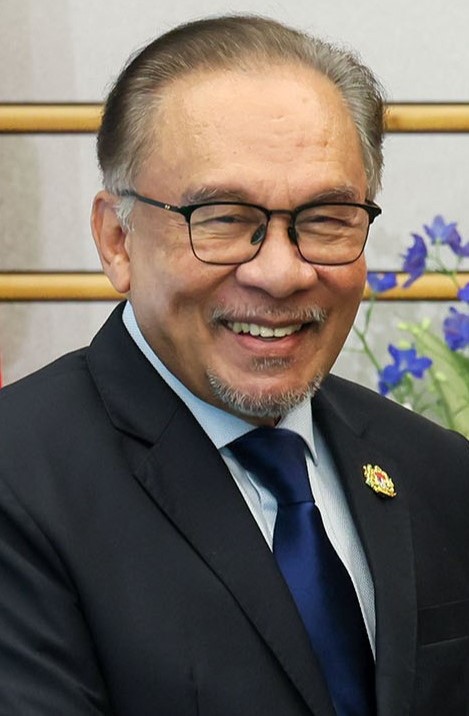
Tan Sri Muhyiddin Yassin has managed to sidestep mounting pressure to clarify Bersatu's precarious standing within the Perikatan Nasional coalition after convening an emergency meeting of allied parties in Kuala Lumpur. The Bersatu president's carefully worded response — that discussions concerning his party's status were not on the agenda — has only deepened speculation about the coalition's internal fractures and its ability to maintain unity ahead of critical political decisions.
The emergency gathering itself underscores the coalition's vulnerability at a time when political stability in Malaysia remains fragile. With Perikatan Nasional representing a significant bloc in parliament, any unravelling of the partnership could have far-reaching consequences for the country's governance. The fact that coalition leaders felt compelled to convene hastily suggests underlying tensions that extend beyond routine administrative matters.
Muhyiddin's deflection is particularly notable given the timing and tenor of recent political developments. Rather than providing clarity or reassurance to party members and coalition partners, his statement has instead fuelled conjecture about whether Bersatu's position has genuinely stabilised or merely been postponed pending further negotiations. The ambiguity surrounding his party's commitment to Perikatan Nasional raises uncomfortable questions about the coalition's structural resilience and whether it can weather the pressures confronting it.
For Malaysian observers, the Perikatan situation represents a microcosm of broader coalition politics in the country. Since the 2022 general election, governing coalitions have proven unstable, with parties frequently reassessing their positions and leverage within broader alignments. Bersatu's uncertain footing within Perikatan reflects a pattern where smaller components seek greater influence or autonomy, creating perpetual jockeying that complicates long-term governance planning.
Regional analysts have noted that Malaysia's coalition dynamics differ markedly from systems with more entrenched party structures. The relative fluidity of Malaysian political allegiances means that coalitions often exist in a state of managed disequilibrium, where member parties maintain implicit exit options. Bersatu's situation epitomises this reality, with the party potentially leveraging its parliamentary significance to extract concessions or secure strategic positioning within government structures.
The decision to avoid addressing Bersatu's status during the emergency meeting carries its own message. By declining to formally discuss the party's position, Perikatan leaders may be attempting to avoid triggering formal processes that could precipitate withdrawal or demand explicit commitments neither side is prepared to make. This approach preserves ambiguity whilst buying time for behind-the-scenes negotiations to proceed.
Muhyiddin's handling of the matter also reflects broader leadership dynamics within Bersatu itself. The party encompasses diverse factions with varying priorities, and any definitive statement about coalition alignment could invite internal challenge. By maintaining strategic silence on the question, Muhyiddin arguably shields himself from having to navigate competing internal pressures or commit to positions that might alienate influential party members.
For the wider Perikatan partnership, Bersatu's ambiguous status creates downstream complications. Coalition partners including Parti Pribumi Bersatu Malaysia's allies depend on predictable alignment to advance shared agendas. Uncertainty about Bersatu's commitment level undermines collective decision-making and complicates coordination on parliamentary business. Legislation or policy initiatives may face unexpected obstacles if Bersatu adopts a more independent posture.
The implications extend to Malaysia's opposition coalitions as well. Perikatan's internal instability creates opportunities for opposition players to target swing elements or encourage defections. In a parliament where seat margins often prove narrow, the confidence and cohesion of governing blocs directly influence legislative outcomes. A visibly fragmented Perikatan projects weakness that competitors will exploit.
Muhyiddin's careful non-answer also reflects the practical realities of contemporary Malaysian politics. Explicit statements about coalition membership can have financial and administrative consequences, affecting ministerial appointments, committee positions, and resource allocation. Maintaining calculated ambiguity allows parties to preserve negotiating options whilst avoiding premature closure on positions that might require costly reversals.
Looking forward, Perikatan's sustainability will depend on whether coalition members can reach durable agreements addressing underlying concerns about power-sharing, representation, and resource distribution. Bersatu's unclear positioning suggests these negotiations remain incomplete. The party may be signalling that deeper reassurances are required before it commits fully to the coalition's trajectory.
The emergency meeting itself, whilst convened ostensibly to address coalition matters, appears not to have resolved the fundamental questions about Bersatu's intentions. Instead, it has produced a public relations holding pattern where ambiguity substitutes for clarity. Malaysian stakeholders watching these developments will likely interpret the lack of resolution as a sign that Perikatan's internal contradictions remain unresolved and potentially threatening to the coalition's long-term viability.