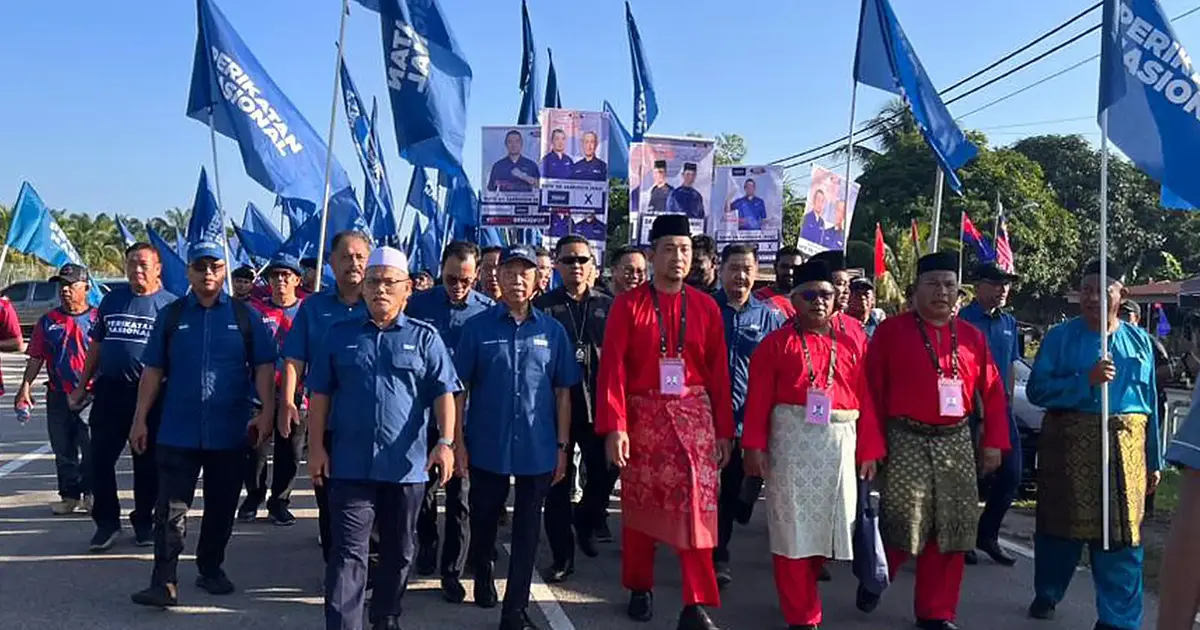
Perikatan Nasional's leadership moved into higher gear this week when party chairman Muhyiddin Yassin joined hundreds of campaign supporters in backing Dr Sahruddin Jamal's bid to retain the Bukit Kepong seat. The show of force underscores the coalition's determination to consolidate control over constituencies it currently holds, even as broader electoral competition intensifies across the country.
Dr Sahruddin Jamal, who has held the assembly position across two consecutive terms, represents both continuity and proven administrative experience in the Bukit Kepong division. His candidacy under the Bersatu banner positions him as the incumbent challenger in what is shaping up to be a closely watched contest. The significance of Muhyiddin's personal presence at the rally extends beyond ceremonial campaign duty—it signals leadership confidence in Dr Sahruddin's electoral prospects and demonstrates the coalition's resource commitment to defending this particular seat.
The mobilisation of several hundred supporters reflects the grassroots organising capacity that Perikatan Nasional has been rebuilding in recent years. For constituency-level politics in Malaysia, such turnout at campaign events typically indicates functional party machinery and sustained engagement among rank-and-file members. This matters considerably because assembly seats often determine the texture of state politics, influencing resource allocation, development priorities, and the political direction of broader state governments.
Bukit Kepong's electoral significance extends beyond its immediate constituency boundaries. The seat is part of a wider regional political ecosystem where competition between Perikatan Nasional, the ruling Barisan Nasional coalition, and the opposition bloc shapes not only state-level governance but also influences the broader calculus of coalition-building at federal level. Control of assembly seats translates into legislative numbers that can prove decisive during critical votes and policy negotiations.
Muhyiddin's visible endorsement also carries meaning regarding internal Perikatan Nasional dynamics, particularly the relative standing of different member parties. Bersatu's fielding of Dr Sahruddin represents a continued allocation of winnable seats to the party within the coalition structure. This matters for intra-coalition balance and the maintenance of partnerships that have proven essential to Perikatan's political viability following the collapse of various federal coalitions over recent years.
The timing of the campaign rally reflects the electoral calendar pressures facing all political coalitions. Assembly elections generate heightened activity and public engagement, requiring leadership to deploy credibility and organisational resources strategically. Muhyiddin's participation indicates that party strategists regard Bukit Kepong as a seat warranting investment of senior leadership capital, suggesting either that it faces genuine competitive pressure or that retaining it comfortably matters for the coalition's overall narrative of momentum and consolidation.
For Malaysian voters, particularly those in Bukit Kepong, the stakes involve questions of local representation and service delivery. Dr Sahruddin's two-term track record becomes the baseline against which voters assess his candidacy. The backing of the party's national leadership may enhance his standing with supporters who prioritise alignment with federal political trends, though it may also alienate voters focused primarily on constituency-specific concerns and local leadership that demonstrates independence from central party direction.
The rally format itself—bringing hundreds of supporters together in coordinated demonstration—reflects the continued salience of traditional campaign approaches in Malaysian politics despite the growth of digital engagement. Physical presence, local celebrity, and communal gathering retain considerable political weight, particularly in constituencies where social networks and personal relationships shape voting behaviour. Perikatan Nasional's investment in this ground-level mobilisation suggests confidence in these conventional methods' continued effectiveness.
Looking forward, Bukit Kepong will likely remain a focal point of competitive campaign activity. The coalition's early and visible demonstration of support through Muhyiddin's attendance establishes a baseline of commitment that may prove important should the election tighten or opposition parties mount serious challenges. For Malaysian political observers, such rallies function as indicators of relative coalition health, resource availability, and the perceived importance of specific contests within the broader electoral landscape.
The campaign push in Bukit Kepong ultimately illustrates how assembly-level politics in Malaysia operates at the intersection of local representation, coalition strategy, and broader political competition. Dr Sahruddin's candidacy, backed by visible national leadership support, demonstrates both the opportunities and constraints that traditional political machines continue to face in mobilising voters around familiar candidates and proven organizational relationships.

