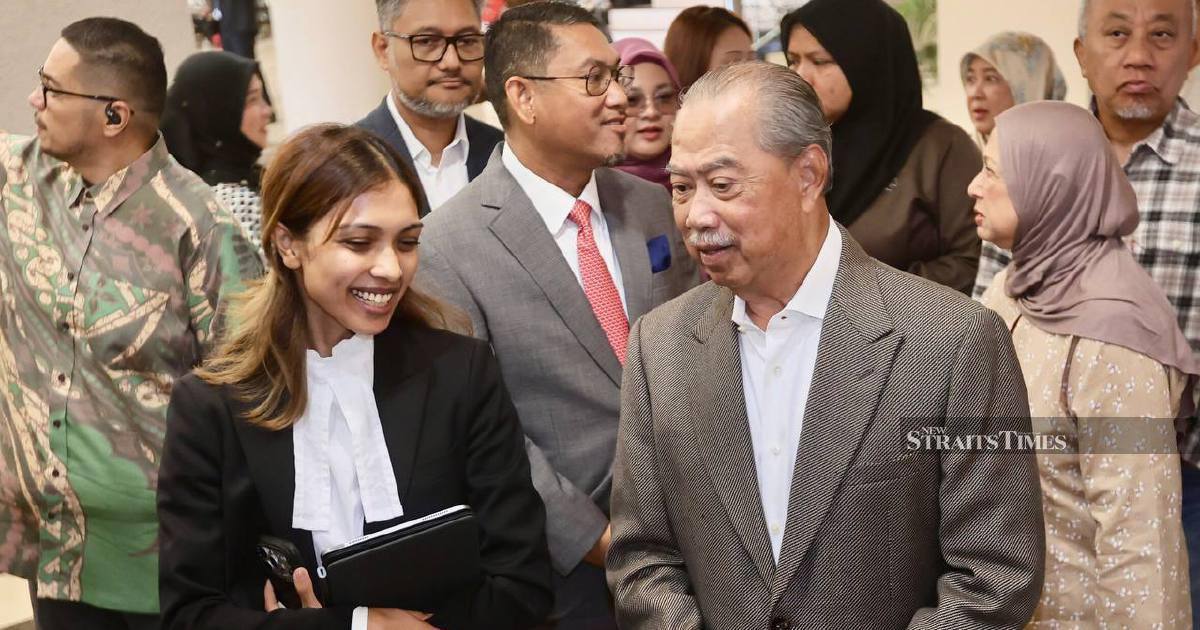
The Jana Wibawa trial involving former Prime Minister Tan Sri Muhyiddin Yassin took a significant turn when a court witness testified today that the Bersatu leader never requested any financial contributions in his own capacity or on behalf of the party. The testimony in the Kuala Lumpur High Court comes as the Defence maintains that no improper solicitation occurred in connection with the transaction at the centre of the proceedings.
The witness's account stands as a key piece of evidence in establishing the circumstances surrounding the Jana Wibawa donation. The former premier has been facing legal scrutiny related to fundraising activities, and the defence team is working systematically to challenge assertions that might suggest misconduct in how the funds were sought or received. Each witness called to give evidence provides an opportunity for the court to build a clearer picture of what actually transpired during the relevant period.
Muhyiddin's defence strategy appears focused on demonstrating that his conduct fell short of what prosecutors must establish to secure a conviction. By presenting witnesses who can attest to the absence of direct solicitation, the defence team aims to create reasonable doubt about the prosecution's narrative. This approach is standard in financial crime cases where the manner and circumstances of how money changed hands become crucial to determining culpability.
The Jana Wibawa proceedings have garnered considerable attention within Malaysian political circles, given Muhyiddin's prominent position as a former premier and current political party leader. The case touches on broader questions about campaign financing, political donations, and transparency in how political parties and their leaders accept financial support. These issues resonate with Malaysian voters who have expressed concerns about money in politics following various high-profile investigations into political funding over the past decade.
For Bersatu and its supporters, the trial's outcome carries implications for the party's political standing. The defence narrative that no improper requests were made helps maintain that the party operated within acceptable parameters when accepting the donation. This distinction matters in the court of public opinion as much as in the legal proceedings, particularly as Bersatu positions itself within Malaysia's evolving political landscape.
The high court proceedings will continue to hear further testimony as both the prosecution and defence present their respective cases. The judicial process requires that all evidence be thoroughly examined before any determination can be made about whether the funds were solicited improperly. Each witness statement becomes part of the mosaic from which the court will eventually derive its findings of fact.
Understanding the context of political fundraising in Malaysia becomes essential when evaluating such cases. Unlike some democracies with strict campaign finance regulations, Malaysia has historically had less stringent controls over how political parties and their leaders solicit donations. Recent years have seen growing calls for greater transparency and regulation in this area, making cases like Jana Wibawa increasingly important precedents for establishing acceptable standards.
The witness testimony also reflects broader developments in Malaysia's approach to political accountability. Over the past several years, the nation has seen increased legal scrutiny of political figures from across the spectrum, with investigations and prosecutions targeting individuals from various parties. This pattern suggests a general movement toward holding all political actors to greater standards of financial propriety, regardless of their partisan affiliation or historical prominence.
For Southeast Asia more broadly, Malaysia's experience with political funding cases offers insights into how the region's democracies are grappling with the intersection of politics and money. As other countries in the region enhance their anti-corruption frameworks and judicial systems, the outcomes of high-profile cases like Muhyiddin's will likely influence how governments and political parties operate in neighbouring jurisdictions.
The trial's progression through the court system also underscores the role of Malaysia's judiciary in addressing politically sensitive matters. High courts must balance the need for thorough investigation and prosecution of potential misconduct with the principle that individuals retain the presumption of innocence until proven guilty. Witness testimony, like that presented today, forms the evidentiary foundation upon which such judicial determinations ultimately rest.
As the proceedings continue, observers will watch how the court evaluates conflicting accounts and determines the weight to assign various pieces of evidence. The question of whether Muhyiddin actively solicited the Jana Wibawa donation remains central to understanding whether any breach of law occurred. Today's witness testimony suggests the defence intends to establish reasonable doubt on this crucial factual question through systematic presentation of evidence from those with direct knowledge of events.

