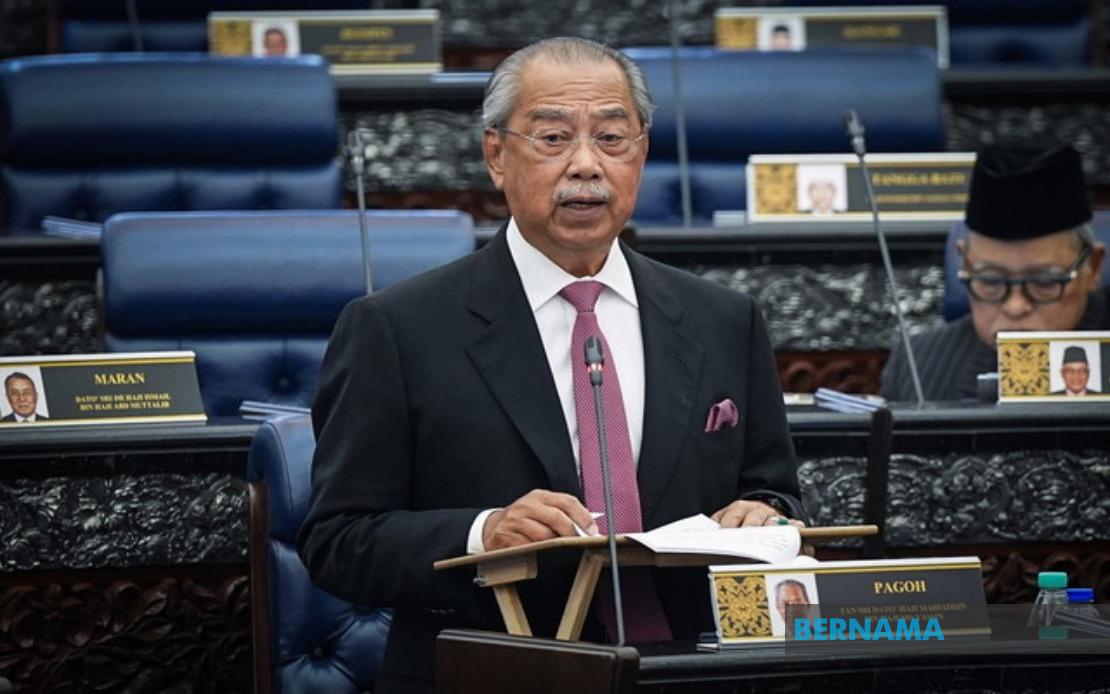
Tan Sri Muhyiddin Yassin, the Pagoh MP and former Prime Minister, has pressed the government to immediately initiate a thorough and transparent forensic audit of how Lembaga Tabung Haji (TH) has managed its funds, with completion targeted within twelve months. Speaking during parliamentary debate on the institution's Royal Commission of Inquiry (RCI) report, Muhyiddin stressed that such action is imperative given the governance and transparency failures the inquiry uncovered in how the pilgrimage fund operates and deploys its resources.
The RCI investigation, which was released publicly on July 29 following a government decision to disclose its contents, documented substantial financial deterioration at the institution. Between 2014 and 2020, TH accumulated estimated losses ranging from RM10 billion to RM12.6 billion. This figure underscores the scale of the problem facing Malaysia's hajj fund, which serves as a savings and investment vehicle for millions of Muslims planning to undertake the pilgrimage. For Malaysian readers, these losses represent funds that could have supported departing pilgrims and their families, making the findings particularly significant for the many households depending on TH's financial stability.
Muhyiddin argued that an independent forensic examination is essential to trace the movement and deployment of funds throughout the institution's financial systems, pinpoint where fraud may have occurred, document instances of power abuse, and highlight areas where negligence contributed to losses. He emphasized that accountability must follow such an audit, with those responsible for depleting TH resources through any combination of fraudulent activity, misuse of authority, or carelessness brought before the courts. The former prime minister's position carries weight given his previous tenure as the nation's chief executive and his current role as Bersatu party president, placing him among the legislature's senior voices on governance matters.
Paralleling these demands for financial scrutiny, Syed Saddiq Syed Abdul Rahman, the MUDA MP for Muar, proposed a more targeted investigative approach. He called for the establishment of a Multi-Agency Task Force specifically assigned to examine fourteen problematic TH investments that the RCI identified as particularly problematic. Rather than allowing individual agencies to investigate separate aspects in isolation, Syed Saddiq advocated for a coordinated effort bringing together the Malaysian Anti-Corruption Commission (MACC), the Royal Malaysia Police, and the Inland Revenue Board. This collaborative framework could ensure comprehensive examination of how these investments soured and who bore responsibility.
Syed Saddiq's proposal extended beyond TH itself, recommending that investigators cast their net wider to encompass comparable investment failures at other government-linked entities including Felda, FGV, and Eagle High. This broader approach reflects growing parliamentary concern that systemic weaknesses in oversight and governance may extend across multiple major institutions managing public resources. By examining patterns across these organizations, investigators might identify common vulnerabilities or repeat actors involved in problematic financial decisions, potentially uncovering larger networks of poor stewardship that isolated investigations would miss.
The Muar MP further suggested that forensic audits be conducted specifically on each of the fourteen investments flagged as problematic, creating a detailed financial and operational record that could inform enforcement actions and civil recovery proceedings. For Malaysian stakeholders, particularly the millions of Tabung Haji members whose retirement and pilgrimage savings are at stake, such detailed examination offers hope that losses might be recovered through legal action against those responsible. The proposal recognizes that criminal prosecution and administrative discipline are insufficient without parallel civil remedies to restore depleted funds.
Datak Seri Hasni Mohammad, the BN MP representing Simpang Renggam, reinforced these accountability mechanisms by proposing that MACC, police, and other enforcement bodies deliver regular progress briefings on all investigations spawned by the RCI findings. These updates should occur within firmly established timeframes, ensuring that parliamentary oversight does not fade once media attention moves to other issues. Hasni also suggested that the special parliamentary sitting on the RCI report should inaugurate an ongoing, cross-party system of legislative supervision over TH's implementation of the inquiry's 25 recommendations. This permanent oversight structure would prevent the kind of extended institutional drift that allowed TH's problems to accumulate unchecked for years.
The RCI report itself, made available to the public after the government authorized disclosure, documents operational and management shortcomings spanning the 2014-2020 period and proposes twenty-five distinct improvements to TH's structure, governance, and financial controls. As of July 30, TH had already implemented approximately seventy-five percent of these recommendations, suggesting the institution has begun responding to the inquiry's findings. However, parliamentarians across party lines have signaled that administrative compliance falls short of what justice and accountability require. Implementation of procedural improvements does not address past losses or identify those responsible for them.
The special parliamentary sitting provided MPs with their formal opportunity to examine and debate the RCI's substance and recommendations in the chamber's public record. This venue allows legislative debate to shape public understanding of what occurred and establish political expectation that enforcement agencies will pursue vigorous investigations. The visibility of these demands, made by prominent figures across the political spectrum, signals to MACC, police, and other enforcement bodies that parliamentary pressure supports resource-intensive forensic investigation and prosecution efforts.
For ordinary Malaysians, particularly the nearly three million Tabung Haji members and their families, these parliamentary interventions represent the institutional mechanisms through which public accountability operates. The forensic audit, the multi-agency task force, and the enhanced parliamentary oversight all represent tools for recovering losses and preventing similar failures in future. The scale of losses documented in the RCI—potentially exceeding RM12 billion—makes this not merely a governance issue affecting an institution, but a matter touching the savings and pilgrimage plans of millions of Malaysian households whose trust in TH has been undermined. The coming months will reveal whether these parliamentary calls translate into the sustained enforcement action and resource commitment that such an audit and investigation would require.

