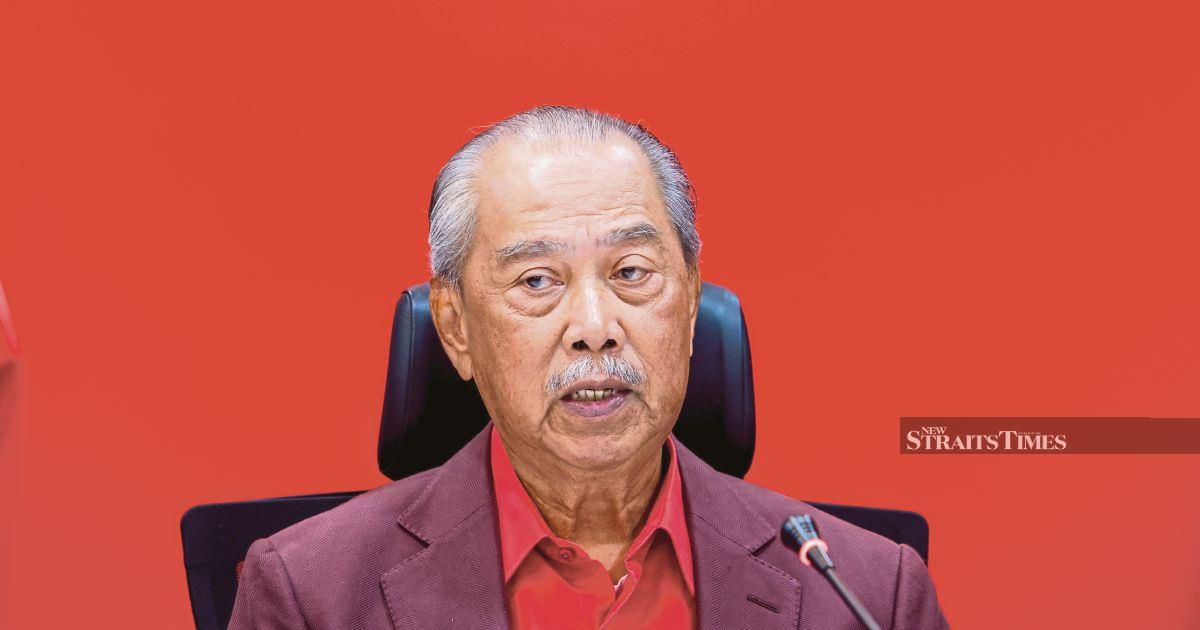
Bersatu president Tan Sri Muhyiddin Yassin has levelled serious allegations against Umno, claiming the party is executing a coordinated strategy to destabilise and dismantle the unity government formed through collaboration between Bersatu and Pakatan Harapan. The accusation touches on deep tensions within Malaysia's governing coalition, raising fresh concerns about the stability of the current administration.
Muhyiddin's warning reflects broader anxieties regarding Umno's long-term commitment to the unity framework. Since its inception, the coalition has operated as an unconventional partnership, bringing together historically rival political forces to prevent the return of the Perikatan Nasional administration. However, underlying fault lines between the constituent parties have remained visible, with disagreements over power-sharing arrangements, ministerial appointments, and policy direction creating periodic friction.
The Bersatu leader's remarks appear to draw parallels with the collapse of his own Perikatan Nasional government in 2021, when defections and withdrawals of support from coalition partners ultimately forced the administration's dissolution. Muhyiddin's concerns suggest he views current dynamics within the unity government as following a similar trajectory, with Umno potentially using strategic withdrawals or public criticism to undermine the coalition from within.
Umno's role in the unity government remains complex. The party represents a significant bloc of parliamentarians and retains substantial influence in Malaysian politics, particularly within the Malay-Muslim electorate. However, ideological differences between Umno's conservative base and Pakatan Harapan's more reformist agenda have occasionally surfaced in policy debates. These tensions could potentially be exploited to weaken the coalition's cohesion.
The unity government framework emerged as a pragmatic solution following the 2022 general election, when no single coalition secured an overwhelming majority. Rather than attempting to form a government based on a slender parliamentary majority, the parties involved chose to prioritise stability and national development through an inclusive alliance. This arrangement has allowed the government to pursue key legislative initiatives without constant fear of parliamentary defeats.
However, the coalition's novelty continues to present governance challenges. Regular coordination meetings, clear protocols for resolving internal disputes, and mechanisms for managing divergent party interests remain essential to prevent the kind of unravelling that Muhyiddin appears to fear. The unity government's survival depends not merely on numbers but on demonstrated commitment from all component parties to shared objectives.
Muhyiddin's public statement may itself represent a tactical manoeuvre within coalition dynamics. By vocalising suspicions about Umno's intentions, Bersatu signals its vigilance and demonstrates to other coalition partners that any attempts at destabilisation will be exposed and resisted. Simultaneously, the accusation places Umno in a position where it must publicly reaffirm its commitment to the unity framework or risk being characterised as undermining national stability.
For Malaysian voters and policymakers, such tensions underscore the inherent fragility of broad-based coalitions. While the unity government has functioned better than many observers initially expected, navigating the competing interests of multiple parties with different electoral bases and policy priorities remains perpetually challenging. The administration's ability to deliver on key initiatives—ranging from economic policy to social reforms—ultimately depends on maintaining sufficient internal cohesion.
Regional implications also merit consideration. Southeast Asia closely monitors Malaysian political stability, particularly given the country's economic significance and role in regional diplomacy. Coalition instability could distract the government from addressing pressing regional challenges, including maritime security, trade negotiations, and climate action. Maintaining the unity government thus serves broader regional interests beyond Malaysia's borders.
The fundamental question surrounding Muhyiddin's allegations centres on whether legitimate policy disagreements represent normal democratic discourse within a coalition or indicate deliberate sabotage. Umno may argue that maintaining its own political identity and asserting its policy preferences within the unity framework represents principled leadership rather than conspiracy. This distinction between legitimate political competition and coordinated destabilisation remains contested.
Moving forward, the unity government faces the challenge of demonstrating that coalitions comprising ideologically diverse parties can function effectively over extended periods. Success requires not only preventing crises but also delivering tangible benefits to Malaysians—economic growth, improved public services, and social cohesion. Without visible achievements, coalition partners may calculate that returning to opposition offers greater political advantages than continued participation in a unity arrangement.
The sustainability of Malaysia's unity government ultimately depends on whether component parties can subordinate immediate factional interests to collective stability. Muhyiddin's public warning reflects awareness that this balance remains precarious and demands continuous active management from all parties involved.

