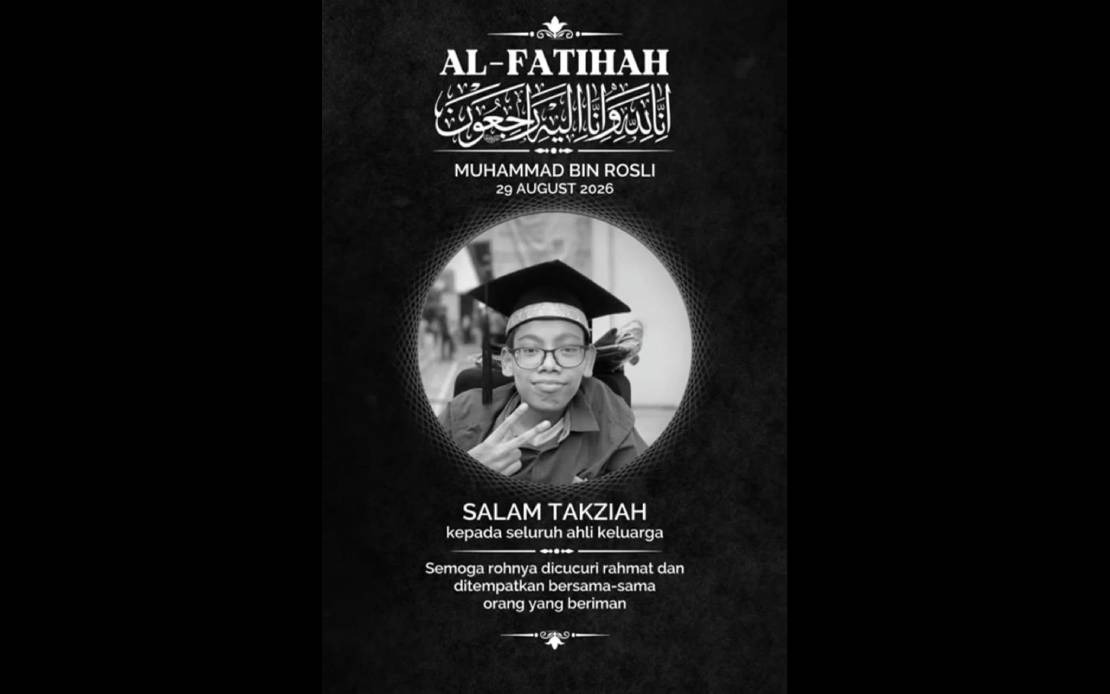
Muhammad Rosli, who became part of Malaysian medical history when he and his twin brother Ahmad underwent a pioneering separation surgery more than two decades ago, passed away on Thursday morning at Chancellor Tuanku Muhriz Hospital in Cheras. The 10:45 am death marked the end of a life that had captured public imagination since their remarkable surgical intervention in Saudi Arabia in 2002. Ahmad, his twin brother, shared news of the passing through a heartfelt Facebook message to friends and family, expressing gratitude for the prayers and well-wishes Muhammad had received throughout his medical struggles.
The pair's initial separation procedure represented a significant medical achievement for Malaysia and the broader region. In 2001, Muhammad and Ahmad first underwent a liver-splitting operation at the University Malaya Medical Centre to prepare their organs for independent function. The following year, in September 2002, they underwent the definitive separation surgery at the King Fahd National Guard Hospital in Riyadh, a complex procedure lasting 22 hours and 45 minutes that required meticulous surgical planning and execution. Both brothers initially survived and adapted to their independent lives, becoming symbols of medical progress and the possibilities of modern surgical science in the Middle East and Southeast Asia.
Muhammad's health began to deteriorate earlier this year when he was diagnosed with bladder cancer, prompting him to seek treatment at the King Fahd National Guard Hospital in Riyadh from July 2025 onwards. The aggressive nature of his illness required intensive intervention, with medical teams implementing five separate surgical procedures and subjecting him to five rounds of chemotherapy in efforts to arrest the disease's progression. Initially, these treatments appeared successful, with Muhammad reportedly being declared cancer-free following the medical interventions, and he was enrolled in a follow-up care programme to monitor his recovery and ensure early detection of any recurrence.
However, Muhammad's condition took a sharp turn for the worse in recent days. By Wednesday, Ahmad reported that his brother's health had undergone a sudden and concerning deterioration. Medical personnel at the hospital detected dangerously elevated blood acid levels, a condition that severely compromised Muhammad's consciousness and overall organ function, leaving him in a semi-conscious state from which he would not recover. The specific complications that emerged appeared to be related to the cumulative effects of his cancer treatment and the underlying malignancy, suggesting that despite initial success with chemotherapy and surgery, the disease had progressed beyond the point where medical intervention could extend his life further.
The death of Muhammad carries particular poignancy for Malaysia's medical community and the public, who had followed the twins' remarkable journey since their childhood separation. The success of their 2002 surgery had represented a watershed moment for conjoined twin separation techniques, demonstrating that even extraordinarily complex cases could be managed through meticulous planning, international cooperation, and advanced surgical expertise. Their separation became a point of national pride and an example of what Malaysian medical professionals could achieve when working within international frameworks and gaining experience at leading regional and international medical centres.
Beyond the technical achievement, Muhammad's life story embodied the human dimension of medical progress. Following their separation, both brothers pursued lives as independent individuals within their families and communities. They represented to Malaysian society the possibilities that medical science could create, allowing individuals born with life-limiting conditions to experience relatively normal existences. Their visibility in public consciousness reflected the broader hopes Malaysians held regarding healthcare advancement and the potential for the nation's medical professionals to tackle seemingly impossible challenges.
The cancer diagnosis and subsequent medical battle that occupied the final months of Muhammad's life introduced a more sobering chapter to their narrative. While the separation surgery had granted both brothers decades of independent life, the complications that ultimately claimed Muhammad's life reminded observers that survival from pioneering surgery does not guarantee immunity from other illnesses. His death underscores the ongoing medical vulnerabilities that all patients face, regardless of their medical histories or previous successes in treatment.
Muhammad's remains were laid to rest at the USJ 22 Muslim Cemetery in Subang Jaya on Thursday evening, bringing to a close a life that had intersected with some of the most significant moments in Malaysian medical history. His burial reflected the dignity and respect accorded to members of society whose lives had contributed to the nation's understanding of medical possibilities. For Ahmad, the loss of his twin brother represented not only personal grief but also the end of a shared history that had defined much of both their lives.
The passing of Muhammad Rosli serves as a reminder of the ongoing evolution of medical science and the complex relationship between groundbreaking surgical achievement and long-term patient outcomes. While the 2002 separation surgery had been undeniably successful in technical terms, allowing both brothers to live independent lives for more than two decades, Muhammad's death from cancer illustrates that even extraordinary medical interventions cannot shield individuals from the full spectrum of human health challenges. His legacy remains intertwined with that remarkable surgical achievement, yet his final years and passing add depth and complexity to the public narrative surrounding conjoined twin separation and post-operative life for such patients.

