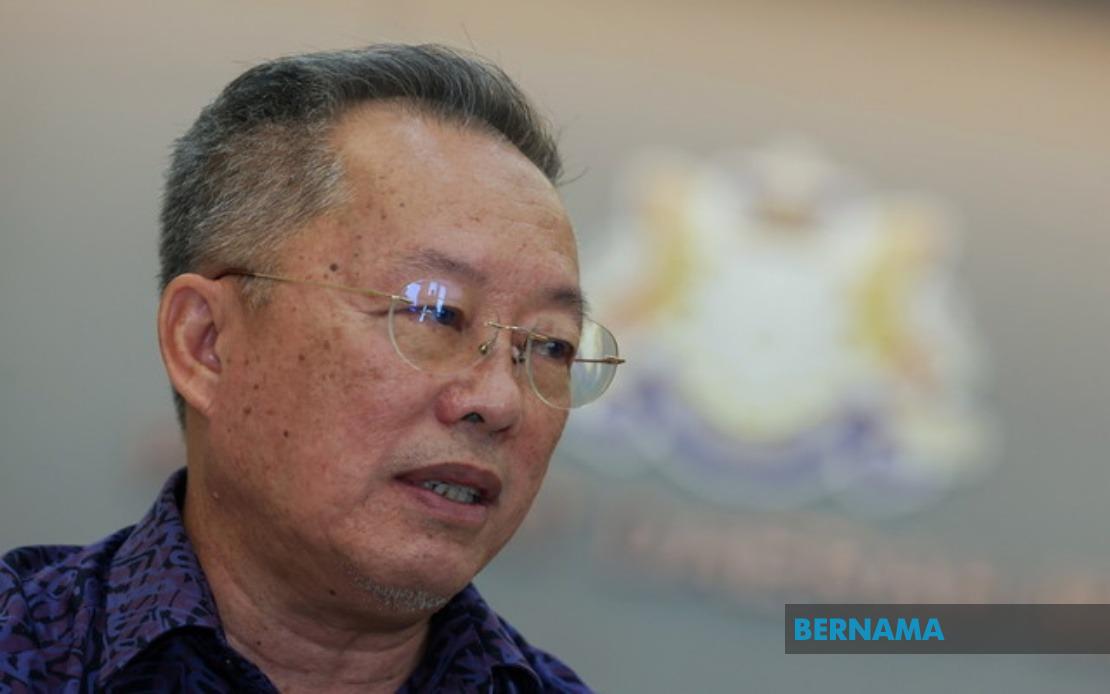
Authorities in Muar have pushed back against suggestions they derailed a high-profile community engagement led by Prime Minister Datuk Seri Anwar Ibrahim on June 15, insisting instead that relocating the programme reflected administrative protocol rather than political obstruction. Muar District Officer Zainal Eran made the clarification on July 2, emphasising that the decision to move the event from its originally scheduled location at Sungai Balang Mukim Penghulu Complex to Pantai Leka Food Court Square emerged from principled governance rather than any desire to disrupt the Prime Minister's activities in the district.
The controversy stems from a sensitive moment in Johor's political calendar, with state elections scheduled for July 11 and early voting set for July 7. During pre-election periods, government buildings occupy contested terrain between administrative necessity and campaign politics. Zainal's explanation illuminates why district-level officials felt compelled to intervene, even when the event involved the national Prime Minister, underscoring the strict interpretation of neutrality rules that state and federal coordinators must navigate during electoral cycles.
According to Zainal, the Muar District Administration sought the venue change in close consultation with the Johor State Development Office, citing the fundamental principle that state facilities should remain insulated from partisan political activity. This distinction between government business and political campaigning represents a cornerstone of Malaysia's electoral framework, though the line between community engagement by sitting leaders and electioneering often blurs in practice. The district officer's insistence that the relocation was procedurally justified reflects a broader institutional concern about maintaining the sanctity of public resources during heated campaign periods.
The timing and notification procedures surrounding the original event appear to have compounded administrative concerns. Zainal noted that the district received fewer than 24 hours' notice and lacked comprehensive programme details, making it difficult to coordinate logistics and assess whether the gathering would conform to neutrality expectations. This compressed timeline mirrors coordination challenges that routinely occur when high-level government visits unfold rapidly, often leaving lower-level administrative structures scrambling to implement protocols. The lack of advance planning arguably gave the district administration legitimate grounds to request adjustments, particularly given their statutory obligations.
Most telling in Zainal's account is his reference to observable political signage already present at the venue on the morning of the event, despite the official campaign period not yet commencing. He reported that the area surrounding Pantai Leka Food Court Square displayed political party flags, suggesting that despite administrative formalities, the gathering possessed campaign characteristics. This detail carries significant weight in justifying the district's position, as it transforms the relocation decision from a hypothetical precaution into a response grounded in actual circumstances observed on the ground. Such evidence would prove important in any subsequent review of whether the district acted reasonably.
Zainal's account underscores a critical tension within Malaysia's governance framework during election seasons. Prime ministers and federal leaders retain legitimate authority to communicate with constituents, yet state governments and their administrative agents possess parallel responsibilities to ensure public facilities remain neutral platforms. This structural tension occasionally produces friction, as different levels of government interpret their respective mandates and the boundaries of acceptable activity. The Muar situation illustrates how these competing imperatives can collide, even when all parties act within formal authority.
Despite the venue change, Zainal affirmed that the Prime Minister's engagement programme ultimately proceeded successfully, attracting substantial participation from federal government leaders, relevant agency officials, and rural community members. This outcome demonstrates that the relocation achieved its administrative objective without preventing the Prime Minister from conducting his scheduled community outreach. The event's success at an alternative location thus undermines any characterisation of the district's actions as obstructive, supporting the official contention that procedural adjustments preserved rather than compromised the engagement's substance.
Zainal publicly urged all parties to resist politicising the district's administrative decision, framing the relocation as a neutral, technical measure designed to protect institutional integrity rather than a partisan intervention. His appeal for responsible conduct reflects awareness that administrative actions during electoral periods frequently invite political interpretation, regardless of original intent. By emphasising the peaceful and orderly manner in which the relocated event transpired, Zainal sought to reorient the narrative away from procedural conflict toward successful programme delivery.
The episode carries broader implications for how Malaysian administration operates during high-stakes electoral moments. It reveals the genuine institutional pressures confronting district-level officers tasked with enforcing neutrality rules while accommodating visits from powerful national figures. The fact that such tensions arise even involving the Prime Minister demonstrates how carefully calibrated expectations around government facility usage have become, reflecting decades of accumulated electoral jurisprudence and administrative practice. For observers monitoring Johor's political climate, the incident offers a window into the mechanical functioning of electoral governance at granular administrative levels.
Looking forward, the Johor state election on July 11 will occur amid this context of administrative scrupulousness around political neutrality. The Muar District Office's handling of the Prime Minister's community engagement, whether one views it sympathetically or sceptically, exemplifies the meticulous oversight that authorities now exercise over government facilities during campaign periods. For Malaysian administrators at all levels, the episode reinforces that formal protocols exist precisely to navigate such situations, and that strict adherence to procedural rules—even when inconvenient to visiting national leaders—remains essential to institutional credibility.

