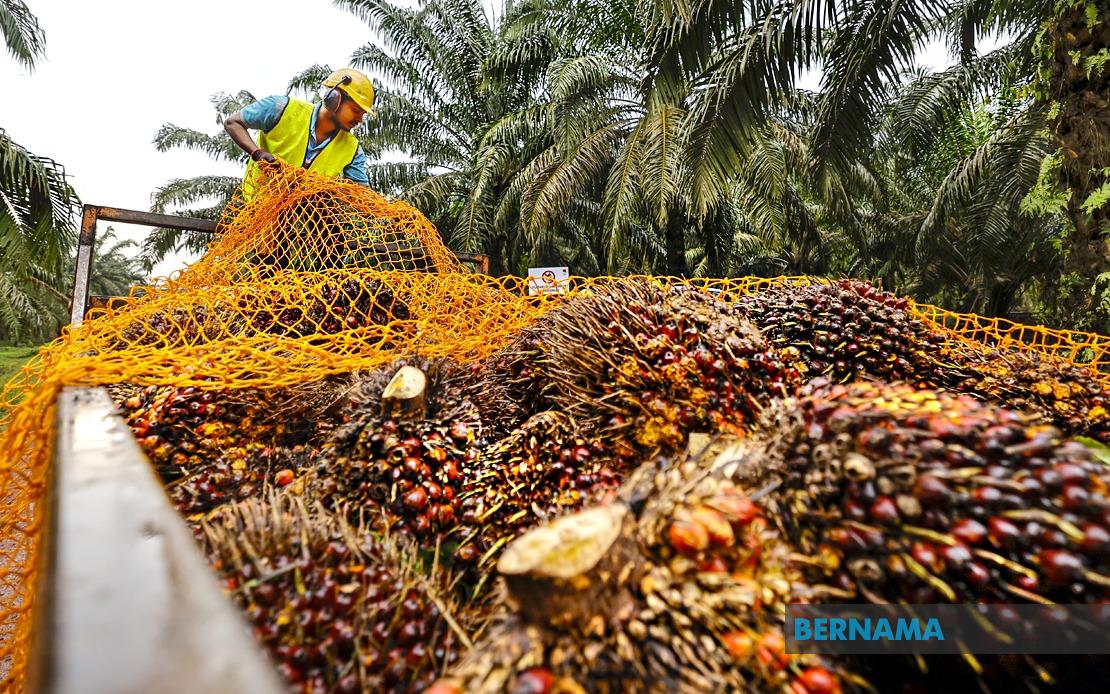
The Malaysian Palm Oil Board plans to establish a strategic research and development facility in Melaka that will serve as a catalyst for modernising the state's palm oil industry. Melaka Chief Minister Datuk Seri Ab Rauf Yusoh announced the project during a visit to Kampung Seri Mendapat, revealing that MPOB will invest between RM20 million and RM25 million to develop a 40.47-hectare site in Seri Mendapat, Sungai Rambai. The initiative is positioned as a flagship component of the 13th Malaysia Plan, reflecting the federal government's commitment to upgrading traditional commodity sectors across the country.
The proposed facility represents a significant departure from conventional palm oil operations by integrating research, training, and advisory services within a single hub. According to Ab Rauf, the research station will encompass a working model plantation alongside dedicated research and development facilities equipped with modern laboratories. The infrastructure will also provide accommodation for TUNAS advisory officers and enforcement personnel, establishing the necessary support systems for sustainable industry development. This comprehensive approach underscores a broader strategic shift toward knowledge-intensive agriculture in Melaka.
Transforming Sungai Rambai into a centre of excellence for the palm oil sector carries significant implications for the surrounding community, where nearly 45 per cent of residents depend on farming and smallholding activities. The research station is expected to generate direct employment opportunities while fostering skills development programmes tailored to local workers. Beyond immediate job creation, the facility should attract complementary investments and service providers, creating economic spillover effects that extend throughout the district. For a region historically dependent on commodity extraction, such a transformation represents an opportunity to establish more resilient, value-added economic foundations.
The initiative aligns with a strategic reframing of Melaka's agricultural sector from a simple income source into a modern, competitive engine of rural development. This shift acknowledges that commodity-dependent regions face persistent challenges in maintaining profitability as global markets fluctuate and production costs rise. By establishing research capabilities within the state, Melaka positions itself to develop locally-adapted solutions, improve yields through superior genetics, and support smallholders in transitioning toward higher-value production systems. The research station thus serves not merely as infrastructure but as a symbol of the state government's commitment to agricultural modernisation.
Accompanying the research station announcement, Ab Rauf detailed complementary investments aimed at removing logistical barriers that constrain smallholder productivity. A new 5-kilometre private farm road at Ladang Lembah Kesang, developed with RM400,000 in state funding, directly addresses operational challenges identified by local producers. While road infrastructure might appear peripheral to sectoral development, improved market access fundamentally affects farm viability by reducing transport costs and spoilage rates while enabling timely delivery of perishable products. The project is anticipated to benefit over 200 smallholders directly, demonstrating how targeted infrastructure investment can yield disproportionate returns in agricultural communities.
Smallholder support extends beyond physical infrastructure to include financing mechanisms designed to encourage agricultural renewal. The Malaysian Palm Oil Board has introduced the Smallholder Oil Palm Replanting Financing Incentive Scheme 2.0, offering eligible farmers up to RM14,000 per hectare to replace ageing palm trees with superior varieties. This programme addresses a critical constraint facing many smallholders: the substantial capital requirements needed to rejuvenate aging plantations. By deferring repayment until the fifth year, the scheme mitigates the upfront financial burden that typically prevents smallholders from undertaking necessary replanting cycles, thereby supporting sector-wide productivity improvements.
Beyond palm oil development, Ab Rauf outlined flood mitigation measures essential for protecting the agricultural and fishing communities of Sungai Rambai. Drainage improvements along a 300-metre outlet of Sungai Sebatu are already underway with existing allocations, addressing flooding that has disrupted local economic activities and infrastructure. The state has additionally petitioned the federal government for RM200,000 to upgrade aging watergate infrastructure at Jeti Sebatu, demonstrating recognition that climate resilience and agricultural development are inextricably linked. For rural communities increasingly vulnerable to extreme weather events, such investments in water management are as critical to sector viability as technological innovation.
The Sungai Rambai development package reflects a comprehensive approach to rural economic transformation that extends beyond a single sectoral intervention. Rather than concentrating investment on the research station alone, the state government has coordinated initiatives addressing land access, financing, infrastructure, and disaster resilience simultaneously. This integration acknowledges that agricultural productivity depends on multiple enabling factors working in concert. Smallholders require not only access to improved technology but also the market connectivity, financial resources, and risk management tools necessary to adopt such innovations successfully.
For Malaysia's broader palm oil industry, the Melaka research station represents strategic investment in domestic capacity at a time when sector sustainability faces scrutiny internationally. As global buyers increasingly demand transparency regarding production methods and environmental stewardship, research facilities capable of developing and validating improved practices become valuable assets. The station's focus on knowledge transfer and advisory services suggests an orientation toward supporting sector-wide adoption of enhanced techniques, potentially strengthening Malaysia's competitive position in premium market segments that reward sustainable and efficient production.
The timing of this announcement carries significance within Malaysian state politics, where agricultural investment frequently signals government commitment to rural constituencies. Melaka's strategic position as a smaller state with substantial agricultural heritage creates opportunities for showcasing integrated development models. Should the research station succeed in substantially improving smallholder productivity and profitability, it could serve as a replicable template for other states seeking to modernise traditional commodity sectors while retaining rural employment and livelihoods.

