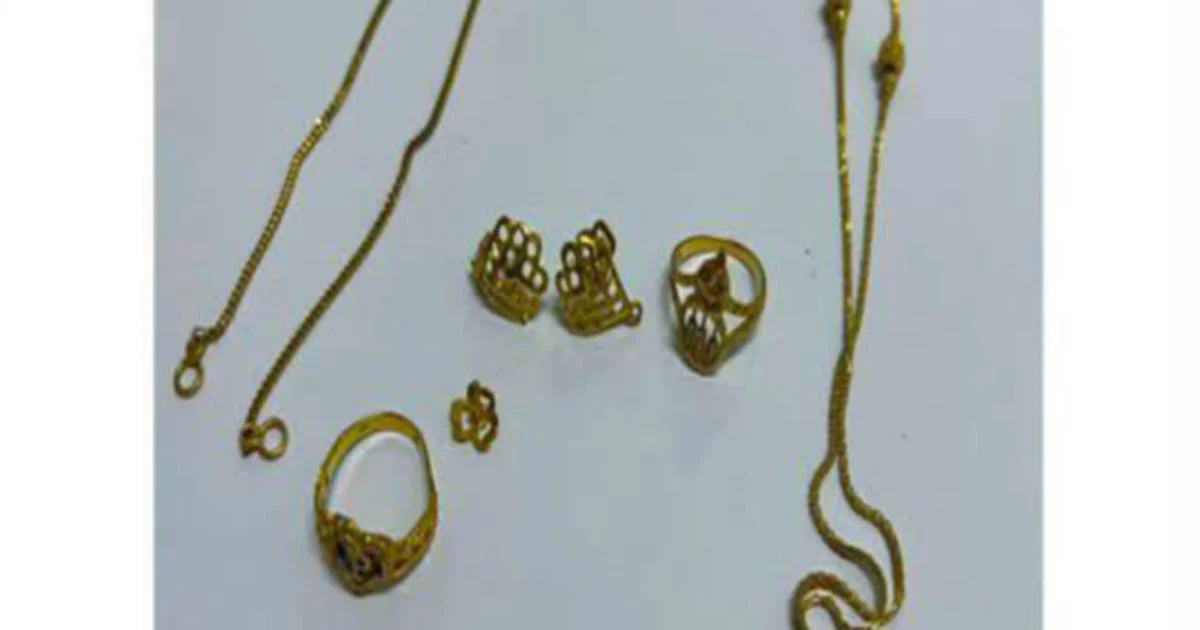
The Ipoh police have taken into custody a mother alongside her two children following allegations that the trio fraudulently posed as social welfare personnel to extract valuables from a 67-year-old victim in what authorities are treating as a coordinated deception scheme. The alleged theft specifically involved jewellery valued at approximately RM8,000, marking yet another incident in a troubling pattern of identity fraud targeting vulnerable seniors in the country.
Authority figures in Perak's capital have indicated that this case represents a calculated operation, with family members working in tandem to exploit the victim's trust in government institutions. The suspects leveraged the credibility typically associated with officials from recognised welfare agencies, enabling them to gain access to the victim's premises under false pretences. Such tactics have become increasingly common across Malaysia, where criminals deliberately impersonate government representatives to bypass natural skepticism among potential targets.
The strategy of using family connections to perpetrate fraud serves multiple purposes for organised crime networks. Firstly, it creates a veneer of legitimacy, as family units appearing together can seem less suspicious than lone actors approaching strangers. Secondly, it allows for division of labour within the criminal operation, with different family members assuming distinct roles—some handling the deception while others secure the valuables. This particular case demonstrates how such domestic criminal collaboration can be devastating for elderly individuals who may feel less inclined to question multiple family members working together.
Welfare impersonation scams have emerged as a particularly insidious threat to Malaysia's senior population. By posing as representatives of government assistance programmes, fraudsters create a false sense of official legitimacy that elderly citizens are conditioned to respect. The psychological vulnerability of older adults, combined with their often-limited exposure to modern scam tactics, makes them prime targets for such elaborate schemes. In many instances, victims experience profound trauma not merely from the financial loss but from the violation of trust placed in what they believed were legitimate government processes.
The RM8,000 value of jewellery stolen represents a sum that could prove significant for many pensioner households in Malaysia, potentially disrupting years of careful financial planning or depleting savings designated for essential needs. Beyond the immediate financial impact, victims of such fraud often experience delayed reporting to authorities due to embarrassment or reluctance to burden their families with knowledge of their victimisation. This reporting lag frequently allows perpetrators to strike multiple times before law enforcement intervention becomes possible.
Police investigations into these matters typically reveal that stolen jewellery is rapidly converted into cash through networks of dealers and pawn brokers operating on the fringe of the formal economy. The speed with which valuables are liquidated presents ongoing challenges for recovery efforts, even when arrests occur relatively quickly after reported offences. The involvement of family members in this case may actually facilitate such rapid distribution of stolen goods through trusted networks.
The Ipoh arrest serves as a reminder of the sophisticated nature of contemporary fraud operations targeting Malaysian seniors. Rather than relying on crude intimidation or direct burglary, modern criminals conduct extensive reconnaissance of potential targets, sometimes gathering personal information before executing planned deceptions. The family-based structure of this particular gang suggests a degree of coordination and planning that elevates it beyond opportunistic crime, indicating instead a deliberate criminal enterprise.
Community organisations throughout Malaysia have intensified public awareness campaigns warning elderly relatives and their families about verification procedures for legitimate government personnel. Official welfare officers carry identification credentials that can be verified through direct telephone contact with relevant agencies—a basic but effective safeguard that many seniors remain unaware of. Family members should encourage elderly relatives to implement strict verification protocols before allowing any official-seeming visitors access to their homes or financial information.
The role of family members in perpetrating such crimes also highlights domestic vulnerability factors that extend beyond stranger danger. Elderly individuals may feel particular reluctance to report crimes perpetrated by younger family members, fearing social stigma or disruption to family relationships. In this instance, police success in identifying and arresting all three suspects simultaneously suggests thorough investigative work that traced connections between family members and the victim's account of events.
Prosecution of such cases often proceeds swiftly once sufficient evidence of impersonation and fraud is established, as the combination of false representation of government status combined with obtaining property by deception typically constitutes multiple criminal offences. However, authorities note that such cases require victims to follow through with formal complaints and testimony, meaning some fraudsters evade conviction despite arrests when elderly witnesses become hesitant or unavailable during trial proceedings.
The broader implications for Malaysian society extend to questions about how government agencies can better protect their institutional credibility and how community networks can collectively support elderly citizens. Neighbourhood watch programmes, family education initiatives, and enhanced public-sector transparency regarding personnel verification all represent potential mitigation strategies. Until such systemic safeguards strengthen, elderly Malaysians remain susceptible to scams that exploit both the authority of government institutions and the vulnerability of advanced age.

