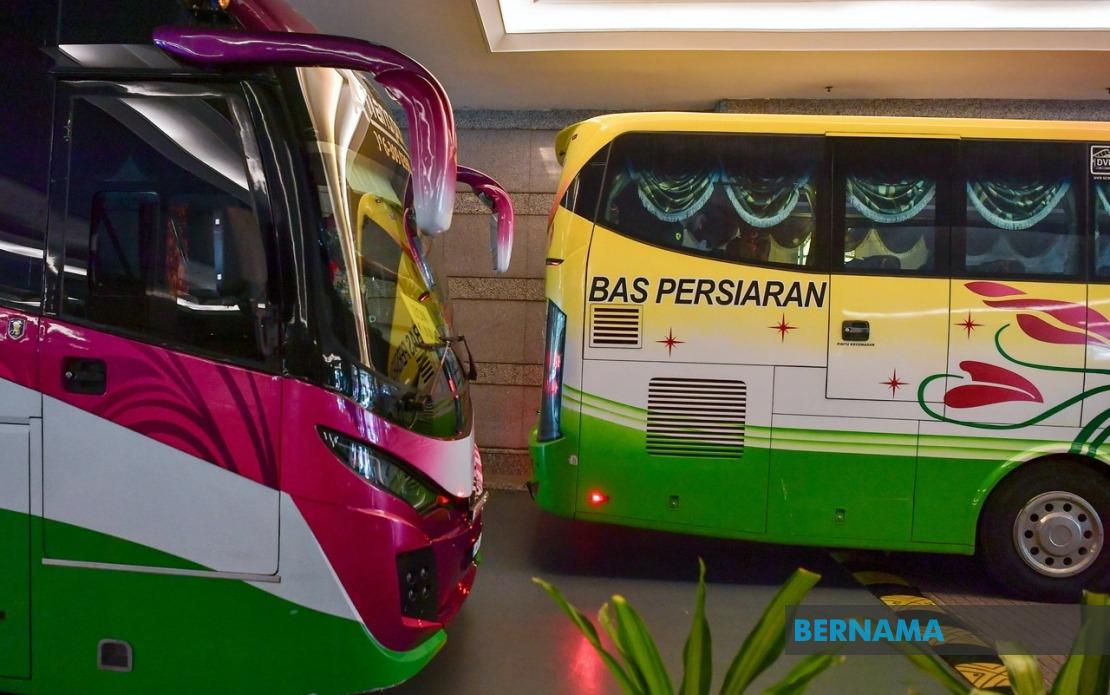
The Ministry of Tourism, Arts and Culture has issued an urgent call for tour bus operators and industry associations to furnish complete diesel usage documentation and supporting records without further delay. The ministry's appeal comes as the government seeks to evaluate potential financial relief measures for the transport sector, which has been squeezed by elevated fuel costs. MOTAC stressed that accumulating this data is essential for crafting assistance programmes that genuinely reflect industry needs rather than relying on assumptions that could prove ineffective or inequitable.
Despite earlier engagement with nine tourism associations that raised concerns about diesel price pressures on their operations, MOTAC has noted a disappointing delay in receiving the concrete information necessary to move forward with relief assessments. The ministry's statement underscores a fundamental challenge facing policymakers: designing targeted support requires granular understanding of how cost increases have actually rippled through individual operators' finances. Without comparative fuel expenditure figures before and after major regional geopolitical events affecting energy markets, government officials cannot make evidence-based decisions about which operators need help most urgently or which measures would deliver the greatest benefit.
The Ministry of Finance has indicated preliminary willingness to consider assistance proposals, but this openness is conditional on receiving reliable data that substantiates claims of hardship. This position reflects sound fiscal discipline: government support schemes must rest on documented need rather than anecdotal accounts of difficulty. The gap between MOTAC's requests and operators' submissions suggests either administrative friction in the data collection process or reluctance from some quarters to disclose detailed operational information. Either explanation points to underlying coordination challenges within Malaysia's tourism ecosystem.
The tourism sector represents a significant contributor to Malaysia's economy and employment, making the health of coach operators a matter extending beyond merely commercial interests. Tour bus services form critical infrastructure for the country's expanding domestic and inbound tourism markets, particularly as travel patterns recover following the pandemic. When fuel costs surge unexpectedly, smaller operators with limited financial buffers face genuine viability threats, potentially leading to service reductions or price increases that could discourage travel and tourism activity during periods when Malaysia is actively promoting the sector internationally.
The regional context adds urgency to this situation. Across Southeast Asia, tourism operators in Thailand, Indonesia, and Vietnam have similarly petitioned their governments for relief following fuel price volatility. How Malaysia responds could influence regional competitiveness in attracting international visitors, particularly budget-conscious tourists who remain price-sensitive. If Malaysian operators cannot absorb fuel costs without passing them to consumers, or if some operators simply exit the market due to unsustainable margins, the country risks losing market share to competitors offering more stable pricing and reliable service networks.
MOTAC's emphasis on comprehensive assessment reflects a nuanced understanding that poorly designed relief can create perverse incentives or benefit undeserving recipients. Blanket fuel subsidies, for instance, might prop up inefficient operators while failing to help those genuinely struggling. Targeted tax incentives, conversely, require precise identification of which segments within the coach transport industry face the greatest pressure. This differentiation matters because the industry encompasses large companies with multiple vehicles and pricing power alongside smaller operators running handful of coaches on thin margins. A one-size-fits-all approach would inevitably disappoint at least some stakeholders.
The diesel price hike referenced in MOTAC's statement traces partly to broader Middle East geopolitical developments that have influenced global energy markets. Malaysia's exposure to fluctuating crude prices creates ongoing vulnerability for energy-dependent sectors like transport. Unlike countries with significant domestic oil production capacity, Malaysia cannot fully insulate its economy from international price shocks, making it essential to develop flexible response mechanisms that can activate when commodity prices spike unexpectedly. The current situation offers policymakers an opportunity to design relief frameworks that can be swiftly deployed in future crises.
MOTAC has flagged that any assistance programme must account for Malaysia's overall fiscal position and macroeconomic stability. This language suggests sensitivity to competing budget demands and potential constraints on available resources. The government balances relief for affected industries against other priorities including healthcare, education, and infrastructure, making it crucial that tourism sector support be demonstrably cost-effective and not crowd out other essential spending. This creates pressure to design narrowly targeted measures rather than broad-based support that spreads limited resources too thinly.
The ministry's staged implementation approach indicates recognition that relief measures may unfold gradually rather than arriving as a single comprehensive package. This sequencing could involve immediate expedited tax treatment for severely affected operators, followed by longer-term structural adjustments to how the sector adapts to volatile energy costs. Operators might receive breathing room during acute price spikes while being encouraged to develop medium-term resilience through fleet efficiency improvements or route optimisation. Such a graduated approach requires ongoing dialogue between government and industry, making timely data submission essential for keeping momentum toward solutions.
Looking forward, this episode highlights broader questions about information asymmetries between government and industry sectors. Malaysian policymakers often struggle to obtain reliable operational data from businesses reluctant to disclose financial details, creating analytical blind spots when designing interventions. Establishing formal mechanisms for regular data sharing between industry associations and relevant ministries could streamline future relief assessments and reduce delays when crises occur. Such infrastructure would enable faster, more calibrated policy responses while reducing the friction evident in the current diesel assistance discussions.
Tourism operators considering submission of diesel usage records face natural concerns about how disclosed information might be used. Tax authorities might scrutinise fuel consumption patterns relative to reported revenues, creating disincentives for transparency. MOTAC would benefit from explicitly guaranteeing that fuel data provided for relief assessment purposes cannot be repurposed for enforcement actions, thereby encouraging operators to submit complete and accurate information. Building such trust between government and industry remains essential for implementing effective sectoral policies that respond to genuine economic pressures.

