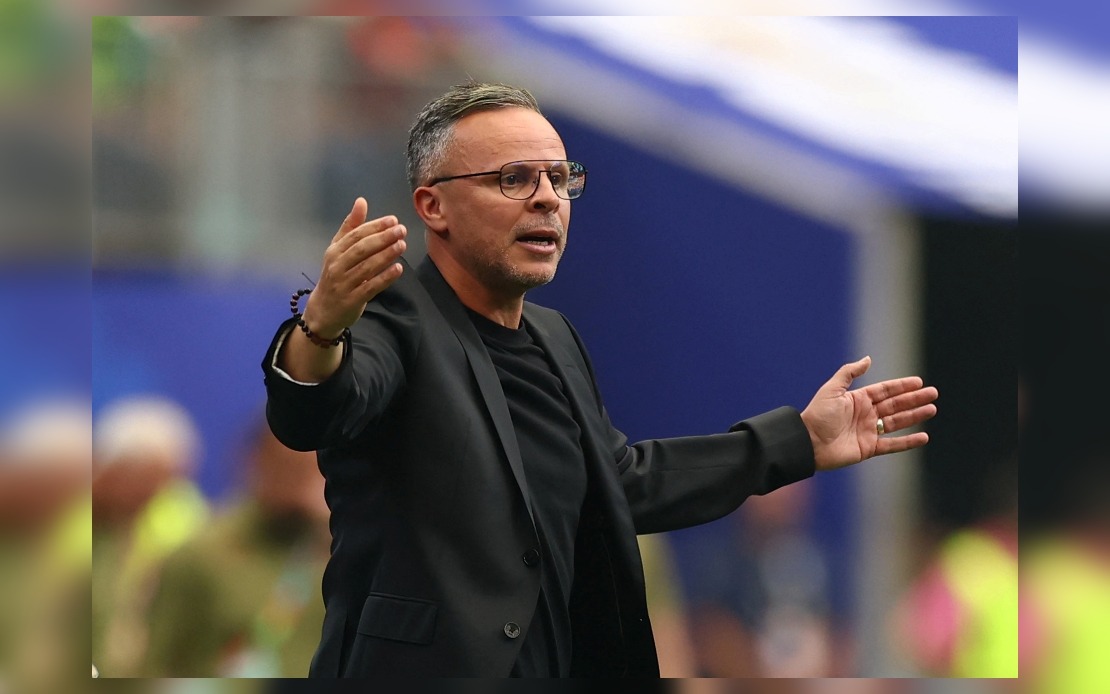
Morocco has transcended its status as a dark horse to become a legitimate major power in global football, according to head coach Mohamed Ouahbi, whose team delivered a convincing 3-0 triumph over Canada on Saturday to advance to the World Cup quarterfinals. Speaking at a post-match press conference, Ouahbi emphasised that the North African nation's steady rise on the international stage now commands respect as a genuine contender rather than an upstart capable of occasional surprises. The emphatic scoreline in Houston underscored Morocco's progression from an emerging force to an established heavyweight in tournament football.
The transformation represents a significant milestone for Moroccan football, which has built momentum through sustained performances at consecutive World Cups. Ouahbi's squad has moved beyond the narrative of unexpected success to occupy the conversation as serious competitors among the tournament's elite. This shift in perception carries profound implications for African football more broadly, signalling that continental teams can establish themselves as consistent challengers rather than occasional curiosities. For Malaysian and Southeast Asian observers, Morocco's trajectory offers lessons in how strategic investment, tactical discipline, and cultural commitment to football development can elevate a national programme to compete with traditional powerhouses.
The second-half performance proved decisive in Morocco's routing of the Canadian side, with Azzedine Ounahi demonstrating clinical finishing by converting twice, while Soufiane Rahimi added a third goal late in the encounter to put the result beyond doubt. Canada's aggressive approach during the opening 45 minutes had troubled Morocco's backline, creating space through direct attacking play and capitalising on momentary lapses in concentration. The visiting team employed tactical intensity and pace to generate scoring opportunities, suggesting they possessed the tactical framework to trouble Morocco. However, Ouahbi's halftime adjustments fundamentally shifted the match's complexion.
The coach credited tactical modifications for turning the contest in Morocco's favour during the second half. Despite Canada maintaining their physical intensity and commitment to pressing, Morocco's adjustments improved their control of possession and spatial management. By positioning players to launch passes behind Canada's defensive line, Morocco forced their opponents into reactive defending, compelling the Canadian backline to face their own goal rather than pushing forward aggressively. This simple yet effective tactical shift exemplified the kind of in-game management that separates established sides from developing ones, a factor increasingly recognised across Southeast Asian football circles as coaches seek to develop similar capabilities.
Ouahbi's assessment of the challenge presented by Canada suggests he anticipated a far closer encounter than the scoreline indicates. In the Round of 16, where margins between teams often narrow considerably, 3-0 victories remain statistically uncommon. The coach's pre-match expectations proved accurate, reflecting his understanding of Canada's capabilities and the competitive nature of knockout football. This perspective underscores the significance of Morocco's performance—they faced a legitimate threat and responded with a dominant display, confirming their capacity to manage pressure and execute under challenging circumstances.
The victory secures Morocco's second consecutive quarterfinal appearance at consecutive World Cups, a remarkable achievement for any nation but particularly notable for an African representative. Morocco's breakthrough in 2022 as the first African team to reach the semifinals represented a watershed moment for continental football, challenging traditional hierarchies. Maintaining this trajectory into a second successive deep run consolidates that progress and suggests Morocco has established sustainable competitive foundations rather than achieving a temporary peak. This consistency matters significantly for how other developing football nations, including several in Southeast Asia, evaluate their own competitive trajectories.
Morocco's next opponent, France, presents a formidable challenge after their 1-0 victory over Paraguay at Boston Stadium. The defending World Cup champions represent perhaps the most daunting possible opponent for any knockout-stage team, combining tactical flexibility, individual brilliance, and tournament experience. Yet Ouahbi's confident demeanour suggests Morocco approaches this encounter without fear or resignation. His stated ambitions extend beyond simply reaching the quarterfinals—the Moroccan contingent explicitly targets the final, indicating genuine belief in their capacity to overcome elite opposition.
The coach's emphasis on maintaining momentum and confidence rather than seeking revenge against France reveals a mentally mature approach to tournament football. Ouahbi frames the semifinal clash as an opportunity to advance their campaign rather than an occasion to settle scores or prove a point against any particular opponent. This mindset typically characterises teams confident in their abilities and clear about their objectives. For Moroccan supporters and the broader nation, this represents more than football—it symbolises national pride and continental representation at the highest level of sporting competition.
Morocco's performance trajectory suggests their run to deep tournament stages results from systematic development rather than fortune or circumstance. The defensive discipline displayed against Canada, combined with attacking prowess and tactical adaptability, indicates a well-constructed team. Under Ouahbi's stewardship, Morocco has avoided the volatility that sometimes undermines teams in knockout competitions. Instead, they have demonstrated the steady improvement and resilience associated with genuinely competitive nations. For regional observers in Southeast Asia watching the tournament, Morocco's progression offers evidence that with strategic planning and cultural investment, emerging football nations can indeed establish themselves among world football's elite.
The implications of Morocco's sustained success extend beyond sporting achievement. A major World Cup run from an African nation commands global attention and inspires young players throughout the continent. Morocco's quarterfinal engagement with France will command viewership throughout Africa, the Middle East, and increasingly across Asia, where interest in African football continues growing. Malaysian football enthusiasts, following their own national team's development challenges, may observe Morocco's systematic approach with interest, particularly regarding how coaching stability and tactical coherence contribute to competitive advancement at international level.

