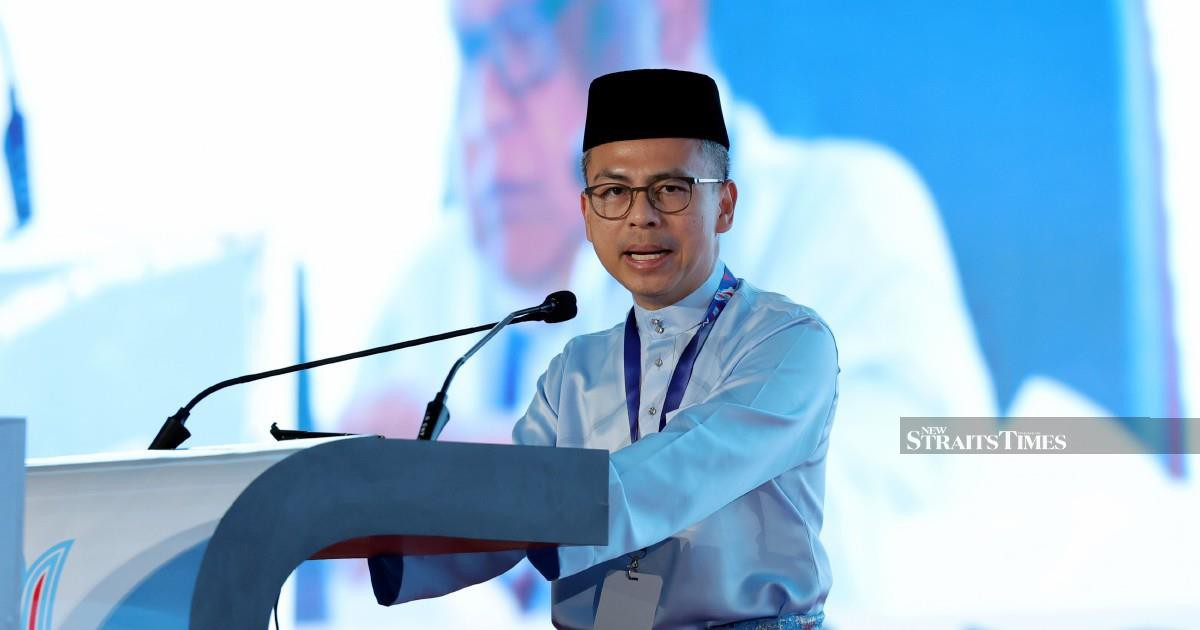
Prime Minister Datuk Seri Anwar Ibrahim is expected to unveil a series of significant announcements in the immediate future, according to PKR information chief Datuk Seri Fahmi Fadzil, who indicated that these disclosures could come as early as the following day from his statement in Ayer Keroh. While Fahmi did not specify the exact nature of these forthcoming revelations, the timing suggests the government is preparing the public for developments that may involve ministerial positions, administrative changes, or major policy initiatives.
Fahmi's remarks represent a carefully calibrated signal from the Prime Minister's office about the shape of government decisions to come. In the Malaysian political context, such advance notice from high-ranking party officials typically precedes announcements involving the cabinet structure, deputy minister appointments, or significant shifts in portfolio responsibilities. The measured language used by Fahmi—suggesting multiple announcements rather than a single declaration—points toward a comprehensive restructuring effort rather than routine administrative adjustments.
The PKR information chief's statement reflects the ongoing evolution of Malaysia's political landscape since Anwar Ibrahim's elevation to the premiership. The government has consistently sought to balance competing demands from coalition partners, address performance concerns within existing ministries, and respond to economic and social priorities that have emerged since the previous major cabinet reorganisation. By signalling imminent announcements, the administration appears to be demonstrating its responsiveness to emerging challenges and its commitment to optimising government effectiveness.
For ordinary Malaysians and the business community, advance notice of government announcements allows time for stakeholders to prepare for potential policy changes. Different sectors may be affected differently depending on which portfolios are reshuffled and which individuals assume new responsibilities. The financial markets, in particular, often respond to clarity regarding who will oversee economic policy, investment frameworks, and regulatory environments, making such announcements material events worthy of investor attention.
The coalition government under Anwar's leadership has navigated a complex political terrain since taking office, managing relationships between PKR, DAP, Amanah, and other partners in Pakatan Harapan, alongside the cooperation agreements reached with Barisan Nasional component parties and independent members. Cabinet announcements frequently reflect delicate negotiations about ministerial representation, ensuring that coalition contributions are acknowledged and that parties feel their interests are protected within the government structure.
Fahmi's role as information chief places him at the intersection of party strategy and public communication. His statements carry weight precisely because they emanate from someone positioned to understand the Prime Minister's intentions and timeline. By offering this preview, PKR signals that major government decisions are imminent and that Anwar's administration remains actively managing its personnel and policy portfolios rather than operating on autopilot.
The Malaysian public and the media have become accustomed to a certain rhythm of government announcements, with significant structural changes typically communicated through deliberate, staged revelations rather than surprise disclosures. This approach allows the government to control the narrative, manage market reactions, and ensure that each announcement receives appropriate media attention and public understanding. Fahmi's hint that multiple announcements are coming within days suggests that the administration is bunching these communications strategically.
In the broader context of Southeast Asian governance, Malaysian governments have long recognised that transparency about leadership changes and policy direction contributes to political stability and investor confidence. Regional economies depend significantly on the perceived predictability and coherence of government decision-making. By telegraphing forthcoming announcements, Anwar's administration is demonstrating institutional maturity and respect for stakeholders who depend on such information to make their own plans.
The timing of these announcements may also reflect a desire to address any perceptions of drift or indecision within the government. Regular cabinet reviews and announcements of administrative changes can reinforce public confidence that the leadership remains engaged with performance management and remains committed to optimising government operations. For an administration conscious of its approval ratings and political capital, demonstrating active management of the government apparatus carries its own political value.
Regional observers and international partners also monitor such announcements closely, as they often signal where Malaysia's government intends to focus its attention and resources. Ministerial appointments and portfolio assignments reflect governmental priorities regarding economic development, infrastructure, social welfare, and foreign relations. The composition of the cabinet sends messages about the administration's ideological direction and its commitment to particular constituencies or policy agendas.
As Southeast Asian nations continue to compete for investment and technological advancement, the stability and perceived competence of government structures matter significantly. Malaysian investors, both domestic and foreign, factor political stability and administrative clarity into their decision-making. Clear communication about government transitions and cabinet changes, through measured statements like Fahmi's, contributes to the broader ecosystem of institutional trust that allows economies to function effectively.

