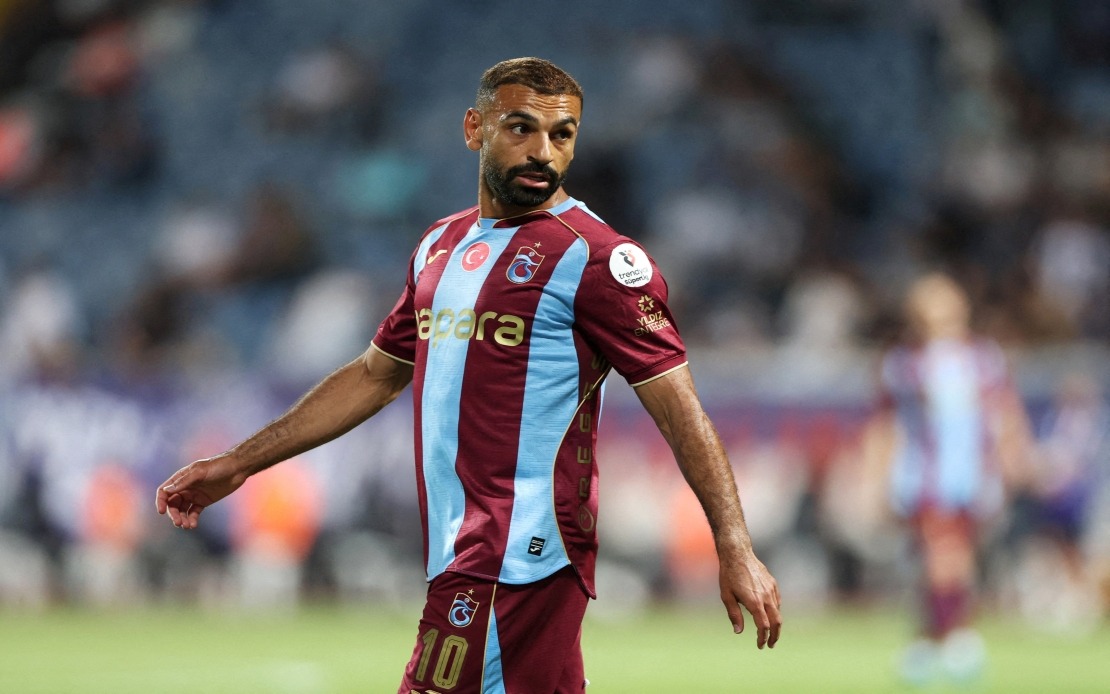
Mohamed Salah's recent transfer to Turkish Super Lig side Trabzonspor has catalysed an unexpected commercial phenomenon across Cairo's legendary Khan el-Khalili bazaar. Within just a fortnight of the Egyptian winger joining the claret-and-blue outfit, retailers throughout the historic market have begun stocking his Trabzonspor No. 10 jersey prominently in their shop windows, positioning it alongside his Egypt national team shirt to capture the enthusiasm of fans navigating the centuries-old marketplace.
The commercial response reflects the extraordinary cultural resonance Salah commands across the Arab world and beyond. Shopkeepers report brisk sales of the Trabzonspor jersey at prices ranging from 400 to 500 Egyptian pounds—roughly US$8 to US$10—suggesting that supporters are willing to invest quickly in merchandise commemorating his latest career chapter. The prominence of these sales points to a deeper phenomenon than mere commercial opportunism; it demonstrates how individual athletes can drive economic activity and consumer behaviour across entire commercial districts when they possess sufficient cultural cachet.
The enthusiasm extends well beyond the confines of the bazaar itself. Egyptian and Arab football audiences have circulated footage of Salah's reception upon arriving in Turkey, with social media filled with expressions of national pride at his movement to one of Europe's historically significant football leagues. This digital amplification has transformed what might otherwise have been a routine transfer into a celebrated moment of cultural exchange, with supporters viewing his relocation not as a departure but as an ambassadorial venture.
Khan el-Khalili, one of Cairo's most celebrated tourist destinations, has itself become a focal point for this commercial surge. The bazaar's recent prominence on the international stage—following a high-profile visit by Egyptian President Abdel Fattah el-Sisi and French President Emmanuel Macron—has positioned it as a venue where commercial activity and national symbolism intersect meaningfully. Salah Abdulmecid, a long-established shopkeeper operating within the bazaar, characterised the footballer's transfer in terms that transcend sporting analysis. Speaking to media outlets, Abdulmecid expressed satisfaction with Salah's movement to Turkey, emphasising perceived cultural and religious affinities between the Egyptian and Turkish peoples that render the transfer symbolically appropriate alongside its sporting implications.
The supporters themselves articulate a similar sentiment. One enthusiast captured on video expressing his sentiments whilst donning the Trabzonspor jersey outside a retail establishment exemplified the emotional investment followers place in Salah's career trajectory. His invocation of divine blessing for Salah's success in Turkey reflects a spiritual dimension to fan engagement that transcends conventional sporting fandom, positioning the athlete within a framework of collective aspirational thinking.
Egyptian sociologist Said Sadik has interpreted these commercial and cultural manifestations as evidence of Salah functioning as a "soft power" asset facilitating people-to-people connections between Egypt and Turkey. This characterisation gains weight when examined against the diplomatic context surrounding Salah's transfer. During Turkish Foreign Minister Hakan Fidan's visit to Egypt on August 14, discussions between Fidan and his Egyptian counterpart Badr Abdelatty reportedly included references to Salah, suggesting that the footballer's movements occupy space in official diplomatic conversations alongside conventional foreign policy matters.
Sadik's analysis positions Salah within a broader framework of cultural diplomacy and bilateral relations. The sociologist emphasises that Salah commands attention across demographic segments that might not typically follow football regularly, a phenomenon that distinguishes him from conventional athletes. This cross-demographic appeal renders him particularly valuable as a cultural figure capable of generating enthusiasm spanning traditional and non-traditional sporting audiences. The immediate commercial response across Khan el-Khalili's retail sector validates this assessment, demonstrating that Salah's brand appeal extends to merchants and consumers operating within one of Cairo's most historically significant commercial spaces.
The sociologist further suggests that Turkey's enthusiastic reception of Salah upon his arrival constitutes an important signal regarding the trajectory of Turkish-Egyptian relations at the popular level. Rather than treating Salah's transfer as a purely sporting matter, Sadik interprets the warmth with which Turkish supporters and media embraced his arrival as indicative of strengthening interpersonal and cultural connections between the two societies. This reading suggests that sporting transfers can function as proxies through which broader patterns of diplomatic warming and cultural rapprochement become visible and materially expressed.
For Malaysian and broader Southeast Asian readers, Salah's experience illuminates how individual athletes operating at the apex of global sporting hierarchies transcend athletic competition to become instruments of soft power and cultural exchange. The commercial surge across Khan el-Khalili demonstrates that athlete endorsements and fan enthusiasm translate directly into economic activity within local communities. Southeast Asian nations with high-profile footballers operating in European leagues might anticipate similar commercial phenomena emerging around athlete merchandise and related retail activity, particularly within cultural and commercial hubs analogous to Khan el-Khalili.
The Salah case study also underscores how football functions as a language through which nations and communities communicate with one another beyond official diplomatic channels. The inclusion of Salah in conversations between Turkish and Egyptian foreign ministers signals recognition among political elites that athletes and cultural figures constitute legitimate elements within bilateral relationship frameworks. For policymakers across Southeast Asia, this dynamic suggests that sporting excellence represents a strategic national asset extending far beyond the pitch itself, influencing diplomatic relationships, tourism patterns, and commercial activity within destination economies.
The longer-term implications remain uncertain, contingent upon Salah's performances for Trabzonspor and the trajectory of Turkish-Egyptian relations more broadly. However, the initial commercial response across Cairo's historic marketplace demonstrates that Salah's transfer has already generated tangible economic and cultural effects extending well beyond formal sporting structures. Whether this momentum sustains itself will depend on both Salah's on-field success and the political will of Egyptian and Turkish leadership to deepen bilateral engagement in ways that extend beyond symbolic gestures to encompass substantive diplomatic cooperation and people-to-people exchange programmes.

