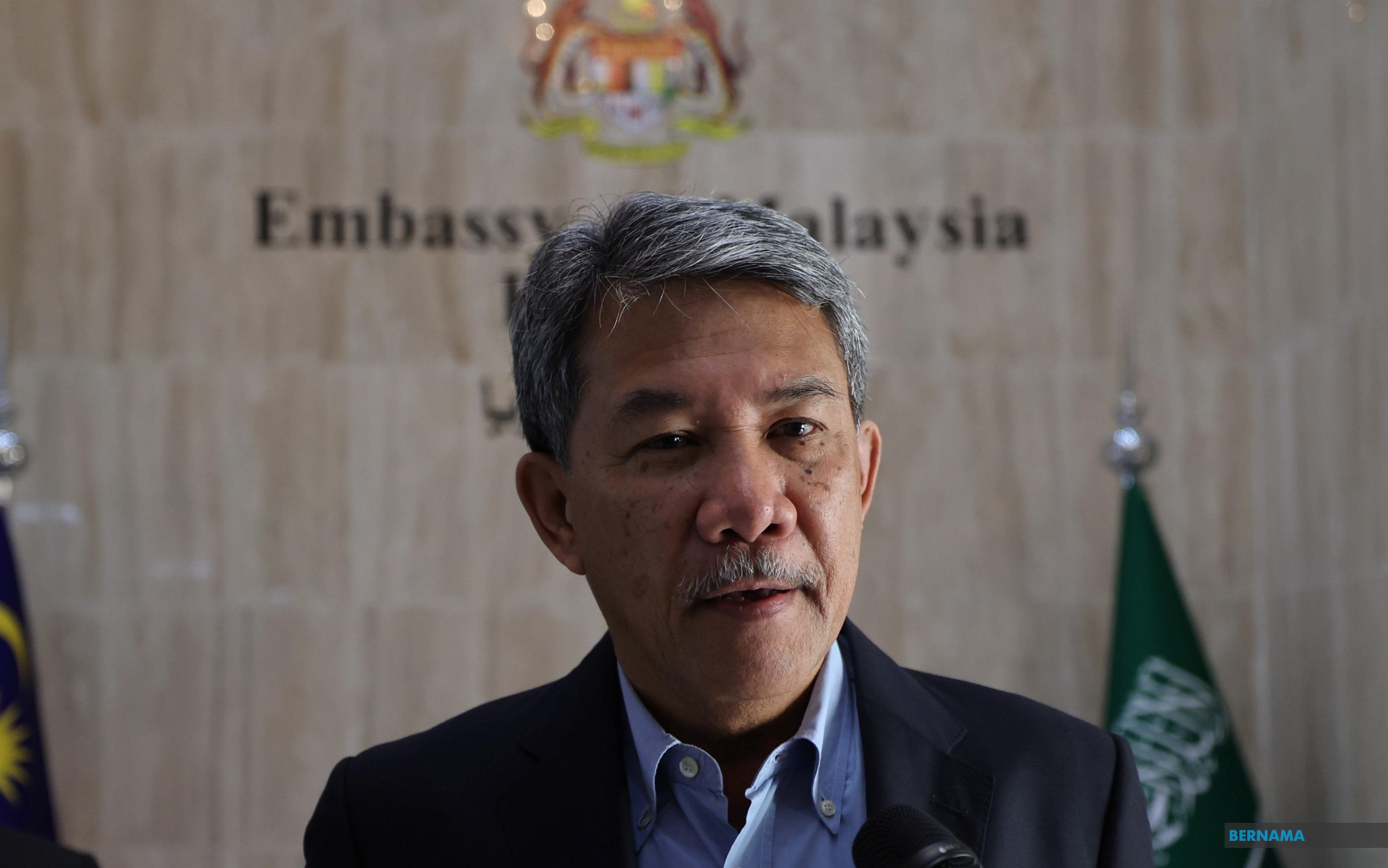
Foreign Minister Datuk Seri Mohamad Hasan is undertaking a three-day working visit to Brunei, arriving today and departing on August 22, as part of Malaysia's ongoing commitment to strengthening diplomatic ties with its closest neighbour. The visit centres on two significant bilateral engagements that will shape the trajectory of Malaysia-Brunei relations over the coming months, reflecting the importance both nations place on maintaining robust institutional channels for dialogue.
The cornerstone of Mohamad Hasan's itinerary is the 27th Malaysia-Brunei Exchange of Letters Implementation Meeting, scheduled for August 21, which he will co-chair alongside Brunei's Second Minister of Foreign Affairs, Datuk Seri Setia Erywan Mohd Yusof. This mechanism, established through diplomatic protocols, serves as a crucial forum for bilateral problem-solving and identifying emerging areas where the two countries can deepen cooperation. The meeting will assess progress made on previous commitments and chart new directions for mutual benefit, demonstrating how regular high-level engagement sustains diplomatic momentum.
The following day brings the 27th Malaysia-Brunei Annual Leaders' Consultation, a higher-level political engagement that underscores the strategic importance of the bilateral relationship. These annual consultations have become institutionalised expressions of the two nations' commitment to regular, structured dialogue at the leadership level, providing opportunity to address issues that require political will and vision to resolve. The timing of these consecutive meetings illustrates how Malaysia and Brunei have developed sophisticated diplomatic machinery to manage their partnership effectively.
Among the substantive matters expected to feature prominently are the longstanding questions of land and maritime boundaries. These perennial issues, which touch on sovereignty and resource rights, require the sustained attention and careful diplomacy that these bilateral forums provide. By maintaining dedicated discussion channels, both countries demonstrate their preference for negotiated solutions over contentious dispute mechanisms, a hallmark of ASEAN's approach to regional relations. Progress on these matters, however incremental, carries implications beyond the bilateral sphere, as boundary settlements influence regional stability and maritime governance in Southeast Asia.
Economic cooperation will also command significant attention during the meetings, particularly as both nations seek to enhance trade and investment flows. The bilateral trade figures reveal a dynamic commercial relationship, though with notable fluctuations. In 2025, total trade between Malaysia and Brunei reached RM5.86 billion, equivalent to USD 1.37 billion, representing the annual snapshot of their economic interdependence. When examining the first half of 2026, trade recorded RM2.38 billion or USD 0.6 billion, indicating the natural rhythm of commercial cycles and providing baseline data from which both ministers can identify growth opportunities and remove barriers to increased commerce.
The significance of this visit extends beyond bilateral considerations. Malaysia and Brunei, as fellow ASEAN members, maintain relations that serve as models for regional cooperation. The mechanisms they have developed for managing differences and pursuing common interests offer lessons applicable across the association. By demonstrating consistent commitment to dialogue and structured engagement, both nations reinforce the norms and practices that underpin ASEAN's consensus-based approach to collective action and problem-solving.
For Malaysia specifically, the Brunei relationship occupies a unique position in the country's foreign policy architecture. Brunei's strategic location on Borneo, its energy resources, and its role as a stable, developed economy within ASEAN make it a natural partner for Malaysian initiatives across multiple domains. The visit affords opportunity to discuss not only bilateral matters but also collective ASEAN priorities and approaches to emerging regional and global challenges.
The timing of Mohamad Hasan's visit also reflects the rhythm of Malaysia's diplomatic calendar. As Foreign Minister, his schedule is calibrated to advance priority relationships and demonstrate responsiveness to regional partners. By undertaking this working visit in mid-year, Malaysia signals continued attention to deepening institutional cooperation and ensuring that agreements reached at previous leaders' consultations are translating into tangible benefits for both nations' citizens and economies.
The format of these meetings—combining ministerial-level implementation discussions with higher-order political consultations—illustrates how modern bilateral relations operate through layered engagement. Technical officials work on details of cooperation frameworks while senior leaders maintain strategic oversight and inject political momentum when required. This complementary approach maximises the likelihood that cooperation advances on multiple fronts simultaneously.
Looking forward, the outcomes of these meetings will shape Malaysia-Brunei relations through the remainder of 2026 and establish parameters for ongoing engagement. Whether discussions yield breakthroughs on boundary matters or accelerated economic cooperation, the very act of sustained, structured dialogue reinforces the bilateral relationship's resilience and forward momentum. For Malaysian policymakers and businesses, the visit represents an opportunity to align priorities with a key regional partner and explore mechanisms for deeper integration across multiple sectors.

