Foreign Minister Datuk Seri Mohamad Hasan will represent Malaysia at an extraordinary gathering of the Organisation of Islamic Cooperation's Council of Foreign Ministers in Jeddah, where member states are expected to address the evolving situation concerning Palestine. The one-day session represents a significant opportunity for Islamic nations to align their diplomatic strategies and present a unified response to recent developments in the region.
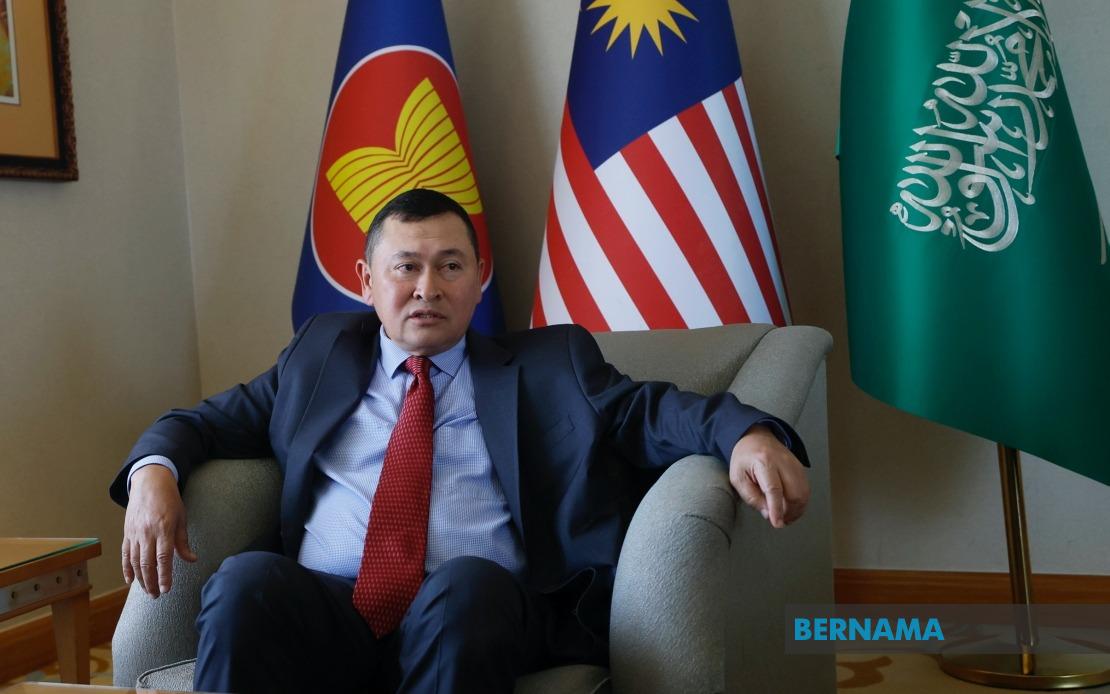
According to Malaysian Ambassador to Saudi Arabia Datuk Syed Bakri Syed Abdul Rahman, who also serves as Malaysia's Permanent Representative to the OIC, this meeting builds upon previous discussions focused on forging consensus among member states regarding the Palestinian question. The gathering underscores the OIC's ongoing commitment to addressing what member nations consider one of the most pressing geopolitical challenges facing the Islamic world.
During the session, Mohamad will present Malaysia's National Statement, reiterating the country's consistent and unwavering commitment to the legitimate aspirations of the Palestinian people and their fundamental right to establish an independent, sovereign state with borders recognised before 1967. This articulation reflects Malaysia's longstanding diplomatic position and its role as a vocal advocate for Palestinian self-determination within international forums.
The Foreign Minister's contribution will specifically address Israel's military operations, the humanitarian crisis afflicting Gaza, the situation in the West Bank, and the expansion of Jewish settlements that Malaysia and other nations consider illegal under international law. By raising these interconnected issues, Mohamad will emphasise how security concerns, civilian suffering, and territorial disputes are inextricably linked in the broader Palestinian context.
Syed Bakri stressed that Malaysia's participation carries particular significance in communicating the nation's firm stance against what it characterises as Israeli aggression and violations in Palestinian territories. By attending and contributing substantively, Malaysia reinforces its diplomatic position while also demonstrating solidarity with other OIC members who share similar perspectives on the conflict.
Beyond statements of principle, Malaysia has positioned itself as a nation genuinely committed to alleviating Palestinian suffering through concrete humanitarian action. Syed Bakri emphasised Malaysia's ongoing efforts to ensure that assistance reaches Palestinians affected by the conflict, reflecting the country's belief that diplomatic engagement must be accompanied by tangible support for affected civilian populations.
The extraordinary meeting will also provide a platform for OIC member states to coordinate joint actions and discuss collective responses to developments in the region. This coordination mechanism is essential for smaller nations like Malaysia, which can amplify their individual positions through collective OIC frameworks and resolutions. The gathering reflects a recognition that fragmented responses undermine the Islamic world's influence on this critical issue.
Among the expected outcomes is the adoption of a resolution specifically addressing the question of Palestine and Al-Quds Al-Sharif, which will condemn Israeli actions against Palestinians and call for coordinated action by member states. Such resolutions, while sometimes dismissed as symbolic by critics, serve important functions in documenting international opposition and establishing records of member state positions for future legal or diplomatic proceedings.
The meeting's agenda extends beyond Palestine, with the election of a new OIC secretary-general also scheduled for discussion. This administrative matter carries strategic importance, as the secretary-general's position influences how the organisation articulates its positions and represents member states' interests in global forums.
On the margins of the formal session, Mohamad is anticipated to engage in bilateral discussions with counterparts from various nations. These conversations will focus on strengthening mutual cooperation across multiple domains, including business, trade, and investment. Such engagement demonstrates how Malaysia balances its principled stance on Palestinian issues with pragmatic diplomacy aimed at advancing national economic interests and broadening regional partnerships.
For Malaysia, participation in OIC forums reflects its self-conception as a Muslim-majority nation with responsibilities toward the broader Islamic community, while simultaneously maintaining its identity as a Southeast Asian state concerned with regional stability and prosperity. This dual orientation shapes Malaysian foreign policy, requiring navigation of global ideological currents while protecting national interests in a complex geopolitical landscape.
The OIC meeting also signals Malaysia's commitment to multilateral engagement on contentious issues rather than isolationist approaches. Despite domestic political challenges and competing priorities, Malaysian leadership consistently allocates diplomatic resources to Palestinian advocacy, suggesting that this issue transcends partisan divisions and reflects broader societal consensus on the matter.

