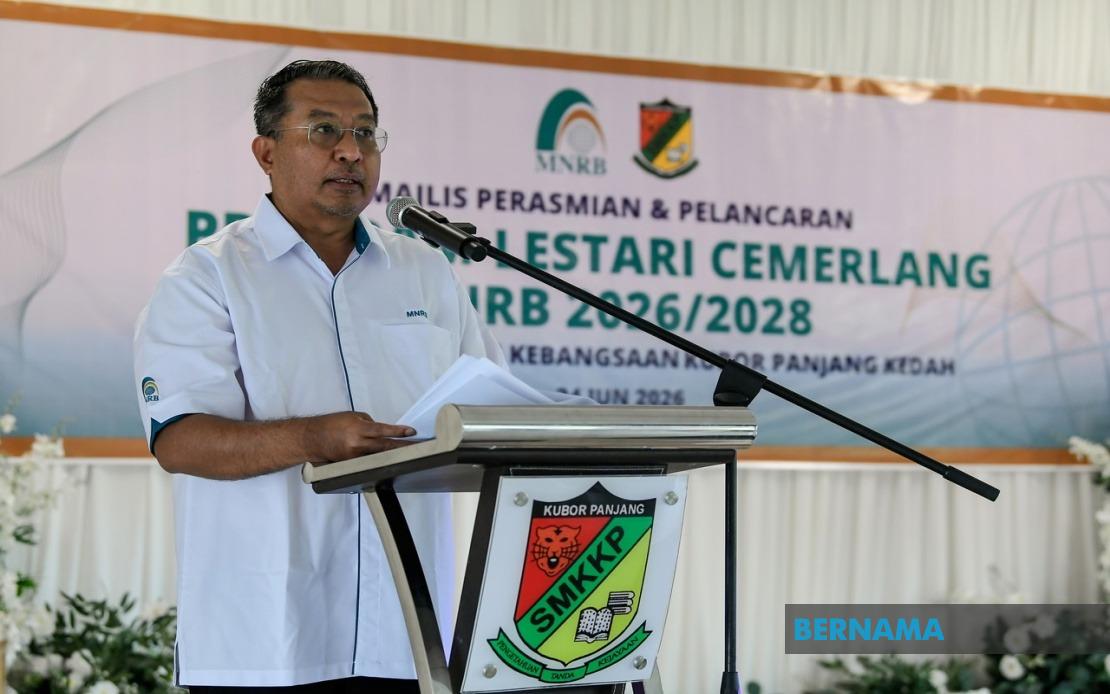
MNRB Holdings Berhad, a Malaysian investment holding company, has committed nearly RM600,000 to support six schools across the country through its corporate social responsibility initiative, with the latest beneficiary being Sekolah Menengah Kebangsaan Kubor Panjang in Pendang, Kedah. The company's investment represents a significant expansion of its educational outreach, which has now reached institutions in Perak, Pahang, Negeri Sembilan, Melaka, Selangor and Kedah.
The MNRB Lestari Cemerlang Programme, first launched in 2011, reflects a long-term commitment to educational excellence that extends beyond simple financial donations. According to Datuk Rudy Rodzila Che Lamin, MNRB's interim president and group chief executive officer, the initiative prioritises a dual focus on improving both academic performance and character development, with particular emphasis on schools located in remote and rural areas where educational resources are often constrained. This targeted approach addresses a genuine gap in Malaysia's educational landscape, where disparities between urban and rural schools remain a persistent challenge.
The programme's comprehensive nature distinguishes it from more narrowly focused charitable initiatives. Beyond direct financial support, MNRB has implemented a range of interventions designed to create sustainable improvements in school environments and student outcomes. These include organising supplementary tuition classes specifically for Form Five students preparing for major examinations, conducting motivational camps that foster leadership and personal development, and implementing broader student development programmes that address social and emotional wellbeing alongside academic progression.
Physical infrastructure improvements form another pillar of the initiative. MNRB has invested in upgrading learning facilities and has established dedicated smart learning spaces equipped with interactive television systems and robust internet connectivity. The creation of what the company terms the MNRB Smart e-Learning Room acknowledges the growing importance of digital literacy and technological competency for Malaysian students entering an increasingly knowledge-intensive economy. By providing these facilities in rural settings, the programme helps narrow the digital divide that can disadvantage students from less affluent areas.
Co-curricular development receives equal attention within the framework. MNRB has sponsored sports jerseys and equipment, recognising that athletic participation develops discipline, teamwork and resilience—qualities essential for holistic human development. Simultaneously, the company has initiated school greening programmes that combine environmental education with campus beautification, encouraging students to engage with sustainability concepts while improving their immediate physical environment.
The scholarship component demonstrates how MNRB extends support beyond the school gates and into students' post-secondary trajectories. Through the Tabung Biasiswa MNRB initiative, the company provides financial assistance to high-performing students from its adopted schools who pursue higher education in fields aligned with MNRB's business operations—specifically insurance, takaful and finance. This strategic targeting creates a pipeline connecting talented students from rural schools with professional pathways in financial services, potentially addressing sector-wide talent shortages while creating upward mobility opportunities for exceptional young Malaysians.
The employment outcomes already achieved underscore the programme's practical effectiveness. Of the fourteen students who have received scholarship support from MNRB's previous adopted schools, eight have subsequently secured employment within the MNRB Group upon completing their qualifications. This conversion rate demonstrates that the programme successfully identifies genuinely talented individuals while providing them with genuine career opportunities—a meaningful return on educational investment that translates into tangible life improvements for participants and their families.
The initiative carries broader implications for Malaysia's approach to corporate-sponsored education. While government funding remains the primary source of educational investment, partnerships with private sector organisations like MNRB help supplement resources in under-resourced schools and create additional incentives for student achievement. For multinational and large domestic companies, such programmes offer a strategic approach to corporate responsibility that aligns with business interests—developing skilled workforces and building brand reputation—while making genuine contributions to educational quality.
The launch at SMK Kubor Panjang, officiated by the Kedah State Education Department's deputy director for the Learning Sector, reflected official recognition of the programme's value. The participation of state-level education officials signals that such initiatives are viewed as complementary to government efforts rather than as substitutes, with potential for expanded collaboration between corporate partners and educational authorities across Malaysia.
For Malaysian educators and policymakers, MNRB's model offers insights into effective targeted intervention. The combination of academic support, infrastructure investment, character development initiatives and scholarship provision creates a comprehensive ecosystem supporting student success. Replicating this model across Malaysia would require either mobilising additional corporate partnerships or increasing government funding—both politically and financially challenging propositions in the current climate.
The programme's emphasis on rural schools addresses a recognised equity concern within Malaysia's education system. While urban schools benefit from greater parental resources, better-resourced facilities and proximity to higher education institutions, rural students often face systemic disadvantages. By specifically targeting these areas, MNRB acknowledges that educational excellence cannot be assumed to develop uniformly across geographic divides without deliberate intervention.
Looking forward, the Lestari Cemerlang Programme demonstrates how sustained commitment over more than a decade can generate measurable impacts. With six schools now benefiting and employment pathways opening for scholarship recipients, MNRB has established a replicable model that other Malaysian corporations might adapt to their specific industry contexts. Whether the programme will expand further or remain focused on its current geographic scope remains to be seen, but its existence and documented success provide encouraging evidence that private-sector investment can meaningfully enhance educational opportunities for Malaysian students, particularly those in underserved communities.