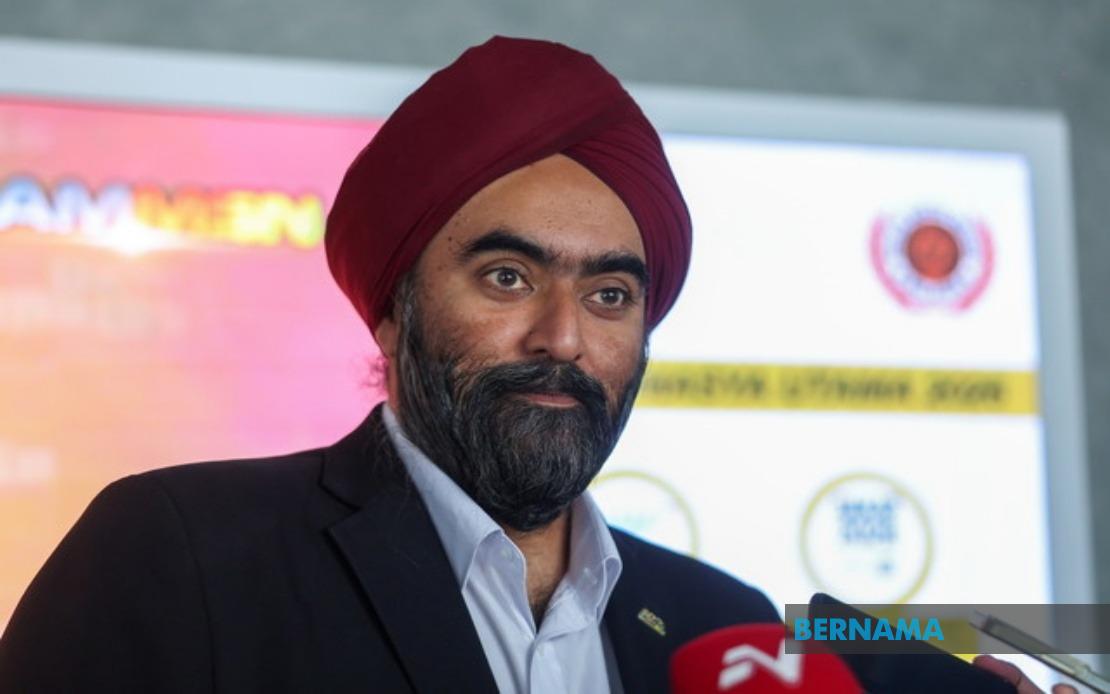
The Malaysian National Cycling Federation (MNCF) is demanding an urgent high-level meeting with Yayasan Sime Darby (YSD) to break the deadlock that has forced the postponement of the YSD Track Cycling and BMX Series 2026. MNCF president Datuk Amarjit Singh Gill made the call at the launch of Le Tour de Langkawi 2026 in Putrajaya on Tuesday, signalling the federation's determination to salvage what it describes as a critical talent development initiative for the sport.
YSD previously cited technical issues involving the MNCF as the reason for shelving the cycling series, but Amarjit has characterised the dispute as resolvable if both organisations approach negotiations in good faith. His measured response suggests the federation views the disagreement as fundamentally solvable, provided there is adequate dialogue between decision-makers at the highest levels. The MNCF president has emphasised that the federation stands ready for talks whenever YSD is prepared to engage, a position designed to position the cycling body as reasonable and committed to restoring the programme.
The postponement of the series represents a significant setback for Malaysian cycling, particularly for emerging riders who depend on structured national competitions to develop their skills and gain international exposure. Track cycling and BMX racing have grown considerably as disciplines within Malaysia's broader cycling ecosystem, attracting younger athletes and generating sponsorship interest. The YSD series served as a crucial pipeline for identifying and nurturing talent at grassroots and junior levels, making its suspension a matter of genuine concern for the sport's development trajectory.
Amarjit's public comments reveal a diplomatic approach designed to de-escalate the situation while maintaining the MNCF's standing. Rather than dwelling on the specifics of the dispute—which he declined to detail—he has chosen to emphasise shared responsibility and mutual respect as foundations for resolving differences. This strategy reflects broader conventions within Malaysian sports governance, where federation leaders typically avoid protracted public disputes with sponsors and partners, preferring to resolve matters through closed-door negotiations.
The framing of the disagreement as a "technical issue" by YSD warrants closer examination, as such language often masks operational or structural disputes between sports bodies and their funders. These can range from governance disagreements and financial accountability concerns to differing visions for programme development and athlete welfare standards. Without more specificity from either party, observers are left to speculate about the underlying causes, though Amarjit's insistence that the matter is not complicated suggests the differences may be procedural or administrative rather than philosophical.
The relationship between the MNCF and YSD has historically been productive, with Yayasan Sime Darby committing substantial resources to cycling development as part of its corporate social responsibility portfolio. This sponsorship has provided stability and credibility to national cycling programmes, allowing the federation to focus on athlete development rather than perpetual fundraising. The interruption of this partnership consequently carries implications beyond the immediate postponement, potentially signalling instability in the federation's financial foundation and casting uncertainty over other supported initiatives.
From a Malaysian sports administration perspective, the dispute highlights the complex interdependence between national sports federations and private sector sponsors. While corporate backing has modernised and professionalised many Malaysian sports, it simultaneously introduces external pressures and expectations that sometimes conflict with sporting authorities' autonomy. The cycling federation's eagerness to meet YSD reflects an acknowledgment of this power dynamic, where the sponsor's resources give it considerable influence over programme implementation.
The timing of this disagreement—occurring during the planning phases of the 2026 calendar—is particularly unfortunate for cycling development. Planning cycles for national sporting programmes typically require consistency and predictability, and mid-term disruptions can compromise athlete preparation schedules and competitive opportunities. Young riders who anticipated participation in the series now face uncertainty, potentially affecting their progression and international competitiveness.
For Malaysian readers and cycling enthusiasts, this dispute underscores ongoing structural challenges within the country's sports ecosystem. While enthusiastic sponsorship has elevated several sports, the dependency on individual corporate partners creates vulnerability when relationships falter. More robust, diversified funding models—combining government allocation, sport levies, broadcasting rights, and multiple sponsors—could insulate programmes from disruption caused by single-partner disagreements.
Amarjit's diplomatic language also reflects the federation's desire to preserve the possibility of continuing partnership with YSD beyond the immediate resolution. Rather than laying blame or demanding accountability publicly, the MNCF is emphasising partnership and mutual benefit, positions that keep the door open for YSD to return as a sponsor. This forward-looking approach is pragmatic, given the cycling federation's limited alternative sources of major sponsorship at that level.
The pathway forward depends largely on YSD's willingness to engage substantively with the MNCF leadership. If both organisations can move beyond their current impasse, there remains opportunity to salvage the 2026 cycling series or implement modifications that address whatever technical concerns have been raised. The sporting community will be watching closely to see whether these two entities can model effective partnership recovery—a lesson applicable across Malaysian sports administration.

