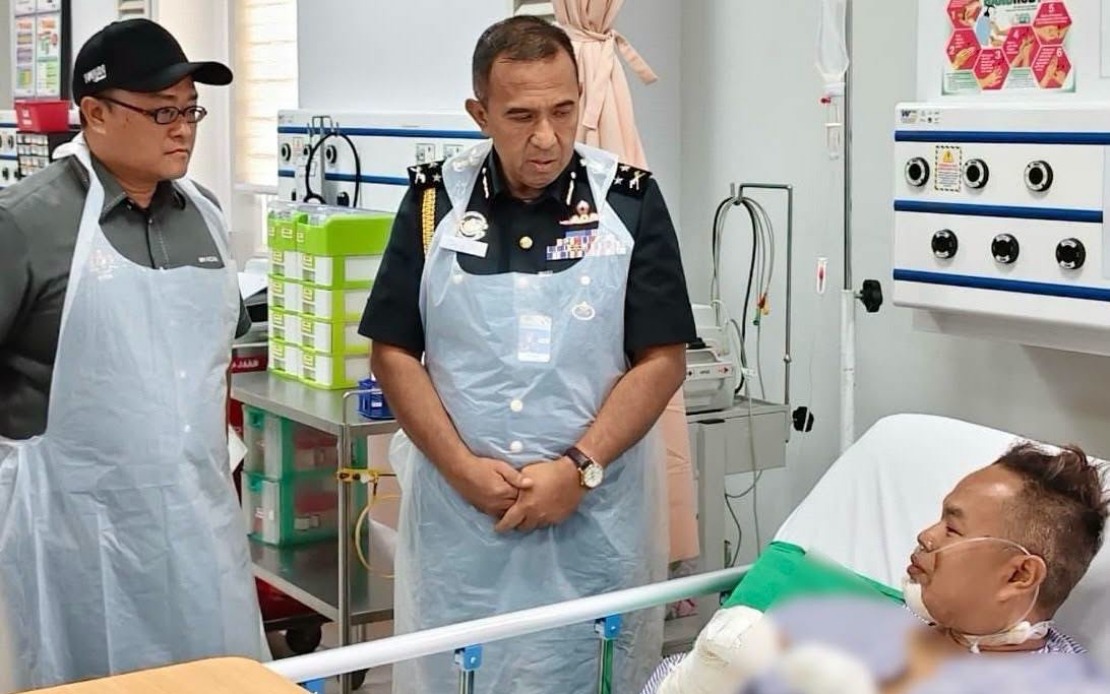
Two enforcement officers from the Domestic Trade and Cost of Living Ministry (KPDN) sustained injuries while executing operational duties in Selangor as part of Ops Tiris 4.0, a nationwide campaign designed to prevent the unlawful diversion of subsidised liquefied petroleum gas through decanting activities. The incident has drawn attention from Minister Datuk Armizan Mohd Ali, who publicly acknowledged the sacrifices made by frontline personnel in protecting consumer interests and national resources.
Assistant Enforcement Officer Mohammad Fauzi Baharuddin experienced injuries classified as fairly serious and remains under medical care at the time of the ministry's statement. His counterpart, Enforcement Assistant R. Yoghanath, sustained minor injuries and was discharged following initial treatment, allowing him to recover at home. The varying severity of their conditions underscores the unpredictable nature of fieldwork in enforcement operations, where personnel encounter situations that can quickly escalate beyond initial expectations.
Armizan's public response through social media reflected both personal compassion and official acknowledgment of the risks inherent to the enforcement profession. He extended specific prayers for Mohammad Fauzi's complete recovery and the emotional resilience needed to endure the treatment process, recognising the psychological burden placed on injured workers and their families during recovery periods. His remarks to Yoghanath focused on maintaining health momentum following the incident, emphasising the importance of sustained wellbeing for operational personnel.
The minister's broader commentary contextualised the incident within the larger framework of enforcement operations, where officers regularly leave their families to pursue duty assignments characterised by unpredictable circumstances and genuine safety hazards. This framing serves an important function in Malaysian governance discourse by elevating public awareness of the occupational dangers faced by civil servants engaged in regulatory work. Beyond administrative duties, these personnel encounter physical confrontations and volatile situations that demand courage and quick decision-making capabilities.
Ops Tiris 4.0 targets a persistent challenge within Malaysia's energy subsidy ecosystem: the illegal decanting of subsidised LPG into unmarked containers for unauthorised commercial sale or distribution. This practice undermines the government's cost-of-living initiatives, which are designed to provide financial relief to ordinary households by maintaining affordable energy prices. The operation represents a coordinated effort to safeguard the integrity of subsidy programmes and ensure resources reach intended beneficiaries rather than being captured through illicit market channels.
The enforcement challenges embedded within such operations reflect broader tensions in Southeast Asia's regulatory landscape, where informal economies and subsidy circumvention create persistent management difficulties for authorities. Malaysia's approach through Ops Tiris demonstrates institutional commitment to tackling these issues through sustained field enforcement, despite the personal costs borne by operational personnel. The visibility afforded to injured officers through ministerial statements helps legitimise their contributions while documenting the real-world consequences of enforcement work.
Armizan's tribute to KPDN enforcement personnel as a collective recognised their dual vulnerability: exposure to physical danger during operations and the emotional toll of separating from family members to perform duties in the field. This acknowledgment carries significance for workplace morale and public perception of civil service careers, particularly in roles perceived as routine administrative work but which actually involve considerable risk. The minister's public gratitude serves to validate their sacrifice and reinforce institutional support during difficult periods.
The incident also illuminates the operational intensity of subsidy protection efforts across Southeast Asia, where governments increasingly prioritise detection and prevention of resource leakage. Malaysia's LPG subsidy programme represents a substantial government expenditure, making it a justified target for enforcement attention and resource allocation. When enforcement personnel sustain injuries, the incident reverberates through organisational structures and highlights genuine operational constraints that budget allocations and personnel training must address.
Looking forward, such incidents typically prompt institutional reviews of safety protocols, equipment provision, and operational procedures within enforcement agencies. The KPDN may examine whether current protocols adequately prepare officers for confrontational scenarios and whether protective equipment or procedural modifications could reduce injury risk in future operations. The balance between aggressive subsidy protection and personnel safety remains a persistent challenge for regulatory agencies throughout the region.
The ministerial response also reflects Malaysia's broader commitment to subsidy programme integrity, an increasingly complex policy area as fiscal pressures mount and informal economic activities expand. Ops Tiris 4.0 continues a sequence of enforcement initiatives aimed at securing government resources and protecting vulnerable populations who depend on subsidised energy access. The willingness to acknowledge costs borne by enforcement personnel demonstrates sophisticated understanding that sustainable regulatory programmes require institutional support for frontline workers, not merely operational commitment from leadership.

