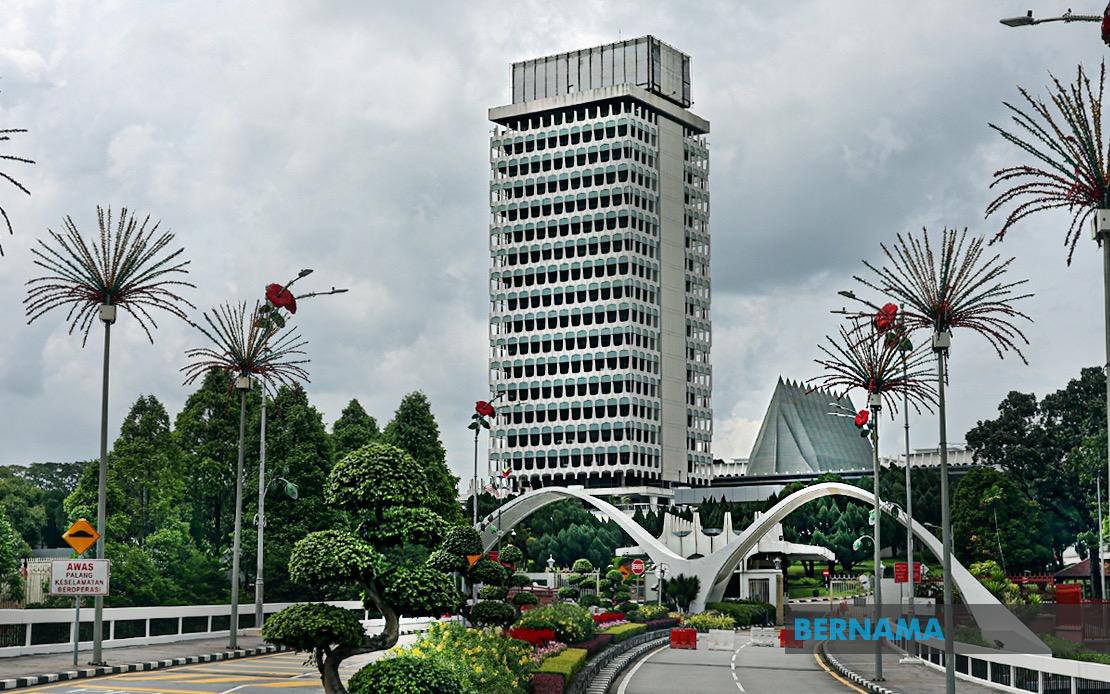
Malaysia's Dewan Rakyat returned to sitting today with lawmakers set to scrutinise the ramifications of the West Asian conflict on the nation's tourism sector and security challenges along its maritime borders. The 16-day parliamentary session, running through July 16, reflects growing concerns about interconnected economic and security pressures facing the country as geopolitical instability reshapes regional travel patterns and border management demands.
Dr Ahmad Fakhruddin Fakhrurazi of Perikatan Nasional representing Kuala Kedah will direct questions at the Tourism, Arts and Culture Minister regarding the measurable impact of Middle Eastern tensions on visitor numbers from key markets. The inquiry specifically targets three significant source regions: the Middle East itself, Europe, and the broader West Asian area. This line of questioning signals parliamentary concern that ongoing conflicts may be deterring travellers from regions that have traditionally contributed substantial tourist revenue to Malaysia's economy, particularly given the popularity of destinations like Kuala Lumpur and Penang among European and Gulf-based visitors.
Beyond identifying the damage to tourism flows, Dr Ahmad Fakhruddin intends to press the government on its strategic response. The question seeks clarity on what measures the administration is implementing to sustain momentum in the tourism sector despite headwinds from international instability. This reflects a broader Malaysian economic challenge: tourism contributes significantly to GDP and employment, yet remains vulnerable to shocks beyond the nation's control. Understanding government contingency planning and marketing initiatives designed to either retain existing visitor streams or cultivate alternative source markets will prove essential as parliament assesses the sector's resilience.
Meanwhile, Datuk Mohd Suhaimi Abdullah, representing Langkawi for Perikatan Nasional, shifts focus to security matters that carry particular weight for the island state. Langkawi's geographic position near the Malaysia-Thailand maritime boundary creates vulnerabilities to migrant smuggling, illicit goods trafficking, and unauthorised territorial incursions. His parliamentary questions target the Home Ministry's assessment of whether security agencies possess adequate personnel and equipment to manage these complex threats effectively. The inquiry represents legislative oversight of resource allocation in border management, an increasingly critical function as transnational criminal networks exploit maritime routes and terrestrial pathways.
Within his security questions, Datuk Mohd Suhaimi specifically raises the prospect of deploying unmanned aerial vehicles for enhanced surveillance and enforcement capabilities. This reference to earlier departmental applications suggests previous proposals have stalled, prompting the legislator to press for explanation and progress updates. Drone technology offers clear advantages in monitoring vast maritime zones and remote border areas that traditional patrols struggle to cover comprehensively, particularly given the resource constraints facing law enforcement across Southeast Asia. The question implicitly probes whether bureaucratic processes or budgetary limitations have prevented adoption of technologies that other regional nations are already deploying.
Elephant conservation issues enter the parliamentary agenda through Manndzri Nasib of Barisan Nasional, who represents Tenggara. His enquiries target the Natural Resources and Environmental Sustainability Minister regarding the effectiveness of expanded Ecological Fiscal Transfer funding and community programmes operated by PERHILITAN in mitigating human-elephant conflicts. This reflects deepening tensions between wildlife conservation and rural development in Malaysia's forested regions, where expanding human settlements increasingly encroach on elephant habitats, generating conflicts that harm both communities and endangered populations.
Manndzri Nasib's questions probe not just current effectiveness but also coordination strategies for expanding Electric Fencing for Elephants technology. SPEG represents an innovative approach to wildlife management that protects both human safety and animal welfare by creating non-lethal barriers. Parliamentary interest in this technology suggests recognition that conventional approaches have proven insufficient and that new methodologies require systematic deployment and inter-agency coordination to achieve meaningful impact across affected regions.
Housing affordability emerges as another major parliamentary concern through Datuk Willie anak Mongin, representing Puncak Borneo for GPS. His questions target the Housing and Local Government Minister with requests for granular data on unsold affordable housing units categorised by state and price range. Beyond inventory assessment, Datuk Willie seeks statistics on actual home ownership rates among Malaysians under 35, disaggregated by state and parliamentary constituency. This dual approach allows legislators to identify whether affordability policy failures stem from supply-side inadequacies, demand-side challenges, or regional disparities requiring targeted intervention.
The disconnect between young people's homeownership aspirations and actual attainment remains a persistent Malaysian policy challenge. Property prices in major urban centres have outpaced wage growth substantially, while first-time buyer schemes and affordable housing initiatives have not universally succeeded in closing this gap. Parliamentary scrutiny of state-by-constituency data enables identification of geographic hotspots where younger cohorts face particular barriers, potentially directing policy interventions to areas of greatest need.
Beyond question-and-answer segments, parliament will advance two significant legislative measures. The Sexual Offences against Children (Amendment) Bill 2026 represents continued refinement of frameworks protecting vulnerable populations from exploitation and abuse. Child protection legislation requires periodic review as criminal methodologies evolve, particularly as digital technologies create new vulnerability vectors. Simultaneously, the Employment Insurance System (Amendment) Bill 2025 signals the government's commitment to strengthening worker protections and social safety nets, reflecting broader regional trends toward enhanced employment-related benefits and risk coverage.
The convergence of these parliamentary concerns—geopolitical impacts on economic sectors, border security adequacy, wildlife-human coexistence, housing accessibility, child protection, and worker security—illustrates the multifaceted policy landscape Malaysian legislators navigate. Each issue connects to broader Southeast Asian challenges: tourism vulnerability to external shocks, transnational security threats, environmental pressures from development, generational wealth disparities, and social protection systems. The 16-day sitting affords parliament opportunity to examine these interconnected challenges systematically and chart courses toward sustainable solutions that balance economic growth, security, environmental stewardship, and social equity.

