A high-profile culinary scandal is unfolding in South Korea's fine dining scene, where the owner of a prestigious two-Michelin-star restaurant now faces serious criminal charges for what prosecutors describe as deliberate violations of national food safety standards. Appearing before Seoul Western District Court on Monday, the unnamed chef stood accused of systematically garnishing desserts with black ants—insects not approved for human consumption in the country—over nearly four years until January 2025. Prosecutors have requested a prison sentence of one year and an additional fine of 20 million won (approximately US$81,000) for the infractions, marking an unusually stern response to an incident at a venue that ordinarily represents the pinnacle of Korean culinary achievement.
The crux of the investigation centres on a fundamental breach of South Korean food safety regulations, which maintain a carefully curated list of permissible insect species for human consumption. Among the ten approved varieties are grasshoppers and brown mealworm larvae—insects that have become increasingly incorporated into contemporary cuisine both in South Korea and across Asia as novel protein sources and umami-rich ingredients. The black ants in question, however, fall squarely outside this regulatory framework. According to statements from the food safety ministry, the restaurant imported these insects from Thailand and the United States, deliberately circumventing domestic approval protocols to achieve what the chef characterised as an enhancement to the dish's flavour profile.
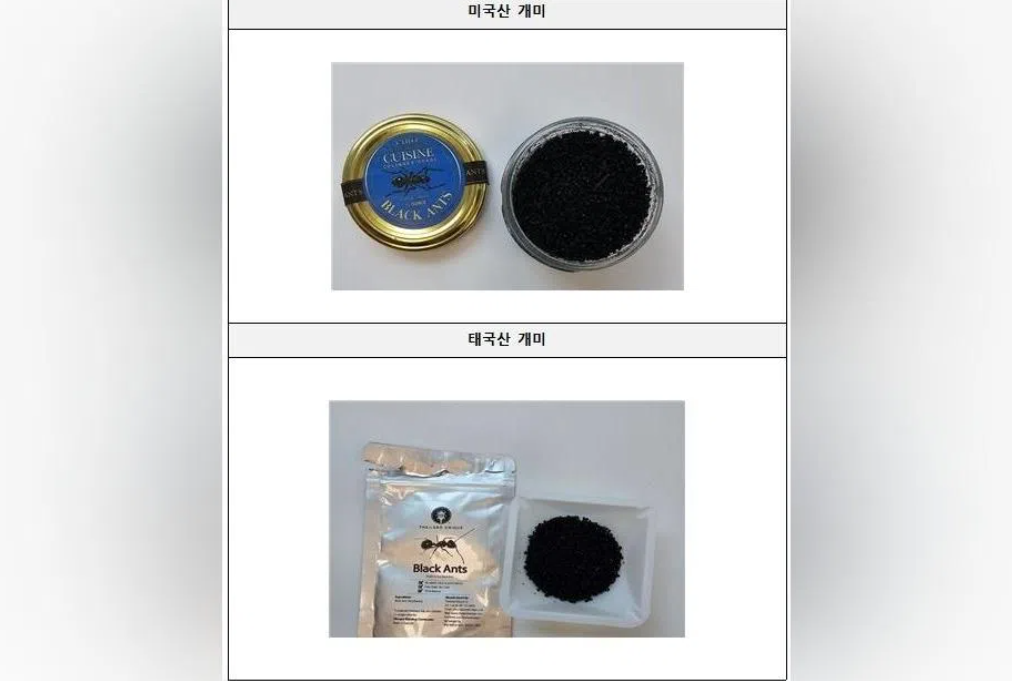
Documentation released by authorities paints a picture of deliberate planning rather than isolated oversight. The ministry's investigation revealed that the chef topped individual sorbets with between three and five ants, claiming this quantity was sufficient to introduce a sour note to what would otherwise be a palate-cleansing course. Photographic evidence presented by regulators showed packaging labelled "Cuisine Black Ants" in branded tins, suggesting the ingredients were sourced from commercial channels rather than procured haphazardly. Over the approximately four-year operational period under investigation, the restaurant generated approximately 120 million won in revenue specifically from these ant-garnished confections, indicating that the practice was neither experimental nor occasional but rather a sustained menu offering.
The financial scale of the operation underscores how thoroughly the practice had become embedded in the restaurant's service model. With roughly 12,000 documented transactions involving the contested dishes, the volume suggests systematic implementation across a substantial customer base. This regularity raises questions about awareness and oversight within the establishment—whether kitchen staff, management, and front-of-house personnel all operated with full knowledge of the legal status of the ingredient, or whether the practice persisted partly due to lapses in institutional compliance structures.
The defence strategy articulated by the restaurant owner's legal representatives introduces a complicating factor that may shape the court's eventual determination. Lawyers argued that the ant-topped sorbets were served exclusively to customers who had provided advance consent, implying a degree of transparency and voluntary participation on the diner's part. This argument attempts to reframe the charges from straightforward food safety violation to something closer to consensual culinary experimentation—a distinction that carries weight in some jurisdictions but may hold less sway within South Korea's strictly codified regulatory environment. The prosecution's insistence on criminal penalties suggests authorities view informed consent as insufficient justification for circumventing national food safety standards.
The defendant's closing statement, in which he expressed regret and attributed the violations to insufficient understanding of applicable regulations, may influence sentencing considerations even if the court finds him guilty of the core charges. This claim of regulatory ignorance strains credulibility given the deliberate sourcing of exotic insects and the sustained nature of the practice, yet such statements often feature prominently in culinary law cases where judges must weigh technical violations against questions of intent and negligence versus wilful misconduct. South Korean courts have historically shown willingness to consider context and contrition when determining appropriate penalties for food safety breaches.
The timing of the scandal reflects broader conversations within Asia's haute cuisine ecosystem about innovation, ingredient sourcing, and regulatory compliance. As chefs increasingly draw on traditional and unconventional ingredients to create distinctive dining experiences, questions inevitably arise about which regulatory frameworks should govern such experimentation. South Korea's maintained list of approved insects represents a conservative approach prioritising consumer safety and institutional control over chef autonomy and culinary freedom—a balance that differs markedly from regulatory philosophies in some European jurisdictions or other Asian markets where insect-based ingredients enjoy broader acceptance.
For Malaysia and the broader Southeast Asian region, this case offers instructive lessons about the enforcement landscape for food safety regulations. While Malaysia maintains its own approval frameworks for food additives and novel ingredients, the Korean prosecution's aggressive stance serves as a reminder that food safety authorities across Asia are increasingly willing to pursue criminal charges rather than administrative penalties for violations. This reflects tightened regulatory attitudes globally, driven partly by high-profile food contamination incidents and consumer advocacy movements demanding stricter corporate accountability.
The Michelin star designation, rather than shielding the restaurant from regulatory scrutiny, may have actually intensified official attention. South Korea's food safety authorities have demonstrated particular vigilance toward high-visibility establishments, recognising that violations at prestigious venues carry disproportionate reputational consequences for national culinary standards and potentially affect consumer confidence more broadly. A ruling against the defendant could establish precedent for how aggressively authorities pursue chefs and restaurateurs who creatively interpret or deliberately circumvent ingredient approval lists.
The Seoul Western District Court is scheduled to deliver its verdict in early September, a timeline that will bring clarity to how South Korean jurisprudence balances culinary creativity against regulatory compliance in the fine dining context. The outcome will likely reverberate through Asia's restaurant industry, particularly among Michelin-starred establishments and high-end venues where experimental ingredient sourcing represents a competitive advantage. Whether courts ultimately view such violations as serious criminal matters or more modest regulatory infractions will substantially shape how chefs across the region approach ingredient innovation going forward.

