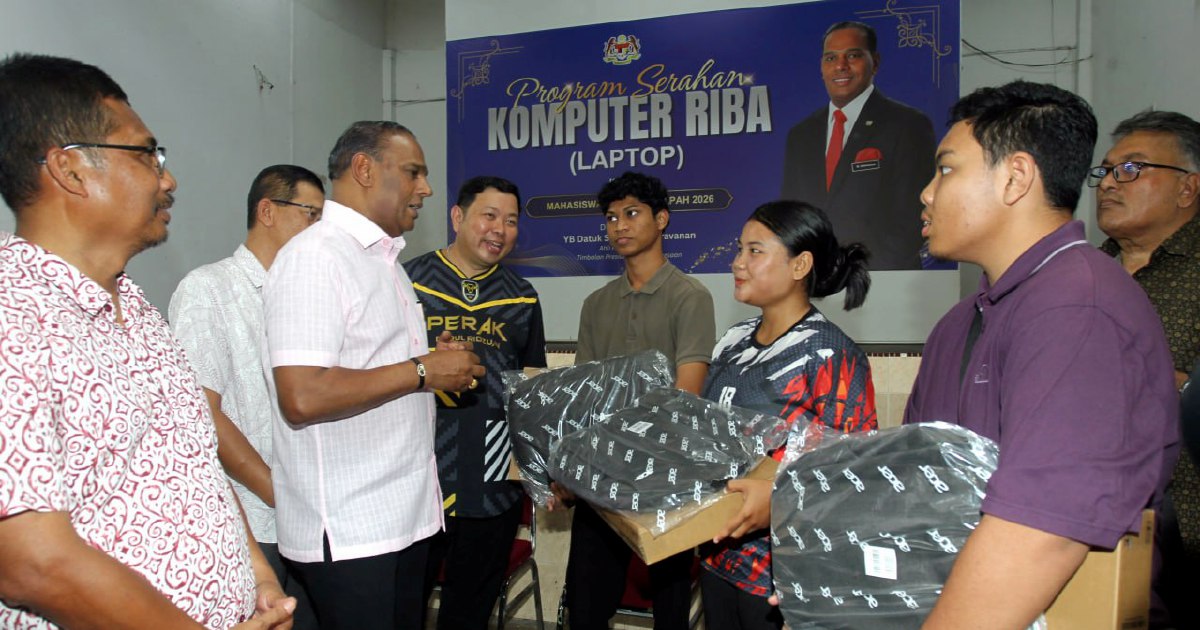
The Malaysian Indian Congress (MIC) has begun laying the groundwork for the forthcoming Melaka state election, undertaking a comprehensive assessment of potential candidates and voter sentiment across different demographic groups. Speaking from Tapah, party officials outlined their organisational strategy ahead of the polls, signalling that the coalition partner intends to play a meaningful role in shaping the electoral outcome in this strategically important southern state.
This preparatory phase reflects MIC's recognition that credible candidate selection will be crucial to its electoral performance. The process involves not merely identifying individuals with party credentials, but conducting thorough evaluations of their viability, local standing, and capacity to connect with constituents. Such vetting is particularly important for a party seeking to demonstrate renewed organisational vigour and strategic focus within the broader Barisan Nasional framework, where MIC has historically occupied a secondary position to larger partners.
Meanwhile, MIC's voter assessment work extends beyond traditional party strongholds. The party's interest in understanding the preferences and concerns of non-partisan or uncommitted voters—referred to as "white" voters in Malaysian electoral terminology—indicates recognition that winning margins often depend on persuading swing voters rather than merely mobilising the party faithful. This reflects lessons learned from recent Malaysian elections, where voter volatility and shifting coalition allegiances have repeatedly reshaped political landscapes.
Melaka has proven to be an unpredictable electoral arena in recent years. The state witnessed dramatic political upheaval following the 2022 general election, with multiple shifts in government control and internal coalition tensions. Such instability underscores why parties cannot assume traditional voting patterns will hold. MIC's granular examination of voter sentiment suggests the party recognises it must compete actively for support rather than relying on inherited electoral advantages.
The identification of key issues affecting the electorate represents perhaps the most substantive element of MIC's preparatory work. Understanding which concerns dominate voter consciousness—whether employment, education, infrastructure, religious affairs, or economic pressures—allows parties to craft messaging and policy proposals that resonate authentically. For MIC in particular, identifying which issues matter most to different communities helps the party position itself as a responsive advocate rather than a distant bureaucratic structure.
MIC's engagement in this early planning stage also signals its determination to remain relevant within Malaysian coalition politics. The party has faced periodic questions about its continued utility and electoral viability, particularly as Indian Malaysian voting patterns have become less predictable. By visibly preparing for Melaka with systematic methodology, MIC attempts to demonstrate organisational capability and strategic seriousness to both its base and coalition partners.
For Melaka voters, the significance of MIC's preparations lies partly in what they reveal about broader coalition intentions. Major parties do not typically invest substantial resources in candidate evaluation and voter research unless they are genuinely committed to competitive engagement. MIC's evident commitment to the Melaka campaign suggests the coalition views this state election as consequential rather than merely routine.
The timing of MIC's groundwork deserves attention as well. By commencing candidate assessment and voter analysis well ahead of official campaign periods, the party positions itself to announce candidates and launch messaging with greater polish and apparent preparedness than rivals who mobilise later. First-mover advantage in articulating candidate quality and policy platforms can meaningfully influence voter perception, particularly among undecided voters weighing their options.
Geographically, Melaka's relatively manageable size compared to larger states means that focused party effort can achieve substantial coverage. MIC's capability to assess voters and candidates systematically across Melaka's constituencies—potentially with more detail than parties can muster in sprawling states like Selangor or Johor—gives the party opportunity to demonstrate the kind of granular political organising that can translate into electoral gains.
The broader context matters too. Malaysia's political landscape continues evolving unpredictably, with voter coalitions proving unstable and new political movements emerging. In such flux, smaller traditional parties like MIC must fight constantly to retain relevance and support. The Melaka election represents an important opportunity to reinforce MIC's presence and prove its continued value as a political force capable of delivering results within the coalition framework.
As MIC progresses from this assessment phase toward candidate announcement and campaigning, observers will note how thoroughly the party's groundwork translates into electoral performance. The care with which parties evaluate candidates and understand voters often predicts their success far more reliably than grand rhetoric or organisational structures. If MIC's assessment work proves rigorous and voter-centred, the results should ultimately benefit both the party and—more importantly for voters—the quality of representation they receive in Melaka's state assembly.

