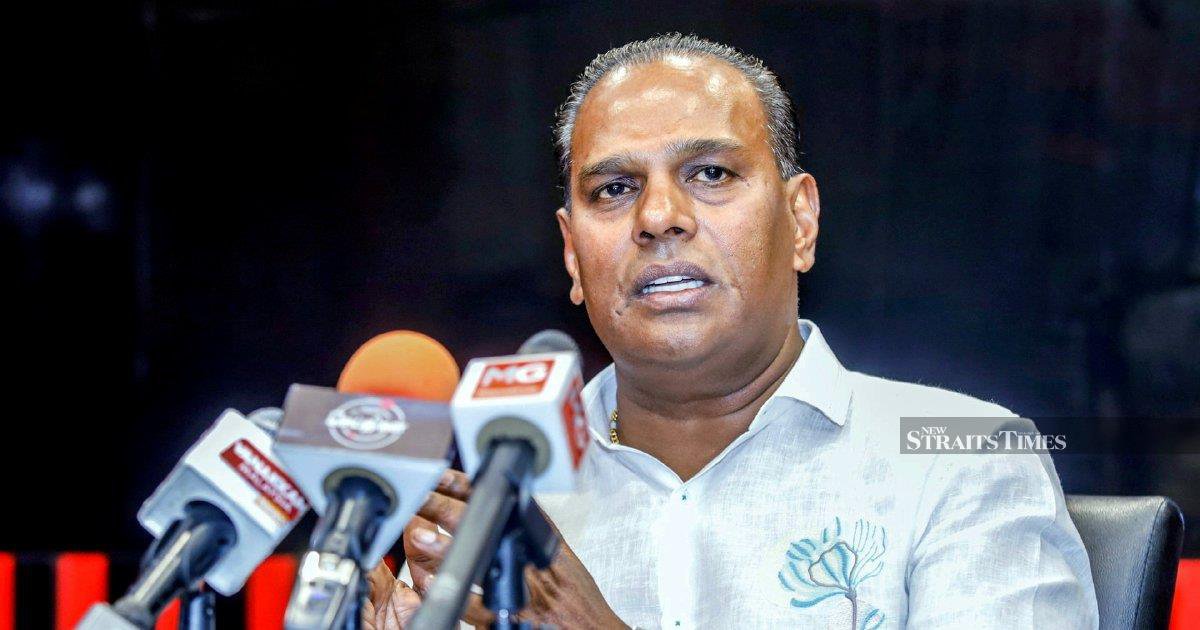
Datuk Seri M. Saravanan, the deputy president of the Malaysian Indian Congress, has publicly confirmed that he will face charges at the KL Sessions Court tomorrow, signalling an escalation in what appears to be an ongoing legal matter involving the senior political figure. The announcement adds to recent developments surrounding senior party officials and underscores mounting scrutiny affecting the coalition structure.
As a high-ranking member of the MIC, one of the three principal components of the Barisan Nasional alliance alongside UMNO and MCA, Saravanan's legal predicament carries implications beyond his personal circumstances. The MIC represents the interests of Malaysia's Indian community and has historically served as a crucial mechanism for securing Indian-Malaysian support for the ruling coalition. Any internal difficulties within its leadership structure inevitably affect the broader political landscape, particularly given the community's significance as swing voters in numerous parliamentary and state constituencies.
The MIC has maintained a presence in Malaysian politics for decades, though its electoral fortunes have fluctuated considerably, especially following the 2018 general election upheaval. The party's standing within Barisan Nasional remained somewhat unstable even as the coalition returned to power following the 2022 elections. Leadership stability and public confidence in the party's senior officials remain important factors in retaining grassroots support and organisational cohesion during challenging political periods.
Saravanan's confirmation that he will surrender himself to face charges represents a decisive step in the judicial process. Rather than evading the matter, his willingness to appear signals a degree of transparency, though details regarding the specific nature of the charges remain undisclosed at this stage. Such judicial proceedings involving prominent political figures typically attract considerable public and media attention, particularly when they involve senior officials from coalition partners within the ruling structure.
The timing of this court appearance occurs against a backdrop of broader political developments in Malaysia. The nation continues to navigate complex governance challenges, and senior leadership facing legal proceedings inevitably generates questions about institutional integrity and the independence of enforcement agencies. For the Indian-Malaysian community, developments affecting their political representatives carry particular resonance given historical patterns of representation and resource allocation within the coalition framework.
Court proceedings of this magnitude involving senior political personalities typically unfold over extended periods, with multiple adjournments and procedural steps common in Malaysian legal practice. The initial court appearance tomorrow will likely establish the formal charges, procedural requirements, and timelines for subsequent hearings. Media coverage of such proceedings often extends far beyond routine legal reporting, with political commentators and analysts scrutinising implications for party leadership and coalition stability.
The MIC's ability to weather internal challenges while maintaining its coalition responsibilities represents an ongoing test of institutional resilience. Leadership transitions or legal complications affecting senior officials can occasionally trigger succession disputes or factional tensions within political organisations. Whether the party will experience such difficulties remains to be observed, though preliminary indications suggest measured responses from party representatives.
From a Malaysian political perspective, developments affecting senior figures in ruling coalition parties inevitably influence public discourse around governance, accountability, and the rule of law. Citizens and observers often view such proceedings as barometers of whether legal processes operate consistently regardless of political standing. The apparent willingness of authorities to proceed with charges against a coalition deputy president, coupled with Saravanan's confirmation of his court appearance, may reinforce perceptions of judicial independence or alternatively generate debate regarding selective application of legal standards.
The Indian-Malaysian community, representing approximately 10 per cent of Malaysia's population, maintains significant electoral influence in numerous constituencies across the peninsula. Political developments affecting the MIC consequently reverberate across Malaysian electoral politics more broadly. The party's capacity to maintain internal stability and public confidence while navigating this legal matter will likely influence its electoral prospects and its continued viability as a meaningful coalition partner in future political contests.
As Malaysian politics enters another phase of institutional testing, the proceedings involving Saravanan will warrant close monitoring by political analysts, media observers, and the broader public. The outcomes may establish precedents regarding how the legal system addresses cases involving prominent political personalities and whether procedural consistency exists across different categories of accused persons. Tomorrow's court appearance marks a significant point in what appears to be an extended process that will continue to unfold over coming weeks and months.

