The Malaysian Golf Association is intensifying efforts to fortify its competitive standing ahead of the 2027 Southeast Asian Games by securing a dedicated national coach position backed by government resources. During discussions with the Ministry of Youth and Sports, MGA leadership identified the appointment of a high-calibre, full-time coach as a critical structural need for elevating the national programme. This move underscores the association's determination to leverage Malaysia's role as host nation to deliver medal success in golf, a sport with growing prominence across the region.
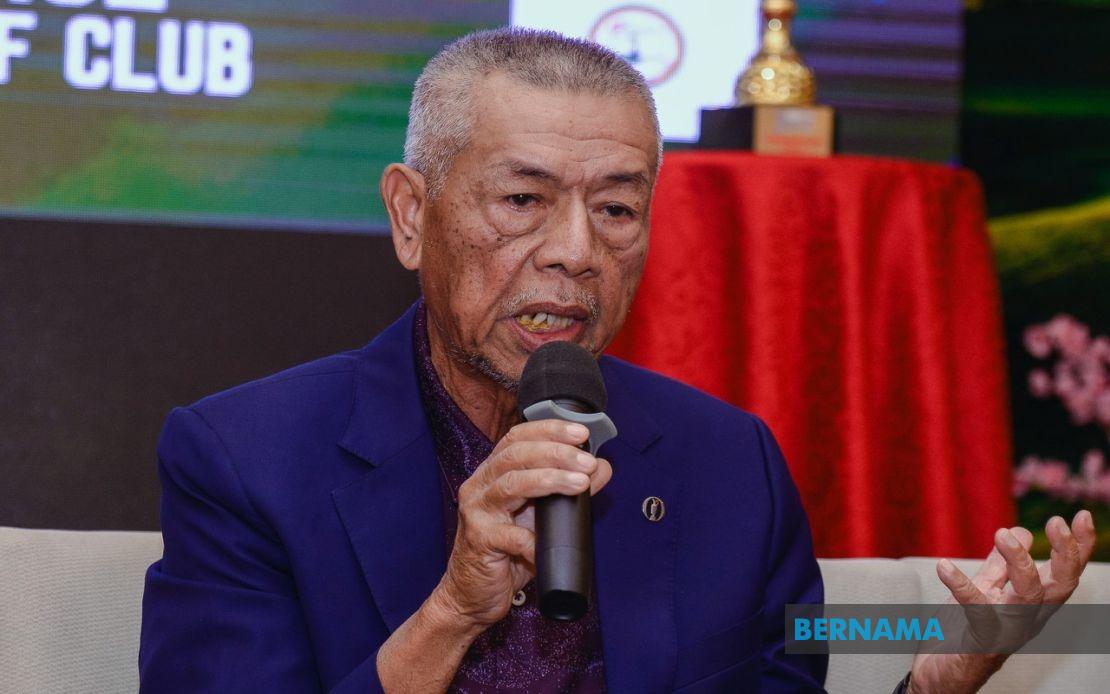
Tan Sri Mohd Anwar Mohd Nor, who heads the MGA, outlined the initiative during the recent launch of the 100PLUS MGA National Junior Development Programme Junior Series 2026 at The Mines Resort & Golf Club in Serdang. The establishment of a permanent coaching infrastructure, he explained, would enable the association to construct a more systematic and coherent long-term development pathway for athletes. Rather than relying on ad-hoc arrangements, a sustained, professional coaching presence would allow for consistent skill refinement, strategic planning, and performance monitoring across the competitive cycle leading into September 2027.
The MGA's appeal to the Ministry of Youth and Sports reflects a broader recognition within Malaysian sports governance that hosting capability and competitive excellence require institutional investment. The association has engaged Datuk Rahimi Ismail, the ministry's secretary-general, to explore pathways for securing this support. This represents a coordinated approach between the sporting body and government, establishing alignment on developmental priorities and resource allocation—a framework that has proven effective in other Olympic and SEA Games sports within the Malaysian system.
Beyond the coaching position, Mohd Anwar indicated that the MGA and the ministry are collaborating to identify additional mechanisms through which government backing can strengthen athlete preparation. The National Sports Council, alongside the youth and sports ministry, has been positioned as a key partner in rolling out supplementary programmes and resolving logistical challenges. This multi-agency coordination is essential given the complexity of modern competitive sports, where success depends not only on technical coaching but also on sports science, nutrition, recovery protocols, and competition scheduling.
The association has already begun sketching out a preparation roadmap that extends beyond conventional training environments. A notable dimension involves exploring training opportunities in Sarawak, Malaysia's largest state by area and home to several championship-standard courses. Mohd Anwar met with Sarawak's Minister of Youth, Sports and Entrepreneur Development, Datuk Seri Abdul Karim Rahman Hamzah, to assess how the state might support the national programme through facilities access and logistical coordination. This approach recognises that geographic diversity in training—exposing athletes to varying course conditions, climates, and playing surfaces—enhances adaptability and resilience in competition.
The timing of these initiatives is strategically significant. The SEA Games, held biennially, represents the premier competitive stage for golfers in the region. Malaysia's hosting role in 2027 creates both opportunity and expectation: the nation has a platform to demonstrate organisational excellence while simultaneously fielding a nationally representative team capable of challenging regional rivals from Thailand, Vietnam, Indonesia, and the Philippines. The investment in permanent coaching infrastructure signals that the MGA recognises the competitive intensity of modern SEA Games golf and the necessity of matching rivals' investment levels.
For Malaysian golf at the grassroots level, the parallel launch of the 100PLUS MGA National Junior Development Programme underscores a commitment to building sustainable talent pipelines. Junior development programmes serve as breeding grounds for future SEA Games and Asian Games competitors, and their integration with senior preparation strategies creates continuity. Young golfers progressing through the NJDP benefit from coaching methodologies and competitive exposure that align with pathways toward elite representation, reducing the gap between amateur and national-level performance.
The broader context for these efforts includes golf's position within Southeast Asian sport. Unlike football or badminton, golf operates in a more specialist ecosystem, with participation concentrated among populations with access to courses and coaching. This structural reality means that nations investing deliberately in systematic development gain measurable advantages. Thailand's success in regional competitions, for example, reflects sustained investment in coaching infrastructure and junior development over decades. The MGA's current push acknowledges this competitive dynamic and positions Malaysia to compete more effectively.
From a Southeast Asian perspective, Malaysia's commitment to strengthening its golf programme carries implications for the region's sporting competitiveness. As one of the region's economically advanced nations with established sporting infrastructure, Malaysia's investment decisions often signal broader trends. A well-resourced national coaching position and structured preparation for 2027 could elevate the quality of regional competition, pushing other SEA nations toward similar investments and ultimately raising standards across the board.
The ministry's receptiveness to these proposals, evidenced through high-level meetings and collaborative planning, suggests that Malaysian sports administration recognises golf as a discipline warranting strategic attention. This alignment between sporting organisations and government is essential for transforming aspirations into concrete outcomes. Over the coming months, the MGA will likely present detailed proposals outlining coaching credentials, support structures, and performance metrics that would justify sustained public investment in the position.
Success in realising these objectives could establish a model for how Malaysian sports associations advocate for and secure resources for competitive development. Should the permanent coaching position materialise and the preparatory framework yield results at the 2027 SEA Games, the approach could inform similar initiatives across other sports. Conversely, the initiative demonstrates that even in less prominent sports by viewership standards, strategic investment and institutional coordination remain fundamental to competitive success at regional level.