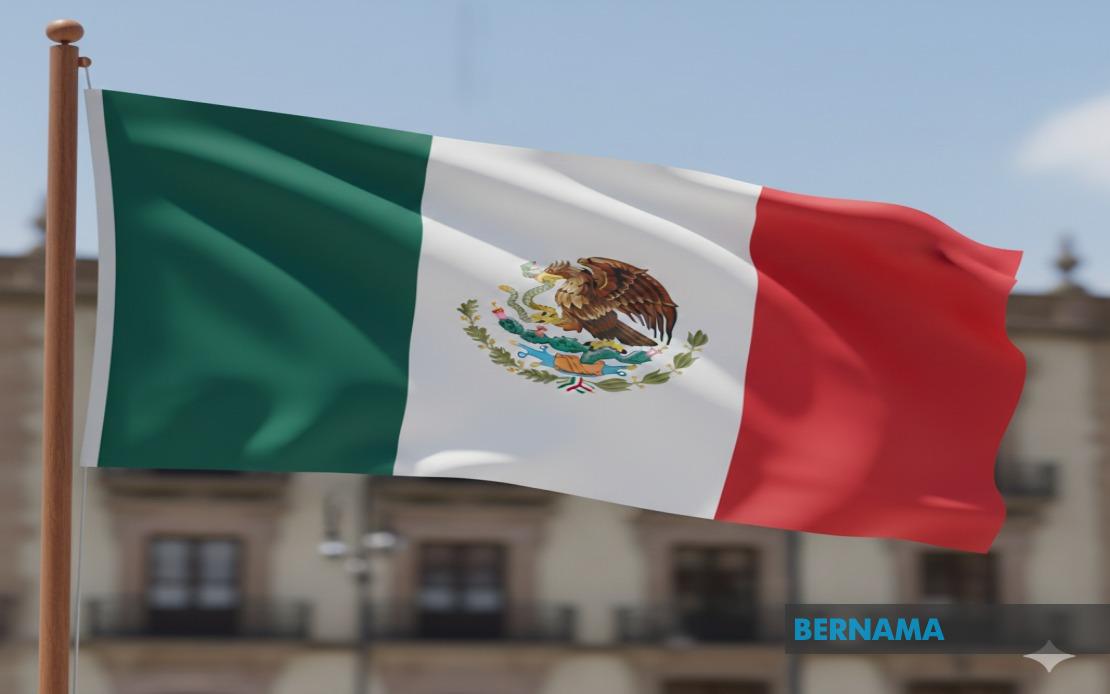
Mexico's government has taken a significant diplomatic step by formally requesting that the United Nations Human Rights Commissioner investigate the deaths of Mexican nationals linked to US Immigration and Customs Enforcement operations. Foreign Minister Roberto Velasco submitted a letter to UN High Commissioner Volker Türk on Tuesday, seeking an examination of the incidents and requesting that relevant information be gathered from American authorities. This move represents a notable escalation in Mexico's response to a mounting crisis that has strained bilateral relations between the neighbouring countries.
The scope of the UN inquiry extends beyond simple fact-finding. Velasco's request specifically asks the High Commissioner to evaluate whether the deaths and detentions align with America's commitments under international human rights law. The investigation would also generate recommendations for how the incidents should be handled and, should evidence warrant it, could trigger referrals to specialist procedures within the UN Human Rights Council's broader oversight mechanisms. This multilateral approach signals Mexico's determination to internationalise what was previously a bilateral concern, creating pressure for transparency and accountability.
The underlying crisis concerns the numbers of Mexican citizens who have died during or in connection with ICE operations. According to Mexican government data, three citizens have lost their lives during active ICE enforcement actions, while an additional fourteen have died whilst held in deportation detention facilities. These figures, though modest in absolute terms, have prompted a forceful political response from Mexican leadership. President Claudia Sheinbaum made clear last week that her administration would no longer confine its response to traditional diplomatic channels, signalling instead that Mexico would pursue formal legal remedies against individuals deemed responsible for wrongful deaths.
Mexico's multi-pronged legal strategy reflects the seriousness with which the government views these cases. The Attorney General's Office is preparing a formal complaint that will be submitted to the US Justice Department through official channels at the Mexican embassy in Washington. Simultaneously, Mexico's diplomatic missions throughout the United States have begun filing complaints with local and state prosecutors in jurisdictions where deaths have occurred. This localised approach ensures that even if federal authorities move slowly, regional legal systems may apply independent scrutiny to the incidents.
The Mexican government has also initiated what amounts to a formal warning system directed at the detention facilities implicated in the deaths. Cease-and-desist letters have begun circulating to centres involved in the cases, with the Adelanto detention facility in California receiving the first such communication. Officials regard these letters as preliminary steps that could ultimately lead to civil litigation against the facilities themselves, opening a potential avenue for compensation and institutional accountability distinct from any criminal investigation.
The most recent death that prompted intensified action was that of Lorenzo Salgado Araujo, a Mexican citizen who was fatally shot on July 7 during an ICE operation in Houston. Salgado had been a long-term resident of the Houston metropolitan area for over thirty years and had built a construction business there, indicating substantial community ties. The US Department of Homeland Security has released an account stating that Salgado did not comply with officer instructions, used his vehicle to ram a law enforcement car, and then attempted to strike an officer with his vehicle, prompting an ICE officer to discharge his firearm.
However, this official account has faced immediate and sustained challenge from multiple quarters. Salgado's relatives have questioned the accuracy of the government narrative, and established civil rights organisations have called for an independent examination of the incident. Democratic politicians have added their voices to demands for a separate investigation, suggesting that the circumstances surrounding the shooting merit scrutiny beyond what official agencies have provided. This divergence between the government's explanation and calls for independent investigation reflects deeper anxieties about accountability in immigration enforcement actions.
For Malaysian and Southeast Asian observers, Mexico's actions carry significant implications regarding immigrant rights and governmental accountability. The case demonstrates how developing nations are increasingly utilising international mechanisms to challenge actions by wealthier nations in areas traditionally left to bilateral negotiation. Mexico's willingness to involve the UN suggests a broader pattern in which countries are exporting their citizens' protection disputes to multilateral forums when domestic remedies appear inadequate.
The dispute also highlights vulnerabilities inherent in immigration detention systems and enforcement operations that extend beyond Mexico's borders. Immigration enforcement agencies across multiple countries have faced similar accusations of excessive force and inadequate oversight. Mexico's combination of diplomatic pressure, legal action, and institutional warnings may serve as a template for how smaller nations can defend their citizens' rights when they face harm in more powerful countries' territories.
Mexico's escalation strategy appears designed to create multiple pressure points simultaneously rather than relying on any single mechanism. By referring cases to the UN whilst preparing Justice Department complaints and pursuing state-level prosecutions, Mexico ensures that American officials face scrutiny at federal, state, and international levels. This layered approach reduces the likelihood that any single jurisdiction can dismiss or ignore the concerns, maximising the chances that at least some avenues will yield accountability.
The coming weeks will reveal whether the UN Human Rights Commissioner's office accepts the referral and what investigative capacity it brings to bear. Simultaneously, Mexico's domestic legal actions will progress, potentially generating evidence and testimony that influences how American institutions respond. The intersection of these multiple legal and diplomatic processes will likely determine whether Mexico achieves meaningful accountability or whether the cases fade from international attention.

