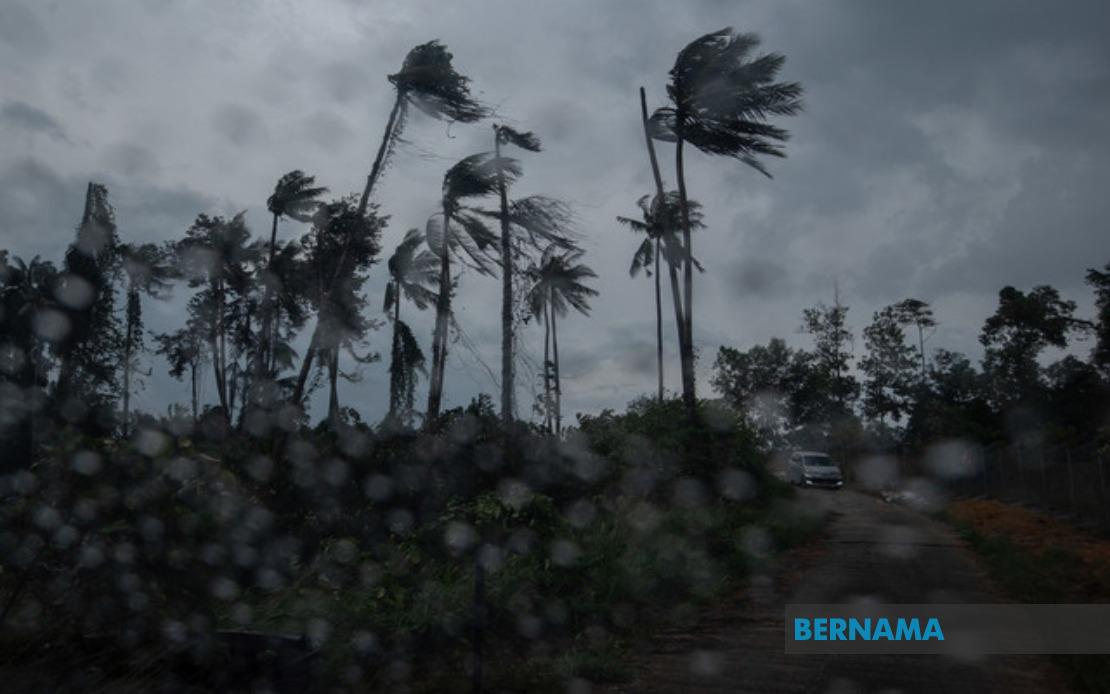
Residents across multiple regions in Peninsular Malaysia and Sarawak have been advised to prepare for severe weather conditions, with the Malaysian Meteorological Department (MetMalaysia) issuing a widespread alert for thunderstorms, torrential downpours and gusty winds expected to persist until early afternoon. The alert, released at 8.35 am, underscores the volatile atmospheric conditions developing across the nation's major population centres and regional zones, with the authority classifying the warning as a short-term advisory valid only for the duration of the six-hour period affected.
In Peninsular Malaysia, the entire states of Perlis and Melaka face exposure to the severe weather system, alongside multiple districts across strategically important regions. Kedah residents in Langkawi, Kubang Pasu and Kota Setar should remain vigilant, while those in Pahang—spanning the districts of Kuantan, Pekan and Jerantut—have been placed on heightened alert. The geographic spread of the warning indicates a substantial atmospheric disturbance affecting both coastal and inland communities throughout the country's western corridor.
The warning's reach extends across Selangor and Negeri Sembilan, where residents of Sepang and Kuala Langat in the former state, and Port Dickson, Seremban, Rembau, Kuala Pilah and Tampin in the latter, should exercise caution during outdoor activities and travel. These areas encompass significant urban and economic zones, suggesting potential disruptions to daily operations and transport networks. Johor's southern districts of Tangkak and Muar similarly face the prospect of adverse conditions, adding to the growing list of jurisdictions grappling with the volatile weather pattern.
Beyond the peninsula, Sarawak residents in Mukah, Selangau, Sibu, Sarikei, Maradong, Bintulu, Kapit, Bukit Mabong and Subis in Miri have received identical warnings, indicating that the meteorological system affecting Malaysia extends across the nation's eastern geography as well. This cross-country distribution highlights the extent and intensity of the atmospheric disturbance moving across Southeast Asia, with implications for Malaysia's broader region.
MetMalaysia's classification of the advisory as a short-term warning reflects standard meteorological protocol for rapidly developing weather systems. Such alerts are specifically designed to provide residents with immediate guidance while forecasting precision remains limited to relatively brief timeframes. The six-hour validity window means that conditions could either intensify, stabilize or dissipate within that period, requiring residents to monitor updates closely as the situation develops throughout the morning and into early afternoon.
Thunderstorms of the magnitude anticipated carry significant risks for Malaysian communities. Beyond the obvious dangers of lightning strikes during outdoor activities, heavy rainfall in such a concentrated period can overwhelm drainage infrastructure, particularly in urban areas where impervious surfaces limit water absorption. Strong winds accompanying the storm system pose hazards to unsecured structures, overhead power lines and vehicles, with the potential for accidents and temporary service disruptions. Authorities typically advise residents to remain indoors during the peak of such weather events and to avoid unnecessary travel.
The timing of the alert—issued mid-morning with effects extending into early afternoon—suggests that the most dangerous conditions are expected during typical business and school hours. This temporal factor carries implications for workplace safety, educational institutions and public transportation operations, with many organizations likely implementing contingency measures to protect personnel and maintain critical services. The overlap with midday peaks in commercial and commuter activity necessitates heightened public awareness and preparedness.
For those engaged in outdoor occupations, maritime activities or agriculture, the warning carries particular significance. Fishing communities in coastal areas and maritime workers should curtail operations and seek shelter, while agricultural producers should secure equipment and protect crops from potential wind damage and waterlogging. The warning's inclusion of multiple coastal and inland agricultural zones reflects the diverse economic activities vulnerable to severe weather disruption across the affected regions.
MetMalaysia's proactive alert system represents a critical component of Malaysia's disaster preparedness infrastructure, allowing government agencies, emergency services and the public to respond proportionately to developing weather threats. By issuing detailed geographic specificity rather than broad national warnings, the authority enables targeted preparedness measures and helps prevent unnecessary disruption in unaffected areas. The repeated updates and refined targeting of such advisories have become increasingly sophisticated, leveraging improved meteorological modelling and forecast technology.
Residents in the affected areas are encouraged to monitor MetMalaysia's official channels and media reports for updates as the situation evolves. Authorities have similarly advised the public to avoid flood-prone areas, secure outdoor items that could become projectiles, and ensure emergency supplies and communication devices are accessible. The convergence of multiple weather alerts across the peninsula and Sarawak demonstrates the dynamic nature of Malaysia's tropical climate, where such severe systems occur with relative frequency during certain seasons, requiring sustained vigilance and preparedness from both official agencies and citizens.

