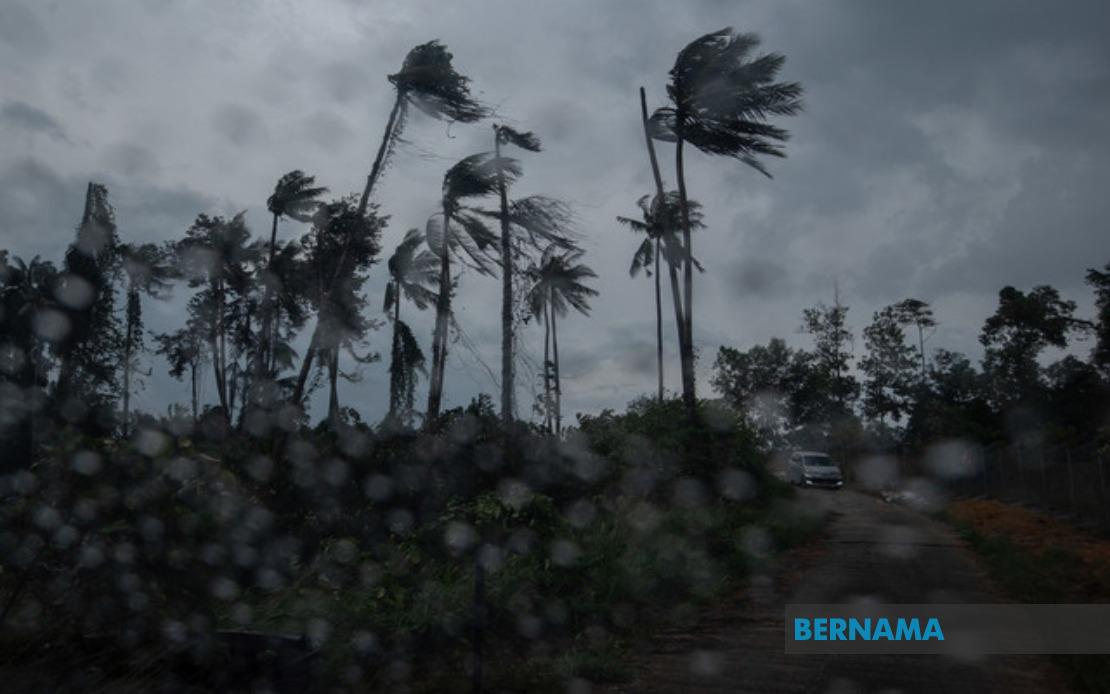
The Malaysian Meteorological Department issued a widespread weather alert on August 19, warning residents across nine states to prepare for severe thunderstorm conditions lasting until 5 pm that afternoon. The alert, released at 2.40 pm, cautioned of intensifying rainfall and gusty winds that posed potential risks to outdoor activities and transportation networks across both Peninsular Malaysia and East Malaysia.
In the northern region, six districts in Kedah face the brunt of the expected weather disturbance, with Baling, Sik, Kulim, Kuala Muda, Pendang, and Yan all listed in the warning zone. The neighbouring state of Penang is similarly affected, with both Seberang Perai Utara and Seberang Perai Tengah experiencing the same weather pattern, raising concerns for residents and commuters in these densely populated areas near the Klang Valley.
Peering southward along the west coast, Perak emerged as another significantly impacted state, with seven districts facing the thunderstorm threat. The warning encompassed Mualim, Kinta, Kampar, Batang Padang, Perak Tengah, Hilir Perak, and Kuala Kangsar, stretching across the state's diverse geography from highlands to lowlands. The central region of Peninsular Malaysia also braced for the weather system, as several districts in Pahang were included in the alert, including the elevated Cameron Highlands region alongside Lipis, Raub, Bentong, Bera, Rompin, Temerloh, and Maran.
On Malaysia's east coast, Terengganu bore the designation of affected state, with four districts—Dungun, Marang, Kuala Terengganu, and Kuala Nerus—positioned directly in the storm's path. This coastal region, already familiar with seasonal weather patterns, faced renewed disruption prospects. The warning extended further into central Peninsular Malaysia, encompassing five districts in Negeri Sembilan: Seremban, Jempol, Tampin, Kuala Pilah, and Jelebu, while southern Johor experienced more limited impacts, with only the Segamat district mentioned in the alert.
The meteorological department's reach extended across the South China Sea to Sarawak, where multiple divisions faced the impending weather system. The warning covered a substantial portion of the state including Miri with its Marudi district, Limbang on the northern border, Mukah in the central region, and the Sibu division encompassing both Sibu and Selangau. Additionally, the Sarikei division including Maradong and Sarikei, alongside Bintulu and Tatau, all featured in the alert, indicating a coordinated weather system affecting Sarawak's diverse landscape.
Sabah, Malaysia's largest state by area, similarly received thunderstorm warnings affecting multiple regions. The Interior Division faced particular concern, with six districts identified: Keningau, Tambunan, Membakut, Tenom, Sipitang, and Beaufort. The West Coast Division and Kudat district, specifically Kota Marudu, rounded out Sabah's affected areas, demonstrating that the weather disturbance spanned the state's varied terrain from mountainous interiors to coastal zones.
Thunderstorms across such geographically diverse and distant locations simultaneously underscore the scale of the atmospheric system responsible for the disruption. For residents and authorities, the warning served as critical notification requiring immediate precautions. Schools and businesses in affected areas typically implement contingency measures during such alerts, while transportation operators assess route safety and potential delays. Farmers and agricultural workers in rural districts must secure equipment and livestock, whilst construction sites often halt operations to protect workers from electrical hazards inherent to thunderstorm environments.
The cumulative effect of such warnings across nine states represents significant national weather disruption, affecting millions of residents simultaneously. From the manufacturing hubs of the northern corridor to the agricultural heartlands of the east coast and the oil-rich regions of Sarawak and Sabah, economic activities faced temporary paralysis during peak storm hours. Supply chains dependent on timely road transport experienced delays, whilst ports and airports in affected regions implemented enhanced safety protocols.
MetMalaysia's precision in identifying specific districts rather than entire states demonstrates the refinement of modern weather forecasting technology available to Malaysian authorities. This granular approach enables residents and businesses to make targeted preparations rather than blanket precautions, improving resource allocation and minimising unnecessary disruptions in unaffected nearby areas. However, the warning's brevity—affecting only the afternoon period until 5 pm—suggested a transient system rather than prolonged inclement weather, offering some relief to those in the affected zones.
For those in warned districts, the meteorological department's guidance typically emphasises avoiding outdoor activities, securing loose objects that strong winds might dislodge, and remaining indoors during peak storm intensity. Drivers face heightened visibility challenges and slippery road conditions, necessitating reduced speeds and enhanced caution. Emergency services across all nine states stood ready for weather-related incidents, from flash flooding in low-lying areas to fallen tree branches and electrical hazards from lightning strikes.

