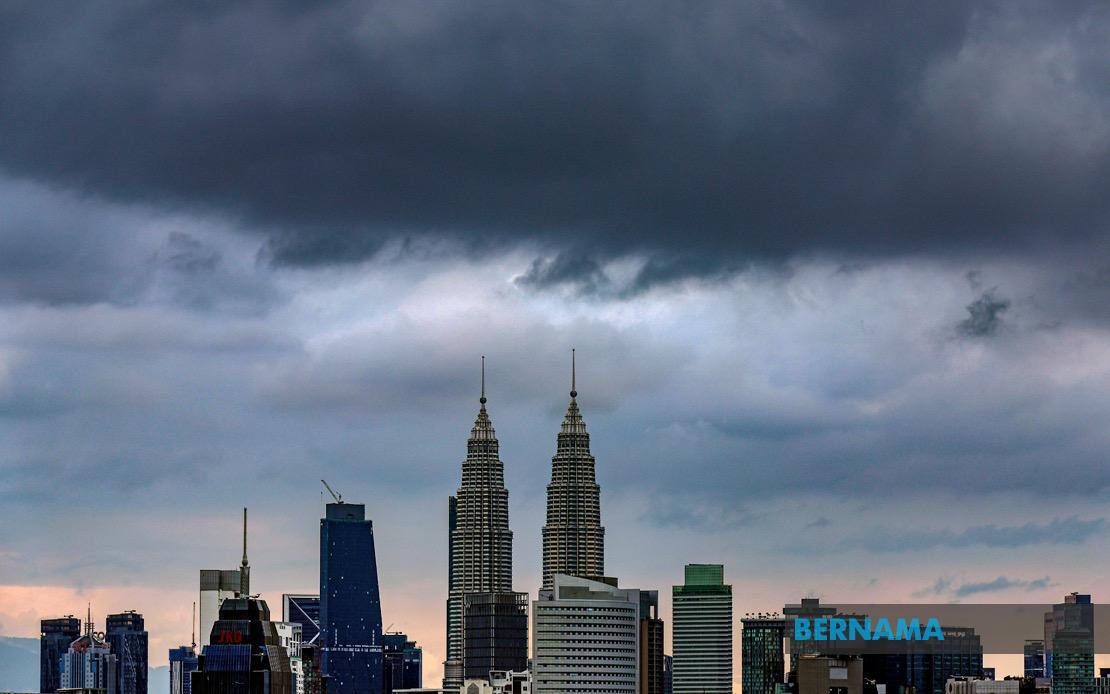
The Malaysian Meteorological Department has activated a weather alert spanning multiple population centres and states, warning of potentially hazardous atmospheric conditions developing across much of the peninsula. The advisory, released on 23 July, encompasses Kuala Lumpur, Putrajaya, and substantial portions of nine additional states, with forecasters predicting the most intense weather activity to subside by 3 pm. Residents, commuters, and businesses in affected zones have been advised to exercise caution and prepare contingency measures against the anticipated severe conditions.
Among the states flagged in the alert, Kedah faces exposure in its northern and central districts, specifically in the municipalities of Yan, Pendang, Kuala Muda, Sik, Baling, Kulim and Bandar Baharu. Similarly, Perak's Kerian district and the combined Larut, Matang and Selama region are under the warning. The geographical spread underscores the broad-based nature of the weather system, suggesting an organised weather pattern capable of affecting large swathes of the country simultaneously. This type of dispersed coverage typically indicates the presence of a mesoscale convective system or strong monsoonal influence.
The entirety of Penang state remains under the alert throughout the prescribed period, reflecting the vulnerability of the state's northern location to maritime moisture and atmospheric instability. Selangor, which shares direct borders with Kuala Lumpur and encompasses the densely populated Klang Valley, experiences warnings affecting its southern and western peripheries, including Kuala Selangor, Klang, Gombak, Petaling, Kuala Langat, Hulu Langat and Sepang. These localities account for a significant portion of the nation's economic output and contain millions of commuters and residents who depend on functional transportation networks and utilities during extreme weather.
Pahang's Rompin district, situated along the east coast's southern reaches, is similarly monitored, though it faces the warning with less densely populated surroundings compared to west coast counterparts. Negeri Sembilan's alert extends to Seremban, Port Dickson, Rembau and Tampin, covering both inland and coastal components of the state. Melaka, despite its smaller geographical footprint, remains positioned within the weather system's trajectory. Johor's southern and central municipalities—Tangkak, Segamat, Muar, Batu Pahat and Kluang—round out the affected jurisdictions, indicating the alert's reach extends deep into peninsular Malaysia's southern regions.
The predicted meteorological phenomena carry multiple hazard dimensions. Thunderstorms of sufficient intensity to warrant an official advisory typically produce localised flooding, particularly in drainage-prone areas and unplanned settlements. Strong wind gusts accompanying such systems pose risks to construction sites, outdoor installations, and vehicular safety on exposed stretches of highway. Heavy rainfall, the third component of the alert, threatens to overwhelm urban stormwater systems, especially in cities where infrastructure predates current rainfall intensity projections influenced by climate variability. During the monsoon transition period around late July, such convergent weather patterns become increasingly common across Malaysia's peninsula.
The 3 pm conclusion time suggested by MetMalaysia indicates forecasters anticipate the system's most disruptive phase to concentrate during midday and early afternoon hours. This timing creates specific challenges for workers commuting during traditional office hours, school operations, and daily commercial activities. The timing also necessitates careful coordination between emergency management authorities and transportation operators, who must balance service continuity against passenger safety considerations. Road accidents often spike when thunderstorms coincide with peak traffic periods, particularly on major expressways traversing zones designated in the alert.
For businesses and industrial operations within the alert zones, the warning presents operational considerations requiring advance planning. Manufacturing facilities with sensitive equipment, logistics hubs dependent on roadway access, and construction projects must implement weather protocols. Healthcare facilities in affected areas activate contingency staffing and supply chain procedures to maintain service continuity. Schools within the warned districts coordinate with parents regarding early dismissal policies or sheltering procedures should conditions deteriorate.
Citizens should monitor updates from MetMalaysia closely, as severe weather alerts can be extended or intensified as atmospheric conditions evolve. The department regularly issues supplementary advisories when developments warrant extension of warnings beyond initially projected timeframes. Checking the agency's website or mobile application provides access to the most current, granular forecasts specific to individual districts. Residents are encouraged to secure loose outdoor items, ensure drainage channels remain clear, and avoid unnecessary outdoor activities during the warning period.
The alert demonstrates the ongoing atmospheric challenges posed by Malaysia's tropical location and complex topography. As weather patterns continue reflecting longer-term climatic shifts, accurately forecasting and communicating severe weather risks remains fundamental to public safety infrastructure. MetMalaysia's proactive issuance of such alerts represents the intersection of meteorological science and emergency preparedness, providing communities with critical advance notification enabling protective action. Compliance with official advisories and preparedness measures can substantially reduce injury, property damage, and disruption when severe weather materialises.

