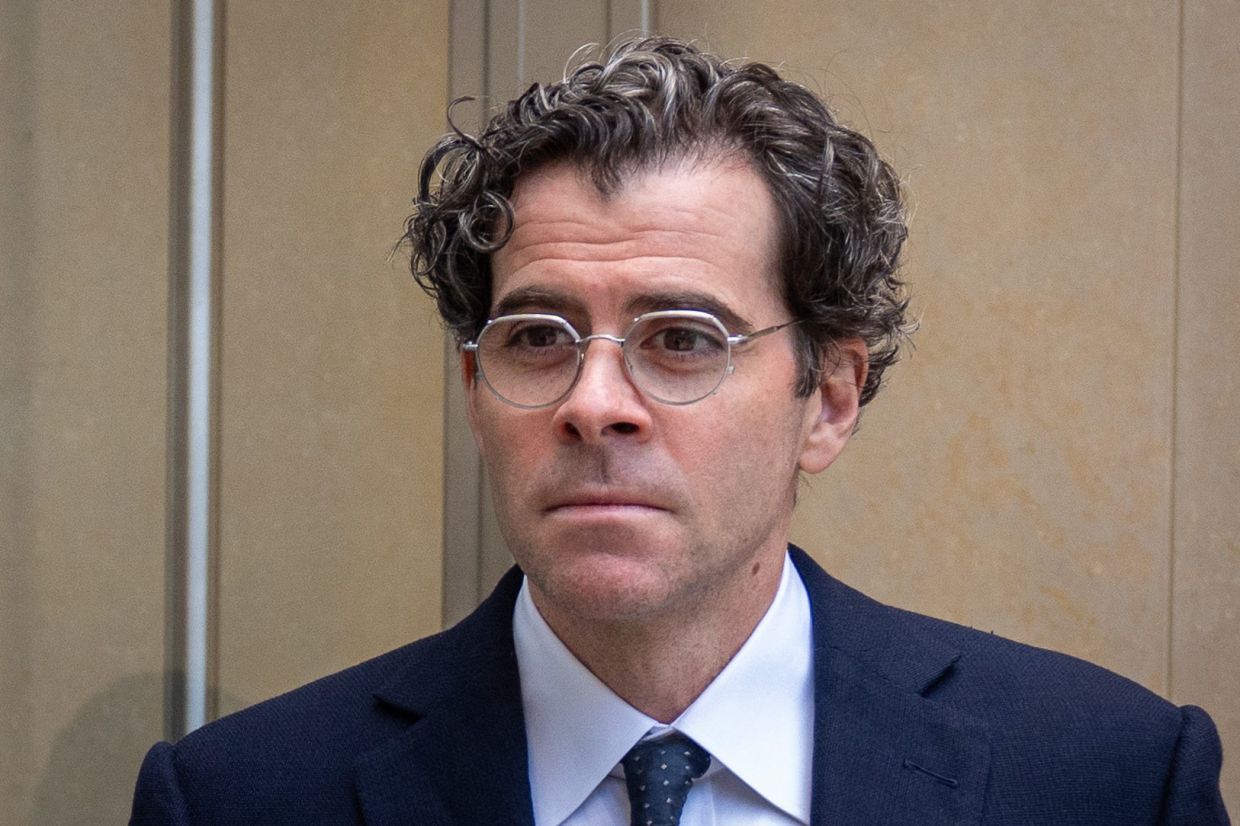
Meta's chief executive for Instagram, Adam Mosseri, found himself under intense scrutiny during the second week of a landmark legal challenge brought by 29 US states accusing the technology giant of deliberately engineering its platforms to addict children while harvesting their personal data. The trial, which began in late August and is expected to extend through late September, has exposed a troubling disconnect between Meta's public statements about protecting young users and the actual effectiveness of its safety mechanisms, raising serious questions about corporate accountability in the digital age and the vulnerabilities of adolescents in the social media ecosystem.
The litigation centres on two protective features that Meta introduced to address mounting concerns about the platform's impact on teenage mental health and screen time habits. Take a Break, which became available in 2021, was designed to prompt users to stop browsing through reminders, while Quiet Mode, rolled out in 2023, automatically silences notifications during late-night hours when users should ideally be sleeping. These tools represented Meta's public-facing response to criticism that Instagram was optimised for addiction, yet internal data revealed to the court painted a starkly different picture of their real-world deployment and effectiveness.
A lawyer from Colorado's Attorney General office, Jason Slothouber, pressed Mosseri during questioning about why usage of these ostensibly important safety mechanisms remained dismally low. When confronted with the statistics, Mosseri attempted to reframe the narrative, acknowledging that adoption had been disappointing initially but claiming it had subsequently improved following changes to how the features were implemented. His testimony suggested an organisation caught between competing pressures: the desire to appear responsive to child safety concerns while maintaining the engagement metrics that drive advertising revenue.
The gap between Meta's public messaging and internal reality became starkly apparent through examining the company's own communications. Just one day before Mosseri testified before the US Congress in December 2021 about social media's negative impacts on young people, Meta published a blog post authored by the executive highlighting new safety features for teenagers. The post cited impressive statistics, claiming that more than 90 percent of teens who activated the reminder feature kept it enabled. This assertion, however, contained a crucial mathematical sleight of hand that Meta failed to adequately disclose: the figure referred only to users who had already chosen to activate the reminder, not the broader teen user base.
Internal Meta documents presented to jurors revealed the true scope of adoption rates across the Instagram user demographic most vulnerable to the platform's effects. Take a Break achieved an adoption rate of just 1.8 percent among eligible users, while Quiet Mode managed 8.7 percent uptake. These numbers represent a devastating indictment of Meta's approach, suggesting that the vast majority of teenagers remained unexposed to these protective mechanisms, continuing to scroll for hours without any system-generated intervention encouraging moderation. The company's decision not to make these tools default settings for younger users, despite internal evidence that doing so would improve adoption, proved particularly damning during testimony.
Francesco Fogu, Meta's director of product design at Instagram, made a remarkable admission during cross-examination on the trial's second week. When confronted with internal adoption rate data, Fogu claimed he was unaware of the specific percentages, yet simultaneously conceded that the company fully understood adoption would remain minimal unless these safety features were automatically enabled by default. Judge Yvonne Gonzalez Rogers, who will ultimately determine the case using jury guidance, visibly expressed her astonishment that a senior product design executive could be unfamiliar with such fundamental metrics about features bearing directly on child safety—a response that underscored the apparent indifference within Meta's leadership structure toward genuine protective implementation.
The question of why Meta did not simply enable these safety tools by default for teenage users proved central to understanding the company's priorities. According to testimony from George Volichenko, a data scientist who worked on Instagram's safety features during 2022 and 2023, leadership deliberately rejected proposals to turn on Quiet Mode automatically for younger adolescents. The rationale, Volichenko explained, was that such a change would produce a "notable negative impact" on user engagement metrics—the core measurement upon which Meta's advertising business and stock valuation depend. This choice epitomised Meta's fundamental business conflict: maximising screen time and user attention directly contradicts meaningful protections against problematic usage patterns among vulnerable populations.
Former employees provided independent corroboration of the safety tools' limited real-world value. Arturo Bejar, who served as an engineering director at Meta, testified that in his professional assessment, Take a Break was essentially "a feature that's designed to fail," suggesting the mechanism was never genuinely intended to substantially alter user behaviour. Volichenko similarly characterised the adoption rates as "very low and disappointing," likening Meta's token protective measures to "a drop in the ocean" against the scale of teenage engagement with the platform. Both witnesses painted a picture of corporate leadership fundamentally disinterested in substantively increasing usage of tools that would necessarily reduce the time younger people spent scrolling and absorbing targeted advertisements.
The financial stakes of the litigation extend far beyond this single trial. Should Meta be convicted on the allegations brought by the 29 states, the coalition is seeking damages of approximately USD200 billion (RM805.46 billion), a sum that would represent an extraordinary penalty capable of forcing fundamental restructuring of how Meta conducts its business operations. For Malaysian and Southeast Asian stakeholders, the case carries significant implications, as similar regulatory frameworks may eventually emerge in the region, particularly given growing concerns among ASEAN governments about social media's effects on young people. A major adverse judgment against Meta could accelerate momentum toward stricter platform regulation globally and establish precedents for how technology companies must genuinely implement child protection measures rather than merely performing compliance through ineffective tokenistic gestures.

