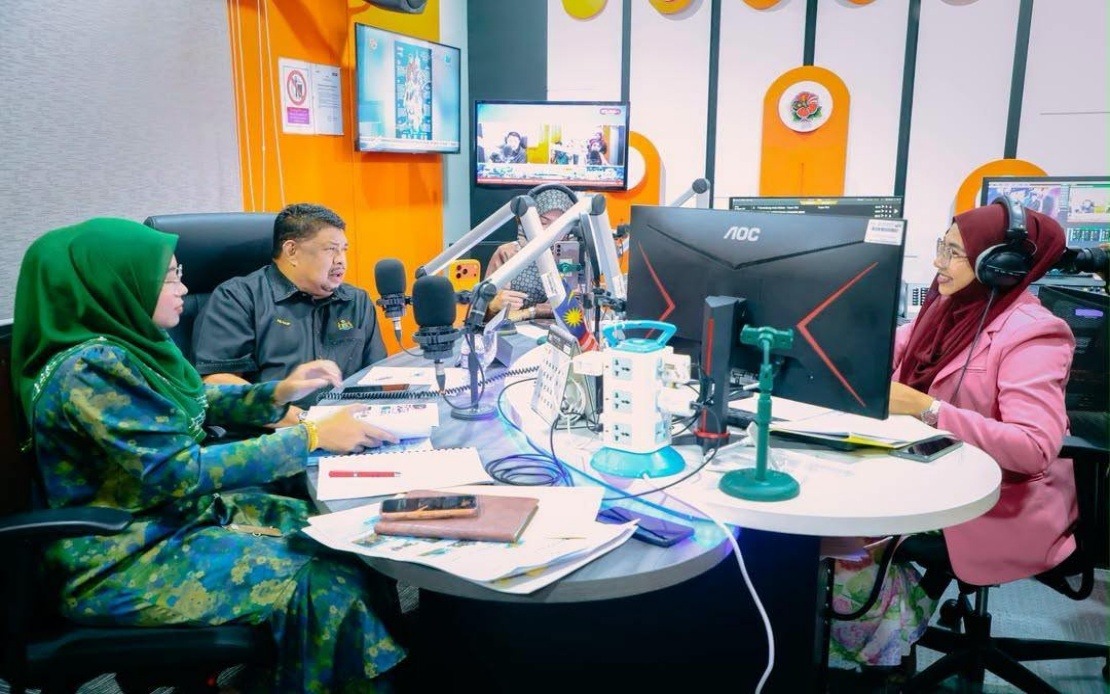
Melaka's National Day festivities are set to take centre stage at a fresh coastal venue this year, with the state government unveiling an ambitious programme that underscores the integration of civil-military cooperation into public celebration. Chief Minister Datuk Seri Ab Rauf Yusoh revealed that Dataran 1Malaysia Klebang will host the state-level observance from August 29 to 31, marking a departure from Dataran Pahlawan where ceremonies have been staged for the preceding two years. The shift to a larger waterfront space signals an intention to accommodate expanded activities and offer residents a distinctly different experience centred on demonstrating Malaysia's defence capabilities alongside cultural expression.
A centrepiece of the three-day programme is the Civil-Military Cooperation (CIMIC) Carnival, launching on the morning of August 30. This initiative represents a growing trend across Malaysia to present military assets and personnel to civilian audiences in festival settings, fostering public appreciation for the armed forces while maintaining accessibility and engagement. Three Royal Malaysian Navy warships will be positioned offshore at Klebang, enabling visitors to approach and tour these vessels—a rare opportunity for most Malaysians to experience defence assets in tangible, close proximity rather than through media coverage alone. The decision to berth naval vessels off a populated coastal area reflects confidence in security protocols and a deliberate strategy to demystify military operations for the general public.
Beyond the naval component, the carnival will showcase the technical sophistication and operational reach of Malaysia's armed forces. Parachute demonstrations will illustrate rapid-deployment capabilities, while fighter-jet and helicopter flypasts will demonstrate aerial prowess. Special forces units will present tactical demonstrations designed to highlight training standards and operational readiness. These displays serve multiple functions: they entertain and impress spectators, they reinforce domestic confidence in national defence infrastructure, and they project military strength in a geopolitically nuanced region where neighbouring countries maintain substantial armed capabilities. For Malaysian audiences, such exhibitions underscore substantial investment in defence technology and personnel preparation.
The carnival complements rather than displaces cultural programming, reflecting an evolving understanding of how National Day can encompass both martial and civilian dimensions. Merdeka Eve festivities on August 30 evening will feature performances by established Malaysian entertainment figures including Ziana Zain, Amy Search, and Charly Van Houten, alongside unspecified cultural activities. This programming acknowledges that national celebrations must balance patriotic symbolism rooted in defence and sovereignty with entertainment value that encourages broad public participation. The involvement of recognisable performers likely aims to attract diverse demographic groups and sustain engagement across the three-day calendar.
August 31, the actual Merdeka Day, will centre on traditional parade elements reimagined for the expanded Klebang venue. Contingents representing various sectors and communities will march along a lengthened coastal route, while vehicle processions displaying military and civilian assets will proceed through the grounds. Ethnic and cultural performances will showcase Malaysia's multicultural identity, with field events providing interactive engagement opportunities. A floats parade will conclude daytime activities, offering visual spectacle and thematic storytelling about national development and unity.
Religious observance remains integrated into the secular celebration. The Melaka Berselawat programme on August 29 will commence festivities with congregational prayers and qasidah performances, followed by a religious address from guest speaker Habib Syech Assegaf. This component acknowledges Islam's central role in Malaysian public life and ensures that celebrations remain inclusive of religious dimensions important to a Muslim-majority nation, while the programme's structure permits citizens of all faiths to participate in broader national observance.
Practical arrangements reflect government preparation for anticipated high attendance. Two thousand public grandstand seats will accommodate spectators at premium viewing locations, with additional seating available along parade routes. The provision of nearly five thousand parking spaces distributed across eleven separate facilities indicates expectations of substantial visitor numbers. Shuttle bus services connecting parking areas to the venue address accessibility concerns, particularly for elderly residents, families with young children, and those without private vehicles. These logistical features distinguish this celebration from previous iterations and suggest lessons learned regarding crowd management at state-level events.
Traffic management and security protocols have been pre-planned to accommodate both rehearsal activities preceding the celebration and the event itself. Scheduled road closures and traffic control measures will be implemented according to fixed timetables, allowing residents and potential visitors to plan journeys and minimise disruption to regular Klebang area movement. This structured approach contrasts with ad-hoc arrangements that sometimes characterise major public events in Malaysia and signals the state government's commitment to balancing celebratory ambitions with practical impacts on daily life.
For Malaysian observers, this expanded celebration illustrates how states leverage national commemorations to showcase development, attract visitors, and demonstrate administrative competence. The shift to Klebang, with its waterfront setting and established recreational infrastructure, positions Melaka as a destination for National Day tourism—a growing phenomenon as states compete to present memorable public events. The military-civilian cooperation framing appeals to contemporary emphases on national security consciousness and defence investment, themes resonating across Southeast Asia amid regional geopolitical considerations and defence modernisation priorities.
The involvement of federal armed forces in state-level celebrations underscores Malaysia's centralised defence structure while providing platforms for military-public interaction. Such collaborations normalise military presence in civilian spaces and contribute to civil-military relations that have historically characterised Malaysian governance. The CIMIC concept itself, emphasising cooperation rather than separation, reflects institutional approaches to maintaining military legitimacy within democratic frameworks. For residents of Melaka and visitors from other states, the celebration offers entertainment, national affirmation, and direct exposure to defence capabilities—objectives that drive governmental decisions regarding celebration format and content.

