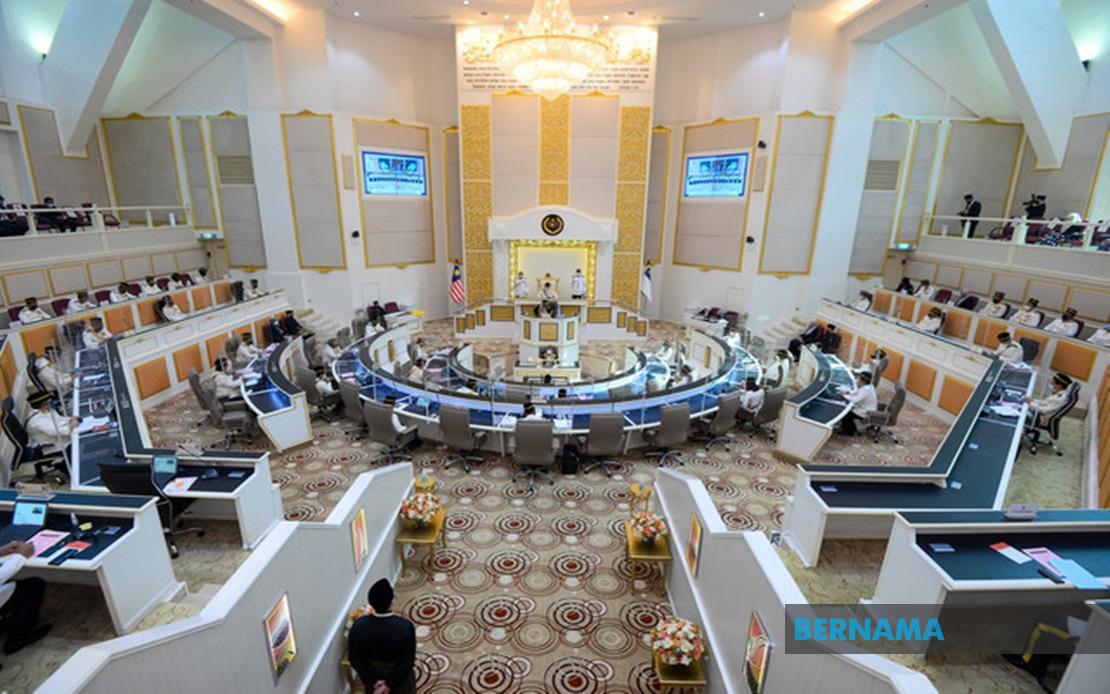
Residents of Bukit Rambai in Melaka could soon benefit from a significantly upgraded healthcare facility, though final approval remains subject to budgetary considerations expected later this year. The proposed Type 3 Health Clinic, slated for location directly opposite the existing facility, represents a substantial infrastructure investment aimed at modernising primary healthcare delivery in the district. During proceedings in the Melaka state assembly, the State Health, Human Resources and Unity Committee chairman Datuk Ngwe Hee Sem confirmed that the project proposal has been formally submitted to the Ministry of Economy under the Rolling Plan 2 framework of the broader 13th Malaysia Plan, with the critical funding decision anticipated when Parliament tables the 2027 Budget in October.
The groundwork for this ambitious healthcare initiative has already progressed substantially. Site preparation activities have been concluded, removing one of the initial hurdles that often delays public infrastructure projects in Malaysia. The development timeline, if approved and subsequently funded, envisages a three-year construction period, suggesting that residents could potentially access the new facility by the early 2030s. This phased approach allows project planners to sequence construction phases strategically while maintaining operations at the existing clinic, ensuring continuity of healthcare services throughout the building process.
What distinguishes this proposed clinic from the current facility is the comprehensive range of additional services it will introduce to Bukit Rambai's healthcare landscape. Beyond the primary care functions of the existing clinic, the new Type 3 facility will incorporate diagnostic imaging capabilities through radiology and X-ray services, addressing a current gap that frequently requires residents to travel to larger urban centres. The dental component represents another significant addition, with provisions for five dedicated dental chairs enabling the clinic to handle preventive care, routine treatments, and restorative procedures that are currently unavailable locally.
The expanded service portfolio extends further into specialist and allied health domains, reflecting contemporary approaches to comprehensive primary healthcare. Optometry services will provide vision screening and basic eye care, while physiotherapy and occupational therapy will support patients recovering from injuries or managing chronic conditions. Speech therapy services address developmental and acquired communication disorders, particularly benefiting elderly residents and children with specific needs. The inclusion of nutrition and dietetics services reflects growing recognition that dietary counselling forms an essential component of prevention and management of non-communicable diseases, increasingly prevalent in Malaysian communities.
Mental health and psychosocial support dimensions have also been incorporated into the clinic's planned service structure. Counselling psychology services will address mental health concerns, stress management, and emotional wellbeing, addressing a healthcare gap that has widened as awareness of mental health issues has increased across Malaysia. Medical social work services will facilitate referrals, coordinate care pathways, and provide practical assistance to vulnerable populations navigating the healthcare system.
Beyond individual clinical services, the new clinic will strengthen systemic capacity across multiple healthcare functions. Outpatient departments will benefit from improved physical infrastructure and reduced crowding, enabling more efficient patient flow and consultation processes. Emergency response capabilities will be enhanced, supporting better management of acute conditions and minor injuries that currently overwhelm primary care facilities. Maternal and child health services, fundamental pillars of public health, will receive dedicated resources and attention, contributing to improved maternal outcomes and early childhood health monitoring.
Laboratory and pharmacy functions will be substantially upgraded, enabling point-of-care testing and medication dispensing that currently requires referrals to secondary facilities. Health promotion activities, crucial for disease prevention and community health education, will receive institutional support through dedicated staff and facilities. School health services will be integrated more effectively, supporting screening programmes and health education in educational institutions throughout the district. This integrated approach acknowledges that healthcare extends beyond clinical treatment into prevention, health literacy, and upstream interventions that reduce disease burden.
The anticipated benefits of this expansion carry particular significance for the Bukit Rambai population and surrounding communities. Improved patient comfort through better-designed facilities and shorter waiting times responds to persistent complaints about overcrowding in primary healthcare settings. Decongestion of the existing clinic will improve service delivery velocity and reduce unnecessary delays, particularly for urgent cases. The strengthened comprehensive service capability should reduce inappropriate referrals to secondary and tertiary facilities, improving efficiency across the healthcare system and reducing patient costs and travel burdens.
For Malaysian healthcare planning perspectives, the Bukit Rambai project reflects broader national strategies to strengthen primary healthcare infrastructure and distribute specialist services more equitably across regions. As healthcare systems worldwide increasingly recognise primary care as the foundation of effective, efficient population health management, expanding such facilities in suburban and semi-urban areas addresses geographic inequities in healthcare access. The project demonstrates commitment to moving beyond centralised hospital-centric models toward distributed networks of capable primary care facilities.
However, the October 2027 Budget announcement remains the critical juncture determining whether this proposal advances from planning to implementation. Budgetary constraints and competing national priorities mean that even well-planned, site-ready projects can face delays or scaling adjustments. The Melaka state government and community stakeholders will be monitoring Parliament's budget allocations closely, as approval will signal the government's commitment to this specific development and provide the financial framework enabling construction to commence within a reasonable timeframe.

