The Perbadanan Pembangunan Sungai dan Pantai Melaka (PPSPM) is pressing ahead with ambitions to welcome one million passengers aboard the Melaka River Cruise before the year concludes, even though the operator must overcome a substantial passenger gap to realise this goal. According to PPSPM chief executive officer Shaharul Azuar Idris, the cruise service has transported approximately 350,000 travellers through June, leaving the organisation facing the challenge of attracting roughly 650,000 additional visitors in the second half of the year—a requirement that demands approximately 60 per cent growth from current trajectory.
The gap between current performance and year-end aspirations underscores both the ambition and the challenges facing Melaka's flagship tourism attraction. Shaharul Azuar acknowledged this arithmetic frankly whilst emphasising the operator's commitment to bridging the divide through strategic commercial interventions. The organisation is deploying a multipronged approach centred on competitive pricing and intensified marketing both domestically and internationally, positioning the river cruise as an essential experience within Melaka's tourism portfolio. These efforts reflect growing recognition that Melaka must continually enhance its appeal to maintain visitor flows in an increasingly competitive regional tourism landscape.
The current boat fleet comprises 60 vessels, with operational divisions that reflect the breadth of PPSPM's water-based attractions. Thirty boats service the principal Melaka River Cruise along the waterway's scenic stretches, whilst the remaining thirty operate the Eco Cruise experience at Tasik Chinchin, a separate aquatic offering targeting environmentally-conscious travellers. This distributed fleet structure allows PPSPM to manage capacity across multiple revenue streams, though it also requires careful coordination to prevent bottlenecks during peak demand periods.
Capital investment in newer and upgraded vessels represents a cornerstone of PPSPM's competitive strategy. The organisation is evaluating proposals to introduce boats equipped with contemporary navigation and safety technologies, recognising that ageing equipment can undermine operational efficiency and passenger confidence. Simultaneously, existing premium vessels have undergone refurbishment—notably the 'Everlasting Love Boat' and 'Tun Khalil Cruise'—with enhancements focused on passenger experience quality. The introduction of dining-on-board services reflects understanding that modern cruise passengers increasingly value experiential packages combining transport with gastronomy and hospitality.
Beyond commercial operations, PPSPM is leveraging public initiatives to broaden passenger access and political goodwill. The state government's Melaka Sayang Rakyat (MeSRa) programme will furnish complimentary rides to over 5,000 visitors during National Day festivities on August 31. This subvention strategy achieves multiple objectives simultaneously: it distributes state resources to residents whilst generating the volume numbers necessary for achieving annual targets and demonstrating the cruise's significance to Melaka's economic and cultural identity. The timing around National Day celebrations creates natural promotional opportunities and contextualises the cruise within patriotic narrative frameworks.
Operational readiness for this anticipated surge reflects mature planning. PPSPM has committed to deploying adequate staffing levels and ensuring sufficient vessel availability to minimise queue times and boarding delays. Such logistical attention addresses common complaints afflicting popular attractions, where overcrowding can damage customer satisfaction and discourage repeat visitation. The emphasis on queue management and swift embarkation suggests that PPSPM has studied international best practices in high-volume cruise operations and is applying those lessons to its Melaka context.
For Malaysian tourism stakeholders, the cruise's trajectory carries broader significance beyond Melaka's borders. River-based attractions offer sustainable tourism models that distribute visitor spending across riparian communities and minimise environmental footprints compared to intensive land development. The Melaka River Cruise's pursuit of volume targets whilst simultaneously enhancing service quality demonstrates how regional destinations can balance growth ambitions with visitor satisfaction—a lesson increasingly relevant as Southeast Asian tourism recovers and expands post-pandemic. Success in achieving the one million passenger milestone would validate river tourism as a viable economic driver for other Malaysian states considering similar water-based developments.
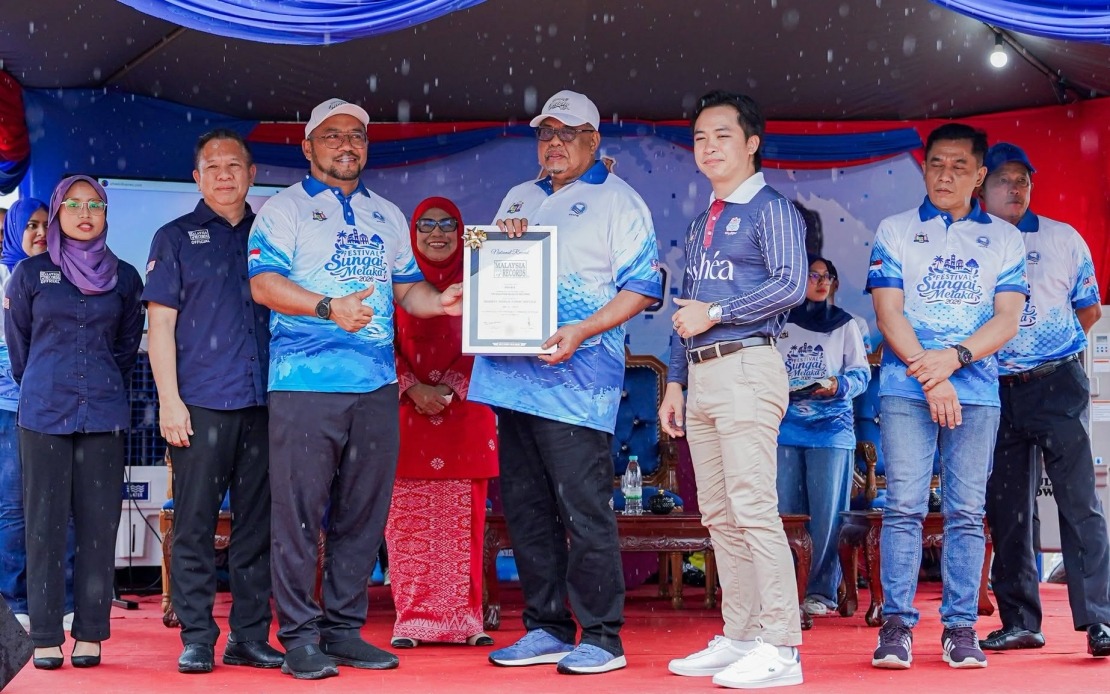
The announcement of these ambitious targets occurred during a Malaysia Book of Records (MBOR) ceremony recognising winners of the Melaka River Festival 2026, reflecting PPSPM's integration within broader cultural and commemorative frameworks. Melaka Chief Minister Datuk Seri Ab Rauf Yusoh's official presence underscored state government backing for tourism development, signalling political commitment to the sector's advancement. Such ceremonial endorsement matters substantially in Malaysia's political economy, where ministerial support often facilitates regulatory approvals, infrastructure investments, and promotional budgeting.
The challenge ahead remains formidable but not insurmountable. Achieving 650,000 additional passengers within approximately six months requires sustained marketing effectiveness, consistent service delivery, and favourable conditions in both domestic and international tourism markets. Whilst the operator's confidence appears warranted given infrastructural investments and promotional intensity, external factors—economic downturns, visa complications, regional security concerns, or competing attractions—could impede targets. Nevertheless, PPSPM's strategic approach suggests leadership cognisant of contemporary tourism dynamics and willing to invest substantially in maintaining Melaka's competitiveness within the broader Southeast Asian tourism ecosystem.

