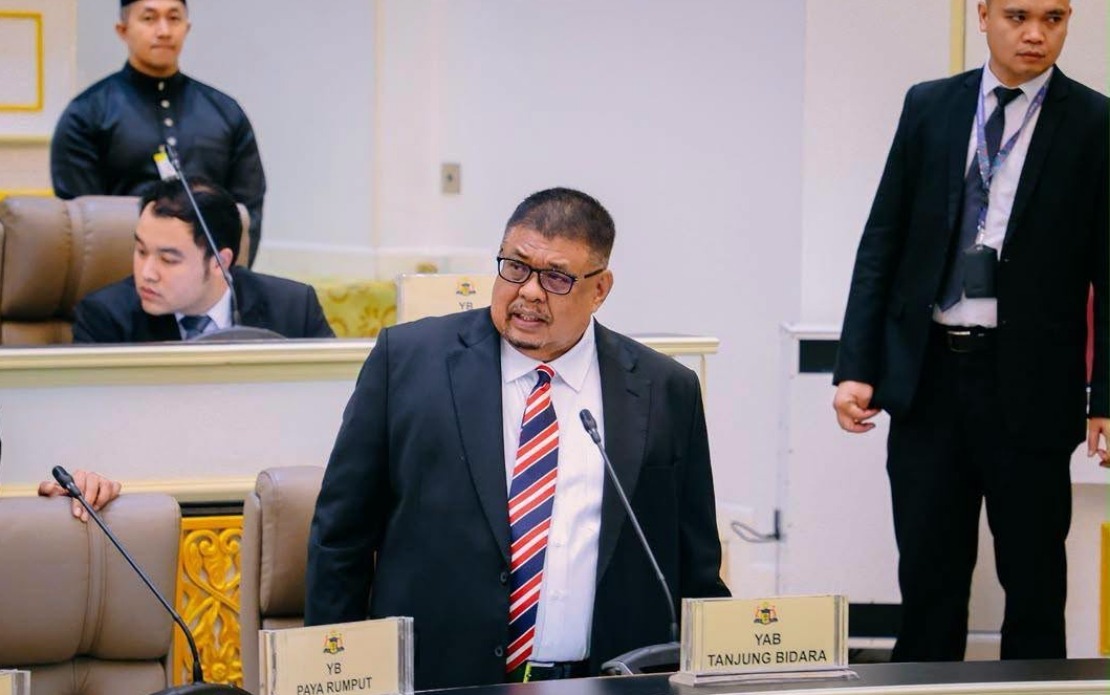
Melaka's administration will maintain full operational capacity and continue delivering public services despite the Democratic Action Party's withdrawal from the state government coalition, Chief Minister Datuk Seri Ab Rauf Yusoh declared on Tuesday. The assurance came after four DAP assemblymen announced their resignations from the administration, prompting concerns about potential governance gaps in the eastern coast state.
Speaking at the Seri Negeri Complex in Ayer Keroh, Ab Rauf emphasised that the departure would not compromise the state's developmental agenda or administrative efficiency. He sought to reassure civil servants, investors, and the business community that institutional functions would remain intact and that the government would maintain its commitment to systematic service delivery. The statement represents a carefully calibrated effort to prevent market sentiment or investor confidence from suffering following the political realignment.
The four departing DAP representatives—Allex Seah Shoo Chin from Kesidang, Low Chee Leong from Kota Laksamana, Leng Chau Yen from Banda Hilir, and Kerk Chee Yee from Ayer Keroh—submitted their resignations immediately after the State Legislative Assembly approved a constitutional amendment permitting the appointment of state assemblymen rather than relying solely on elected representatives. This mechanism effectively allows the ruling coalition to maintain its numerical strength without fresh elections, a contentious procedural change that precipitated the DAP's exit.
Ab Rauf adopted a notably measured tone regarding the party's departure, explicitly declining to question DAP's decision-making rationale or cast aspersions on its motivations. Rather than escalating rhetorical tensions, the Chief Minister framed the split as a disagreement over governance principles while maintaining that ideological differences need not translate into adversarial relations. His emphasis on preserving the defence of Melaka's interests despite coalition dissolution suggests an attempt to establish common ground for future cooperation on state-level matters.
The vacant executive council position will remain unfilled temporarily, with Ab Rauf indicating that existing administrative members will absorb the associated responsibilities. This decision likely reflects both practical considerations—the administrative learning curve for a new appointee—and the symbolic message that the government remains functional and capable of managing adjustments without requiring immediate replacements. The distribution of duties among current office-holders also preserves the salary allocation within the executive structure.
Prime Minister Datuk Seri Anwar Ibrahim had urged the Melaka DAP to reconsider their resignation and postpone the decision to prioritise state development and welfare initiatives. However, Ab Rauf noted that the party's withdrawal became irreversible once resignation letters were formally submitted following DAP's public announcement, rendering further negotiations moot. This sequence of events underscores the procedural finality of resignations under Malaysian constitutional frameworks and reflects the compressed timeline in which the crisis unfolded.
The Melaka coalition realignment carries implications for broader federal governance dynamics. The relationship between Putrajaya and the state administration remains strategically significant, particularly given Melaka's geographic position and economic importance along the western seaboard. Ab Rauf's commitment to maintaining strong relations with the federal government signals continuity in developmental coordination and resource allocation, critical for infrastructure and investment initiatives.
For regional observers monitoring Malaysian coalition politics, the Melaka episode demonstrates the fragility of multi-party governing arrangements and the leverage wielded by minority coalition partners. Constitutional amendments affecting assembly composition represent substantial governance shifts that require negotiated consensus among coalition members. DAP's departure reflects a principled stance on democratic representation and appointment mechanisms, positioning the party as defending electoral legitimacy against what it views as expedient institutional manipulation.
The administrative continuity that Ab Rauf promises is achievable given that most executive functions reside in permanent civil service structures rather than political positions. The chief administrative officer's department, state secretariat, and departmental machinery will continue normal operations regardless of coalition composition. However, political decision-making on budgetary priorities, development allocation, and strategic policy direction may face complications without DAP's representation on the executive council, particularly if the remaining coalition members hold divergent views on certain state initiatives.
The constitutional amendment enabling assembly appointments rather than relying exclusively on electoral outcomes reflects broader tensions within Malaysian federalism regarding democratic legitimacy and executive efficiency. While such mechanisms provide flexibility in managing parliamentary arithmetic, they remain controversial among parties emphasising transparent democratic processes and voter accountability. DAP's objection likely resonates with portions of Melaka's electorate concerned about governance standards and representative responsiveness.
Melaka's political composition and economic trajectory will merit continued monitoring in coming months. The state's tourism sector, port operations, and manufacturing base depend partly on policy consistency and investor confidence. Any major service delivery disruptions or administrative confusion could ripple through the regional economy, though Ab Rauf's assurances suggest the government intends to avoid such complications. The remaining coalition partners now exercise greater proportional influence within the administration, potentially reshaping policy priorities depending on their respective political agendas and constituencies.
The Chief Minister's gracious tone toward DAP representatives, combined with his emphasis on non-adversarial coexistence, suggests a pragmatic recognition that Melaka remains a competitive political arena where future coalitional arrangements may become necessary. Preserving institutional relationships and avoiding personalised conflict creates space for potential future cooperation, whether on specific legislative matters or broader state interests. This diplomatic approach contrasts with more combative political narratives that occasionally dominate Malaysian discourse.

