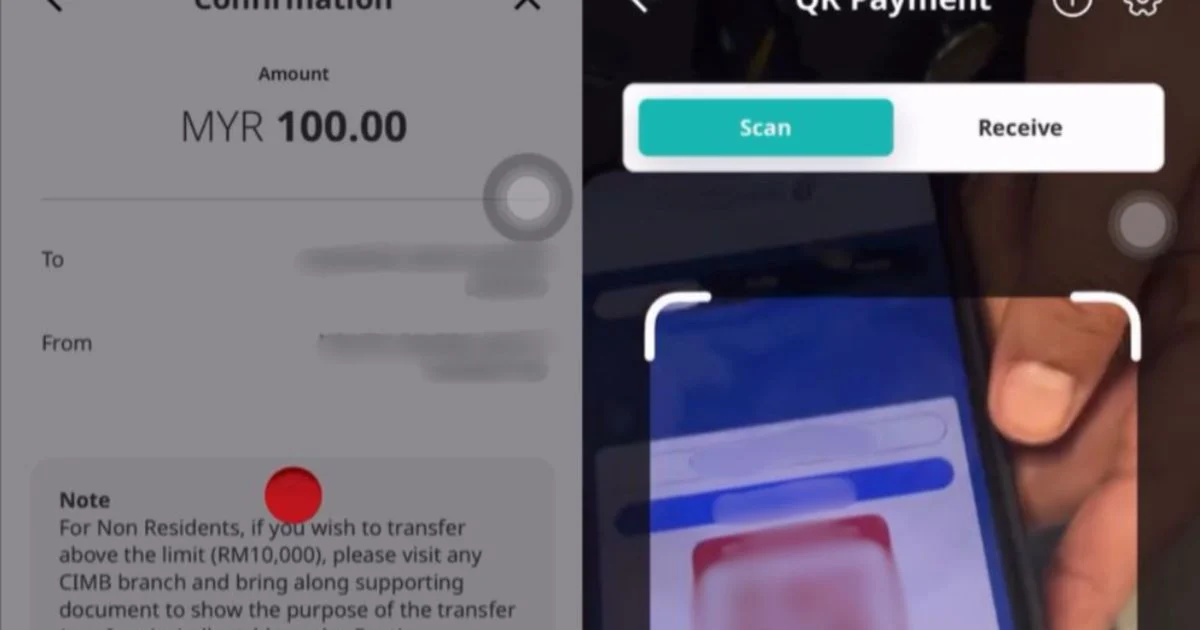
The Malaysian Border Control and Protection Agency has initiated a formal internal investigation after receiving allegations that an officer stationed at Kuala Lumpur International Airport's Terminal 2 received a personal payment of RM100 through a QR code transaction. The development marks another chapter in ongoing scrutiny of conduct standards among border personnel at the nation's primary aviation hub, which processes millions of international passengers annually.
The specifics of the alleged transaction remain under examination, but the use of a personal QR payment method suggests the officer may have circumvented official payment channels and documentation procedures. Such arrangements, whether intentional or inadvertent, undermine the transparency and accountability mechanisms designed to govern financial interactions between border officials and the travelling public. The incident has prompted the agency to scrutinise whether protocols governing acceptable conduct and financial transactions were properly followed.
KLIA Terminal 2, which primarily serves budget and regional carriers, experiences exceptionally high passenger volumes daily. The scale of foot traffic creates numerous interaction points between enforcement officers and travellers, making institutional safeguards and individual integrity particularly critical. Any lapses in procedure at this gateway can amplify systemic vulnerabilities and erode public confidence in border management systems that protect Malaysia's entry points.
The investigation underscores broader organisational challenges facing the MCBA as it seeks to maintain operational standards across multiple airports and maritime checkpoints throughout the country. Personnel conduct violations—whether involving unauthorized payments, procedural shortcuts, or other breaches—periodically surface at Malaysian border facilities. Each incident necessitates internal review mechanisms that must balance investigative rigour with fair process for the officer involved.
From a traveller perspective, incidents of this nature raise legitimate concerns about consistency and equity in border processing. International passengers passing through Malaysian airports expect transparent, standardised interactions with officials. When individual officers appear to conduct personal financial transactions with the public, questions inevitably arise about what services or favours such payments might procure, and whether treatment varies based on willingness to participate in unofficial arrangements.
The QR code payment method itself warrants examination. Digital payment systems have proliferated across Malaysia's service sector, including government agencies, yet their implementation at border facilities must align with institutional policies and audit trails. Personal QR codes belonging to individual officers fall outside official government payment infrastructure, making them inherently problematic as transaction mechanisms for any border-related matter, regardless of the sum involved.
This investigation arrives amid periodic media attention to border officer conduct at Malaysian airports and sea ports. While the vast majority of MCBA personnel perform their duties professionally, documented instances of misconduct have periodically emerged. Each case the agency investigates demonstrates either the effectiveness of internal reporting mechanisms or, conversely, gaps in oversight that allowed violations to occur before detection.
The RM100 figure suggests this may not involve the most elaborate scheme, yet the principle remains significant. Accepting personal payments from travellers—even modest amounts—establishes problematic precedents and normalises the notion that border transactions can occur outside official channels. Cumulative effect of numerous small violations can undermine institutional integrity more insidiously than isolated dramatic incidents.
Regionally, Malaysia's border management reputation carries implications for ASEAN travel and commerce. Countries and international travellers evaluate the professionalism of border agencies when assessing destinations. Nations increasingly conscious of tourism competitiveness cannot afford systematic vulnerabilities in gateway management. The MCBA's response to this allegation will be observed by peer agencies and stakeholders throughout Southeast Asia as an indicator of Malaysia's commitment to professional standards.
The agency's investigation will likely examine whether the officer properly declared the transaction, whether supervisory oversight systems detected the activity, and what circumstances led to the allegation's emergence. Investigators will also assess whether the traveller involved initiated the payment arrangement or whether solicitation occurred. These distinctions significantly influence the severity of potential violations and appropriate disciplinary outcomes.
Moving forward, this incident presents opportunity for the MCBA to reinforce institutional messaging around acceptable conduct and payment procedures. Enhanced training on digital payment risks and protocols governing personal financial interactions with the public could prevent similar situations. The agency might also review its current mechanisms for staff education on these matters and consider whether additional clarity is required.
The investigation's conclusion will likely remain internal unless formal disciplinary action materialises. Nevertheless, the very fact that such a probe has been publicly announced demonstrates institutional acknowledgment that allegations warrant serious attention. For border management agencies internationally, this represents standard practice—transparently investigating conduct concerns while respecting due process for officers involved. How thoroughly and fairly the MCBA conducts this inquiry may inform public assessment of the agency's wider commitment to professionalism and accountability.

