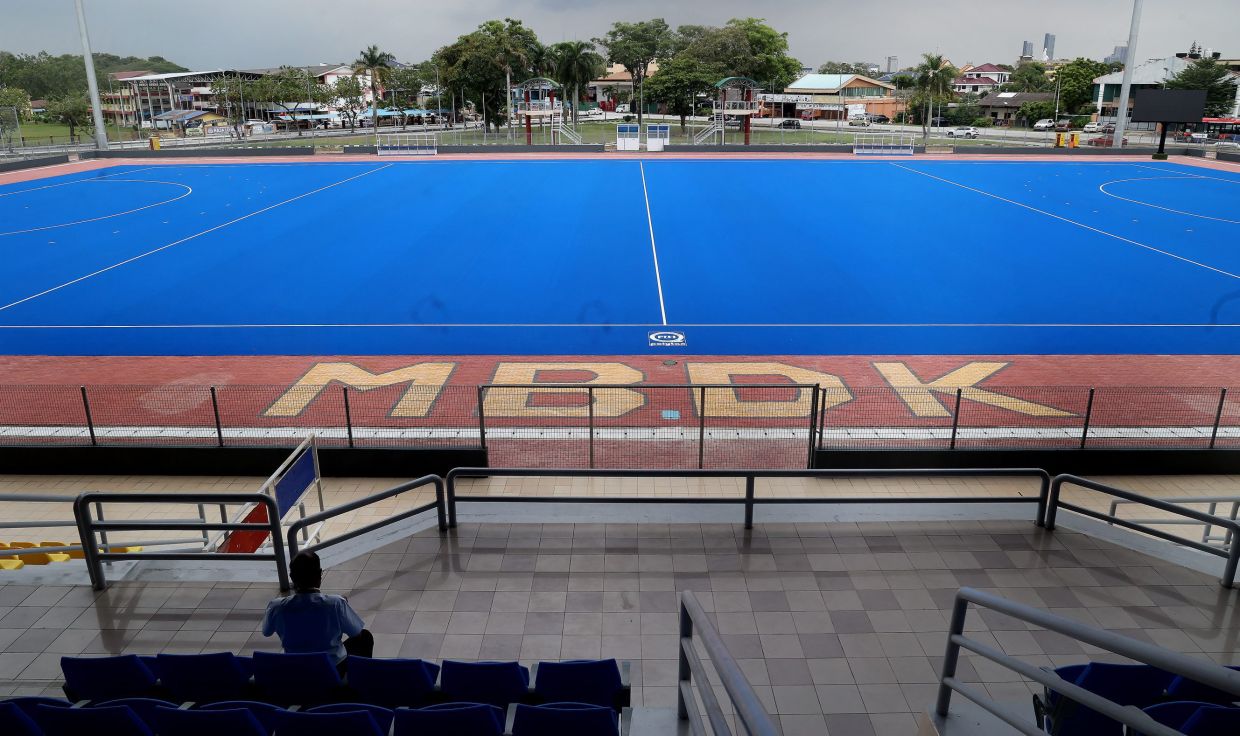
The Klang Royal City Council (MBDK) is charting a new course for sports facility management in Selangor by partnering with Selangor Hockey Association (SHA) to oversee operations at the newly refurbished Pandamaran Hockey Stadium. The collaboration signals a shift towards specialist management of public sporting assets, recognising that professional operation requires dedicated expertise beyond typical municipal administration.
Located along the corridor between Jalan Sukma and Jalan Raja Lumu in Pandamaran, Port Klang, the stadium has undergone a comprehensive upgrade costing approximately RM9 million. Klang Mayor Datuk Abd Hamid Hussain framed this investment not as mere expenditure but as a long-term strategic commitment designed to anchor sports development, enhance community wellbeing, and stimulate economic growth within the local area. The reframing reflects a broader recognition among Malaysian urban planners that sporting infrastructure, when properly managed, generates returns extending far beyond match days.
The decision to engage SHA underscores MBDK's understanding that contemporary stadium management demands rigour and specialisation. Rather than attempting to manage the facility through general municipal departments, the council will establish a dedicated stadium management team drawing on SHA's institutional knowledge and operational experience. This team will assume responsibility across multiple operational domains, encompassing facility maintenance, security protocols, event promotion, booking administration, and promotional activities. The structured approach represents a departure from how many Malaysian local authorities have historically managed sporting venues, often treating them as secondary administrative functions.
The refurbished facility incorporates substantial modern infrastructure designed to meet contemporary international standards. The stadium features a synthetic playing surface engineered for optimal performance, comprehensive drainage systems to manage tropical weather conditions, high-capacity floodlighting enabling evening matches and training, an electronic scoreboard for real-time information display, and supporting facilities including changing rooms equipped for professional use. Each component has been factored into the management framework, ensuring systematic maintenance schedules and operational protocols preserve the facility's integrity and functionality.
A particularly significant achievement resides in the stadium's certification by the International Hockey Federation (FIH), validating compliance with global sporting standards. This certification, valid through July 2, 2029, qualifies Pandamaran to host international-calibre competitions and support live global broadcasts. For Malaysian hockey and the broader sports ecosystem in Selangor, this credential represents a substantial accomplishment, demonstrating that facilities can meet stringent international benchmarks even outside Kuala Lumpur's established sporting precincts.
The timing of the refurbishment and operational transition aligns strategically with Selangor's hosting responsibilities for major national competitions. The 22nd Sukma Games will take place across Selangor from August 15 to 24, 2026, immediately followed by Para Sukma from September 5 to 10. MBDK has scheduled a soft launch today at 5pm, incorporating a test match for upcoming Sukma participants. This timeline allows the management team practical experience operating the venue under competitive conditions before the major tournaments commence.
Beyond the immediate competitive calendars, Pandamaran's international certification and upgraded infrastructure position Klang as an emerging node within Malaysia's sports tourism network. The facility's capability to host world-class tournaments creates opportunities for hosting international fixtures, training camps, and competitive events that extend throughout the year rather than remaining dormant between major competitions. This positioning differentiates Klang from municipalities where sporting facilities operate primarily during scheduled national events.
The economic implications warrant consideration for Southeast Asian observers tracking infrastructure development patterns. Sports-focused tourism generates measurable economic activity through visitor accommodation, hospitality services, transportation demand, and ancillary commercial activity. By elevating Klang's sporting credentials, the municipal administration creates conditions for business development and employment generation. International recognition also attracts media attention and sponsorship interest, potentially attracting corporate investment and creating revenue streams for facility operations and reinvestment.
From a regional perspective, the Pandamaran initiative contributes to Malaysia's broader competitive positioning within Southeast Asian sports infrastructure. As neighbouring countries simultaneously develop world-class facilities, strategic upgrades to existing venues and implementation of professional management systems position Malaysia to retain and attract major competitions. The collaboration between local authorities and sporting associations represents a governance model increasingly adopted across the region, reflecting professional standards expected for modern sporting infrastructure.
The mayor's explicit reference to international recognition positioning Klang on the global sporting stage indicates strategic ambitions extending beyond Sukma 2026. This suggests MBDK is considering long-term hosting prospects for Asian-level or international tournaments, potentially including FIH Pro League matches, continental championships, or other sanctioned competitions. Such ambitions require sustained management quality, facility maintenance, and operational excellence—precisely the parameters the SHA engagement is designed to address.
Implementation of the management framework will provide operational data demonstrating whether the SHA partnership model delivers superior outcomes compared to conventional municipal management. If successful, this approach could establish a template applicable to other aging or underutilised sporting venues across Selangor and beyond. The pilot effectively tests whether specialist association management enhances facility longevity, revenue generation, utilisation rates, and competitive hosting capacity—metrics that will influence how other local authorities approach similar partnerships.
The Pandamaran stadium project thus represents more than a venue upgrade—it embodies a strategic recalibration of how Malaysian municipalities approach sports infrastructure as development assets rather than peripheral municipal services. The SHA partnership, the FIH certification, and the Sukma hosting context collectively position this facility as a catalyst for sustained sports development, professional management standards, and economic activity within the Klang metropolitan area, with potential implications for how local authorities across Southeast Asia conceptualise and operationalise sporting infrastructure in their respective regions.

