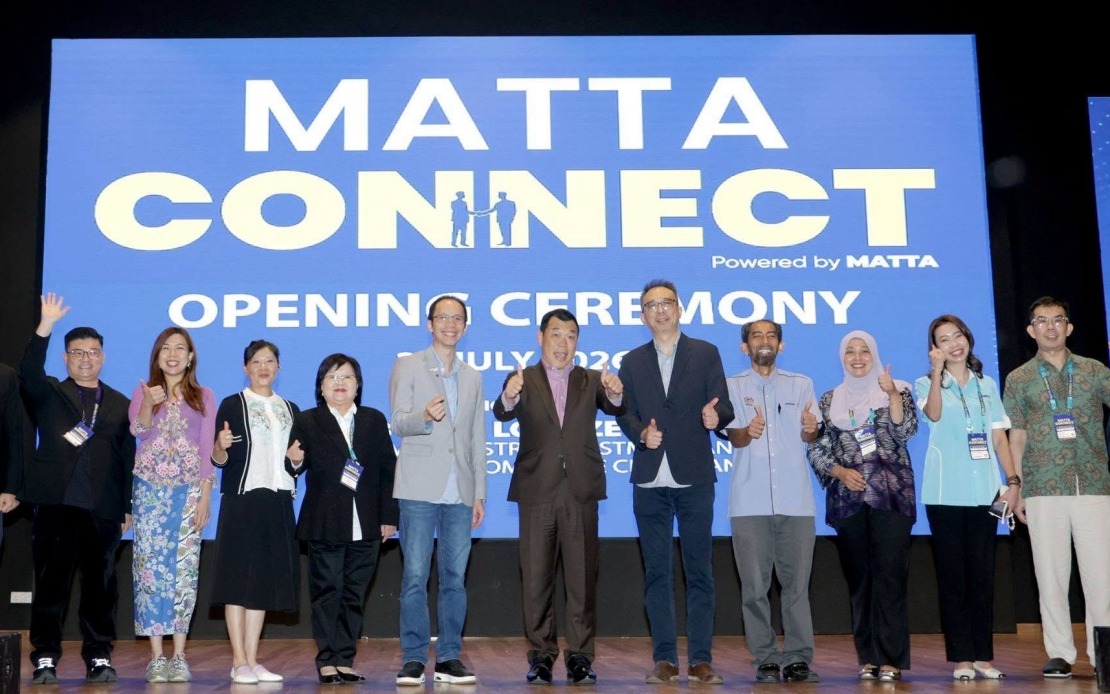
The choice of Ipoh as the venue for MATTA Connect 2026 carries significant implications for Malaysia's tourism landscape, signalling a deliberate shift toward decentralising major industry events beyond the customary capital and established metropolitan centres. Tourism, Arts and Culture Minister Datuk Seri Tiong King Sing, through remarks delivered by Deputy Minister Chiew Choon Man at the event's closing dinner, framed the decision as a vote of confidence in Perak's readiness to manage international-calibre gatherings while simultaneously opening doors for lesser-known Malaysian destinations to gain global exposure.
The strategic value of hosting MATTA Connect in Ipoh extends well beyond the logistics of staging a conference. When international tourism buyers and operators travel to the state to attend the event, their engagement transcends the typical boardroom encounter. These professionals experience the destination's hospitality infrastructure firsthand, sample regional cuisine at local establishments, explore attractions, and develop personal connections with community members. Such immersive exposure generates authentic commercial confidence that transactional meetings alone cannot replicate, ultimately translating into concrete travel product development and market diversification.
This approach aligns squarely with the overarching ambitions of the Visit Malaysia 2026 campaign, which seeks to redistribute tourism revenues and visitor flows more equitably across the nation's geography. Rather than allowing visitor numbers and associated economic benefits to concentrate overwhelmingly in Kuala Lumpur, Penang, Melaka, Langkawi, and Sabah—destinations that have enjoyed dominant market positioning—the campaign aims to cultivate genuine alternatives that can absorb international demand and generate economic activity in underutilised regions.
Perak's tourism portfolio presents a compelling narrative for international markets. The state commands remarkable natural and cultural assets spanning Royal Belum's ancient rainforests, the UNESCO World Heritage designation of Lenggong Valley's archaeological significance, Ipoh's historical architecture and urban character, Kuala Kangsar's royal connections, and Pangkor Island's beach amenities. Beyond these flagship attractions, Perak distinguishes itself through culinary excellence, geological drama represented by its limestone formations, adventure and ecological tourism opportunities, and community-anchored tourism initiatives that appeal to contemporary traveller preferences for authenticity.
For Malaysian readers and policymakers, this development reflects a broader recognition that tourism sector growth need not remain concentrated in a handful of established hubs. The economic multiplier effects of international visitor spending—accommodation, dining, transport, attractions, retail—generate employment and business opportunities across entire regions when destinations beyond traditional centres gain competitive positioning. By positioning Perak prominently through events like MATTA Connect, the ministry creates pathways for secondary and tertiary cities to build brand recognition and market access.
The role of industry platforms in facilitating this transformation cannot be understated. Conferences such as MATTA Connect function as matchmaking mechanisms where international professionals conduct business, exchange market intelligence, and collaboratively design innovative travel experiences. These professional networks generate the commercial relationships and partnerships necessary to translate destination potential into actual visitor arrivals and revenue generation. Perak's selection as a host venue elevates its profile within these influential industry circles.
From a Southeast Asian perspective, Malaysia's deliberate strategy to develop regional tourism alternatives demonstrates regional leadership in sustainable tourism distribution. Other Southeast Asian nations pursuing similar decentralisation objectives can observe how Perak's positioning unfolds, potentially adopting comparable strategies for their own emerging destinations. This creates competitive advantage for Malaysia in attracting international tourism investment and visitor flows that might otherwise default to established metropolitan centres.
The ministry's commitment to strengthening Perak's tourism infrastructure, enhancing product offerings, and intensifying international marketing efforts suggests sustained focus beyond the immediate event. Successful hosting of MATTA Connect 2026 functions as an entry point; securing competitive positioning thereafter requires continuous investment and promotional activity. Collaboration between state government, Tourism Perak authority, and private sector stakeholders becomes essential for translating the event's momentum into durable market gains.
For international tourism operators and investment considerations, hosting MATTA Connect in Ipoh validates Perak's seriousness about becoming a primary destination rather than a secondary pit stop. The state government and tourism sector have invested in preparing venues, accommodation, transportation, and hospitality infrastructure sufficient to accommodate international conference participants. Such capacity development has spillover benefits for general tourism operations and business travel beyond the conference period.
The broader implication involves reconceptualising Malaysian tourism's competitive structure. Rather than perpetuating a system where a few destinations monopolise international attention and investment capital, deliberate diversification strengthens the sector's overall resilience and attractiveness. International visitors gain expanded options matching varied interests and preferences, while geographic distribution prevents overcrowding and environmental strain at established hubs. For Malaysian communities in Perak, tourism development offers employment pathways, entrepreneurial opportunities, and cultural exchange benefits.
Looking toward Visit Malaysia 2026's completion, the outcomes from hosting MATTA Connect in Ipoh will provide measurable indicators of whether regional city hosting proves effective in shifting international tourism patterns. Monitoring international buyer participation, travel packages subsequently developed featuring Perak, and visitor arrivals attributable to conference-generated awareness will reveal whether this strategic initiative achieves its fundamental objectives of geographic tourism distribution and destination portfolio expansion.

