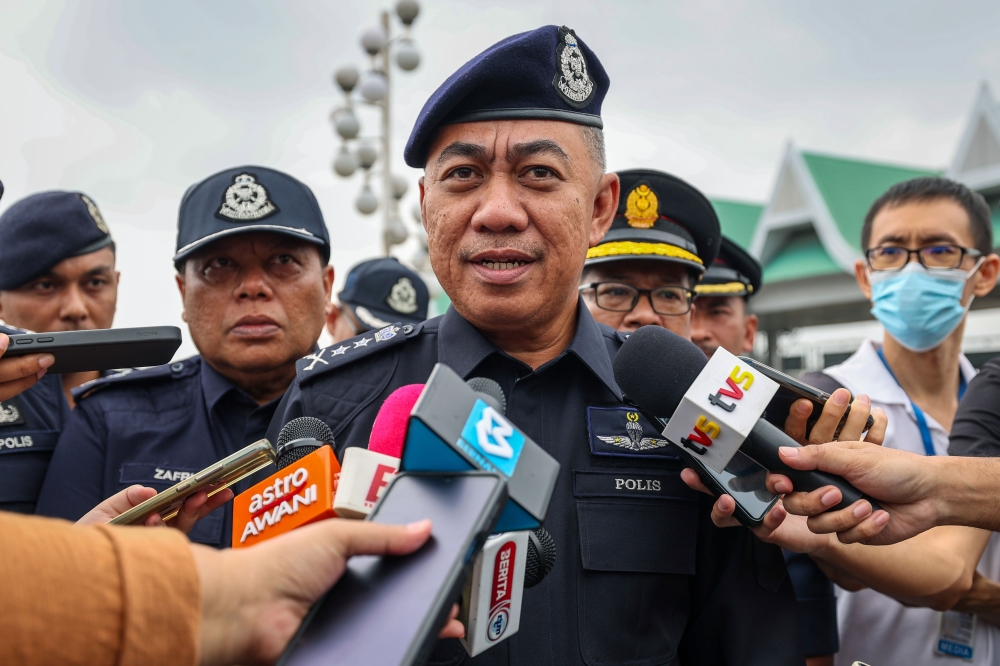
Seven people, among them a married couple, were arrested during a series of raids conducted by Perak police in what authorities describe as a significant blow against local drug trafficking networks. The coordinated operations, which took place across multiple locations in the state, resulted in the confiscation of 2.8 kilogrammes of MDMA—commonly known as ecstasy—alongside substantial quantities of cash suspected to be proceeds from illicit drug sales.
The arrests represent part of an intensifying campaign by Malaysian law enforcement to dismantle synthetic drug distribution channels that have become increasingly sophisticated in recent years. MDMA, a controlled substance under Malaysia's Dangerous Drugs Act 1952, has emerged as a particular concern for authorities in urban and semi-urban areas across the peninsula, where it commands premium prices in underground markets frequented by younger demographics and entertainment venue patrons.
The involvement of a married couple in the alleged distribution network highlights a pattern observed by narcotics specialists, who note that familial relationships sometimes provide cover and logistical advantages for drug operations. By operating within household structures, such networks can evade detection more readily than traditional criminal organizations, complicating enforcement efforts and presenting unique investigative challenges for state police narcotics units.
The 2.8 kilogrammes of MDMA seized represents a substantial quantity by Malaysian standards, with street value estimates potentially reaching hundreds of thousands of ringgit depending on distribution tier and local market conditions. Such seizures typically indicate operations extending beyond personal consumption into organized retail distribution, suggesting the network likely supplied multiple venues or end-users across broader geographical areas.
Perak, located in the northern corridor of Peninsular Malaysia, has historically served as both a transit point and consumption market for synthetic drugs destined for distribution further south. The state's proximity to manufacturing hubs in the Golden Triangle region of Southeast Asia, combined with established trafficking routes through Thailand and Myanmar, has positioned it as a critical focal point for drug enforcement operations by the Royal Malaysian Police narcotics divisions.
The cash seizures accompanying the drug confiscations provide investigators with valuable forensic evidence for establishing the scale and financial architecture of the suspected network. Financial analysis of recovered currency often reveals patterns indicating supply hierarchies, wholesale-to-retail pricing structures, and potential links to other criminal enterprises, thereby enabling law enforcement to construct comprehensive intelligence profiles of trafficking organizations.
Police statements regarding these arrests typically emphasize the quantities seized and the number of suspects detained, yet the underlying investigative work—surveillance, intelligence gathering, controlled purchases, and witness interviews—remains largely obscured from public view. These methodologies, refined over decades of drug enforcement operations, form the backbone of successful prosecutions and represent significant resource commitments by state police narcotics units already stretched across numerous concurrent investigations.
The charges faced by the seven individuals will likely fall under provisions of the Dangerous Drugs Act 1952, with potential sentences ranging from rehabilitation and fines for lower-level involvement to lengthy imprisonment for those deemed to have played organizing or supply roles. Malaysian courts have consistently demonstrated willingness to impose substantial sentences for drug trafficking offenses, particularly for synthetic substances like MDMA where legislative penalties reflect concerns about proliferation and public health consequences.
Such enforcement actions carry implications extending beyond immediate criminal justice outcomes. They contribute to broader risk assessments within trafficking networks, potentially disrupting supply chains and causing temporary price fluctuations in street markets. However, enforcement experts acknowledge that sustained reduction in drug availability requires complementary strategies addressing demand factors, including community education, treatment accessibility, and social intervention programs targeting vulnerable populations susceptible to substance abuse.
The Perak operations underscore ongoing tensions within Malaysian society between traditional drug threats—particularly heroin and methamphetamine—and emerging challenges posed by increasingly diverse synthetic substances accessible through darknet markets and international supply networks. Unlike some regional counterparts, Malaysia has not reported extensive fentanyl availability, yet authorities remain vigilant regarding potential emergence of novel psychoactive substances that exploit regulatory gaps and challenge existing enforcement frameworks.
Regional drug enforcement agencies monitor such developments closely, as developments in one jurisdiction frequently presage threats in neighboring territories. The Association of Southeast Asian Nations (ASEAN) member states maintain information-sharing protocols specifically designed to address transnational drug trafficking, with Malaysia's position as a major consumption market necessitating robust engagement with counterparts in Thailand, Singapore, Indonesia, and Brunei.
Investigators will likely conduct follow-up operations targeting suspected suppliers and distribution contacts identified through interrogation of the seven arrested individuals. Intelligence derived from such cases frequently generates leads enabling disruption of upstream manufacturing and importation operations, potentially yielding larger seizures and dismantling of more significant trafficking infrastructure than initial arrests alone suggest.

