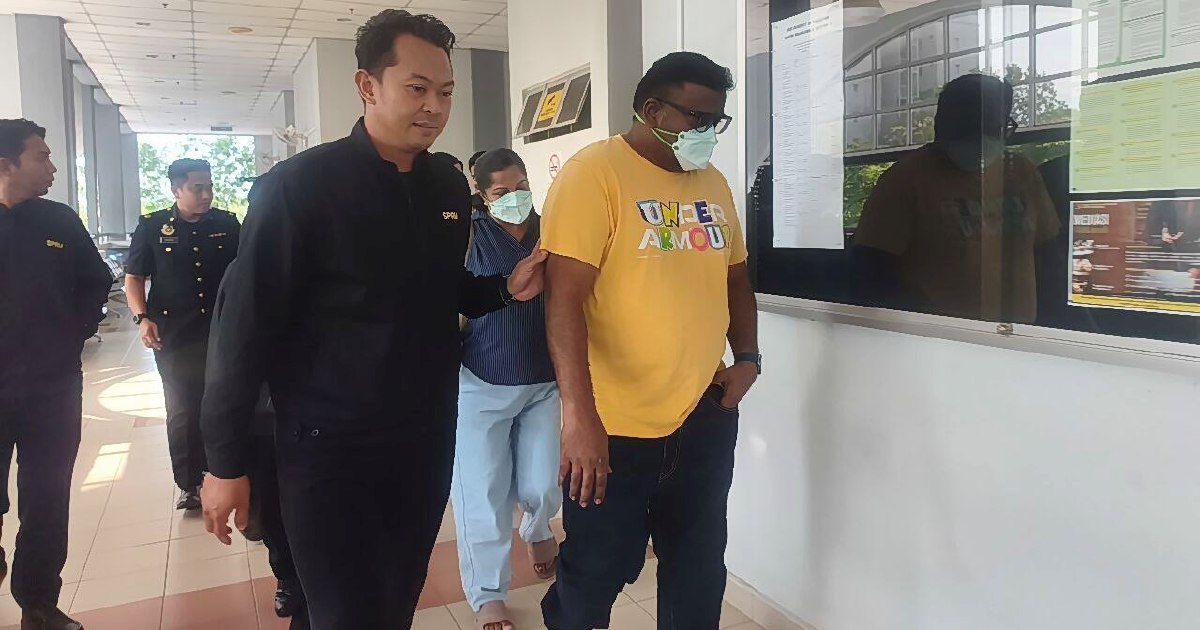
Three defendants appeared before the Sessions Court in Seremban recently to face charges relating to what authorities allege were fraudulent incentive claims lodged with Perkeso, the Social Security Organisation. The accused comprise a married couple and an associate, all of whom have denied the allegations against them, setting the stage for what promises to be a closely watched legal proceeding concerning social security fraud.
The charges carry significant implications for workplace safety and social security administration in Malaysia. Perkeso operates as the statutory body responsible for administering occupational safety and health insurance, disability benefits, and rehabilitation services. The scheme represents a critical safety net for Malaysian workers and employers, and any systematic abuse of its incentive programmes directly undermines the financial integrity of the social security system that millions of Malaysians depend upon.
False claims submitted to Perkeso can take various forms, from misrepresenting workplace injury circumstances to falsifying employment records or inflating benefit amounts. Such fraudulent submissions not only deplete resources intended for legitimate claimants but also distort actuarial data that insurers and the government use to calculate premiums, policy adjustments, and long-term funding requirements. The consequences ripple across the entire employment ecosystem, potentially forcing legitimate workers to shoulder higher contributions or receive reduced benefits.
The decision by all three defendants to maintain their not guilty pleas indicates they will contest the evidence presented by prosecutors throughout the trial process. This means the burden remains on the prosecution to establish beyond reasonable doubt that the submissions were indeed false and that the defendants knowingly participated in their preparation or submission. The court will need to examine documentation, communications, and witness testimony to determine whether the claims in question deviated from legitimate or accurate representations.
The involvement of a married couple in these allegations raises particular questions about household finances and potential coordination in submitting multiple false claims. Joint involvement by spouses could suggest a pattern of deliberate deception rather than isolated administrative errors, though the defendants maintain they have done nothing wrong. The inclusion of a third party broadens the scope of the alleged conspiracy, potentially indicating an organised effort to exploit Perkeso's incentive system rather than an individual mistake.
Perkeso's incentive programmes are designed to encourage employers to maintain high standards of workplace safety and rehabilitation. These include financial rewards and premium reductions for businesses that demonstrate excellent occupational safety and health records. When individuals fraudulently claim these incentives, they not only receive benefits they do not deserve but also undermine the genuine achievements of employers who have legitimately earned such recognition through sustained commitment to worker safety.
The trial will likely involve detailed scrutiny of administrative procedures, submission dates, supporting documentation, and verification processes. Prosecutors may call witnesses including Perkeso officers responsible for processing claims, reviewing supporting evidence, or investigating suspicions of fraud. The defence will have the opportunity to challenge the accuracy of evidence and present alternative explanations for any discrepancies the prosecution identifies.
For Malaysian workers and the broader employment sector, such legal proceedings serve as important reminders that social security systems require constant vigilance against abuse. The fact that authorities have identified and charged these individuals suggests existing detection mechanisms are functioning, though the question remains whether fraud detection is sufficiently robust given the potentially large number of claims processed annually across the country.
The outcome of this Seremban trial could have precedential value for how similar cases are prosecuted elsewhere in Malaysia. If the prosecution successfully proves its case, it may establish clearer expectations about documentation standards and evidentiary requirements for Perkeso claims. Conversely, if the defence successfully argues reasonable doubt on key points, it may set different standards that prosecutors must meet in future false claims investigations.
Social security fraud represents a form of theft from the collective funds contributed by employers and workers alike. Every ringgit fraudulently obtained through false claims is ringgit unavailable to legitimate beneficiaries facing genuine workplace injuries, disabilities, or rehabilitation needs. The Seremban court proceedings thus carry importance extending far beyond the three defendants, touching on systemic integrity and public confidence in Malaysia's social protection framework.

