Financial markets are offering no respite even as summer holidays beckon. The coming week promises significant developments across currency trading, Middle Eastern negotiations, and economic indicators that will reverberate through global investment strategies and directly affect economic conditions in Southeast Asia.
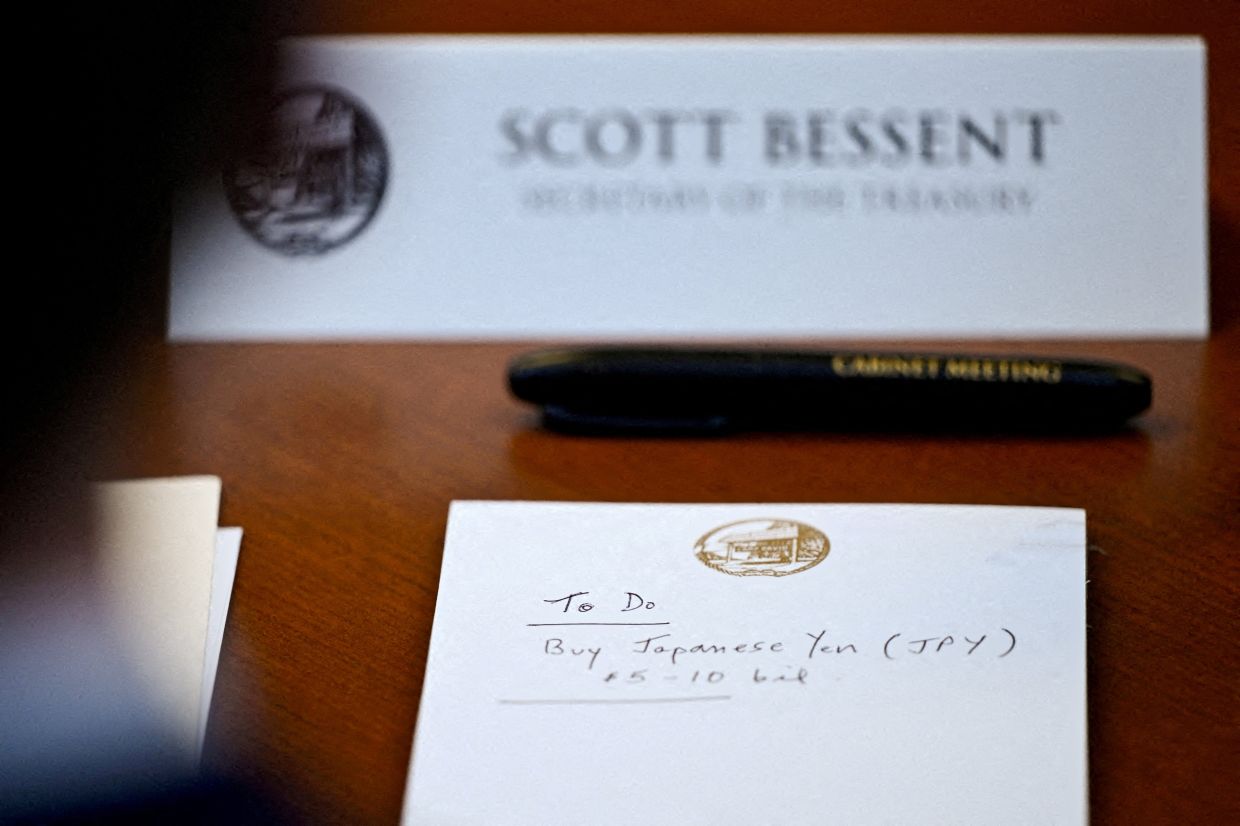
The Japanese yen sits at four-decade lows, a predicament that haunts Tokyo policymakers. Weakening currency typically inflates import costs, a particularly painful consequence during energy shocks when fuel prices already strain household and corporate budgets. Last week's joint U.S.-Japanese intervention to arrest the yen's decline marks a rare coordinated response, with U.S. Treasury Secretary Scott Bessent's public commitment to yen purchases signalling seriousness about supporting the currency. Yet currency traders remain sceptical about the intervention's durability and whether it represents a sustained policy shift or temporary pressure relief.
The mechanics of intervention reveal deeper strategic calculations. The fact that U.S. authorities chose to conduct the operation using euros rather than dollars has sparked debate among analysts about Treasury concerns regarding bond market stability. Foreign central banks selling U.S. Treasuries to fund currency interventions could amplify existing strains in debt markets already wrestling with elevated interest rates. This nuance underscores persistent anxiety about the dollar's long-term status as the world's reserve currency—a question that extends beyond financial technicalities into geopolitical positioning.
Expectations now centre on whether Japan's central bank will signal a September rate increase during its post-meeting commentary. Minutes from July's monetary policy session, published Monday, strengthened the intellectual case for raising rates as a mechanism to support the yen through higher investment returns. A rate hike would represent a significant shift from years of accommodative policy and would ripple through Asian financial markets, particularly affecting currencies pegged or managed against the yen, including those in neighbouring economies vulnerable to Japanese capital movements.
Oil markets and geopolitical risk remain inseparable. Emerging negotiations between Iran and Oman over the Strait of Hormuz offer a potential diplomatic off-ramp to ongoing regional tensions, though Washington has not yet endorsed any agreement. Yemen's Iran-backed Houthi militias continue harassing shipping in the Red Sea, another crucial artery for global energy supply. After 24 weeks of conflict, investor expectations for any lasting resolution have grown modest. For U.S. policymakers, however, the stakes are acute: gasoline prices stubbornly hover above $4 per gallon, and with midterm elections approaching within five months, energy costs remain a politically sensitive metric of presidential performance. Even a temporary fudge that reduces immediate risk could restore investor confidence in earnings growth and permit acceptance of near-term uncertainty.
U.S. inflation data arriving Wednesday carries outsized importance given conflicting signals from recent weeks. Economists surveyed by Reuters expect the July consumer price index to advance 3.4% annually, with core inflation—stripping out volatile food and energy—rising 2.5% year-on-year. These figures arrive atop surprising news of job losses in July, creating potential dilemmas for Federal Reserve policymakers. Should inflation remain warm while employment weakens, the central bank faces the classic policy bind: raising rates to combat inflation risks intensifying labour market softness, while holding rates steady permits price pressures to persist above the Fed's 2% target.
Producer price data due Thursday will complete the inflation picture. Previous monthly releases showed softer-than-expected increases, yet inflation remains stubbornly elevated relative to the Fed's comfort zone. These readings directly influence market expectations for the September Federal Reserve meeting, where participants currently assign roughly 40% probability to a rate increase. Retail sales data on August 14 will cap a particularly data-rich week, potentially shifting sentiment toward tighter monetary policy if consumer spending remains robust despite higher borrowing costs.
Central banks across the developed world confront similar dilemmas. Australia's Reserve Bank meets Tuesday facing its own inflation puzzle: three rate hikes delivered this year have begun moderating consumer price growth, yet Governor Michele Bullock has signalled readiness to tighten further if necessary. Analysts expect the board to maintain a hawkish stance despite leaving rates unchanged, preserving optionality for future increases. Norway's Norges Bank faces similar circumstances, with core inflation slowing but the bank likely to hold rates steady while maintaining tightening credentials.
Britain's economic performance enters the spotlight Thursday when the government publishes GDP data for both the second quarter and June. Prime Minister Andy Burnham, newly elevated to power in July, will be hoping for encouraging figures to validate his administration's economic stewardship. June retail sales surprised to the upside, boosted by soccer-related spending and warm weather, suggesting a potential monthly bounce. The quarterly figure presents greater uncertainty: strong first-quarter momentum fizzled throughout April and May. Lower energy prices during the brief Iran-U.S. accord may have temporarily supported activity. Yet the broader quarterly trend risks disappointment even as the euro zone—where preliminary data exceeded expectations—offers a template for positive surprises.
For Malaysian and Southeast Asian observers, these global developments carry cascading implications. Japanese currency weakness and potential intervention directly influence regional currency dynamics and export competitiveness. U.S. inflation and Federal Reserve decisions shape borrowing costs across emerging markets and affect capital flows to developing economies. Middle Eastern tensions threaten crucial oil supply routes affecting regional energy security. And global growth patterns influence demand for Southeast Asian exports and the investment climate for regional businesses navigating increasingly volatile international markets.

