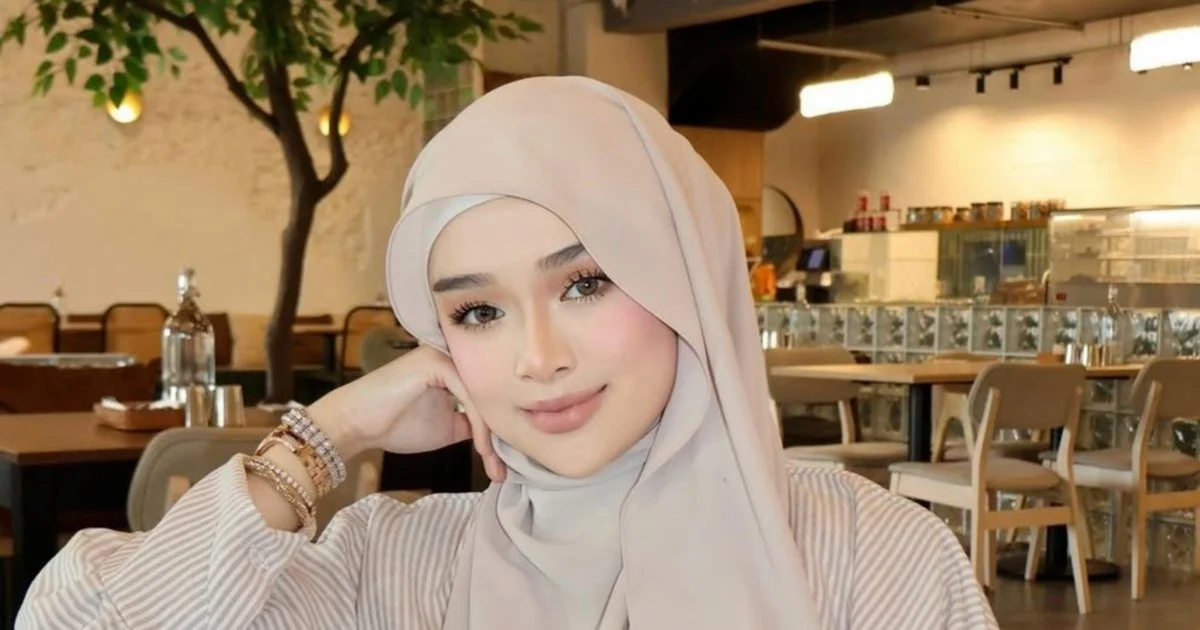
Social media influencer Marissa Dania has stepped forward to firmly dispute recent allegations suggesting she has sidelined her mother, Abby Abadi, while prioritising her relationship with her father Norman Hakim and stepmother Memey Suhaiza. The denial comes amid swirling speculation across online platforms regarding the family's internal dynamics, a situation that has evidently prompted Dania to address the matter publicly and set the record straight.
The controversy appears to have gained traction through various social media channels, where observers have scrutinised Dania's content and public appearances, attempting to draw conclusions about her family relationships and the perceived distance between herself and her mother. Such incidents are increasingly common in Malaysia's influencer ecosystem, where the personal lives of content creators frequently become subjects of intense public scrutiny and amateur psychological analysis. The situation underscores the challenges faced by social media personalities in maintaining privacy while operating in an inherently transparent medium.
Dania's response represents a measured attempt to counter the narrative that has developed around her family situation. Rather than engaging in detailed point-by-point rebuttals, she has appealed to her audience to exercise restraint and avoid reaching conclusions based on incomplete information or selective interpretations of her online presence. This approach reflects a broader awareness among Malaysian influencers that engaging too directly with rumours can inadvertently amplify them further.
The family configuration itself—involving a blended household with a biological parent and a stepparent—mirrors arrangements common across Malaysian society, yet such arrangements occasionally attract unfounded speculation when members of the family are in the public eye. The assumption that prioritising one family member necessarily implies marginalising another is fundamentally flawed, as individuals can maintain meaningful relationships with multiple family members simultaneously without maintaining equal visibility across all relationships.
Content creators like Dania occupy a peculiar position in contemporary Malaysian society. Their livelihoods depend partly on cultivating an engaged audience and maintaining a public persona, yet they are simultaneously expected to preserve conventional boundaries regarding private family matters. The pressure to remain perpetually relatable often pushes creators toward sharing content that blurs the line between authentic personal moments and curated material, thereby creating opportunities for misinterpretation.
Dania's intervention highlights the hazards of audience speculation regarding family relationships. Online observers frequently interpret the frequency or context of appearances—such as whether a particular family member features prominently in recent posts or videos—as indicators of underlying relationship tensions. However, such interpretations overlook numerous practical considerations, including scheduling conflicts, individual privacy preferences, professional commitments, and the simple reality that not all meaningful relationships require constant public documentation.
The incident also reflects broader societal attitudes toward blended families in Malaysia. While such family structures have become increasingly prevalent, they sometimes remain subject to external judgment or assumptions about loyalty and dynamics. The suggestion that Dania must be sidelining her biological mother to accommodate her stepmother presents a false dichotomy that assumes family relationships operate on a zero-sum basis. In reality, healthy family dynamics involve individuals maintaining independent relationships with multiple family members.
Marissa Dania's decision to address the allegations directly demonstrates an emerging pattern among Malaysian influencers seeking to control their narrative amid widespread speculation. Rather than remaining silent and allowing interpretations to proliferate unchecked, she has chosen to engage with her audience transparently, though carefully. This measured response suggests an understanding that complete denial combined with a plea for reasoned judgment may be more effective than either silence or extended defence.
The controversy also serves as a reminder of the challenges inherent in translating digital presence into assumptions about real-world relationships. Social media platforms present curated snapshots of life rather than comprehensive documentation of all relationships and interactions. An influencer's decision to feature certain family members in their content may reflect numerous factors unrelated to the importance of those relationships or the presence of underlying conflict.
Moving forward, the situation underscores the necessity for digital literacy among social media consumers, particularly regarding the interpretation of online content. The Malaysian public increasingly consumes information through social platforms where celebrity content, gossip, and speculation intermingle freely. Developing the capacity to distinguish between fact-based reporting and speculative commentary remains essential.
Dania's plea for the public to refrain from jumping to conclusions echoes calls from other Malaysian influencers who have found themselves at the centre of similar controversies. The reminder serves a dual purpose: it addresses the immediate allegation while simultaneously inviting broader reflection on how audiences engage with the digital content of public figures. As Malaysia's influencer economy continues to expand and mature, establishing healthier norms around the interpretation of online content will prove increasingly important for both creators and their audiences.

