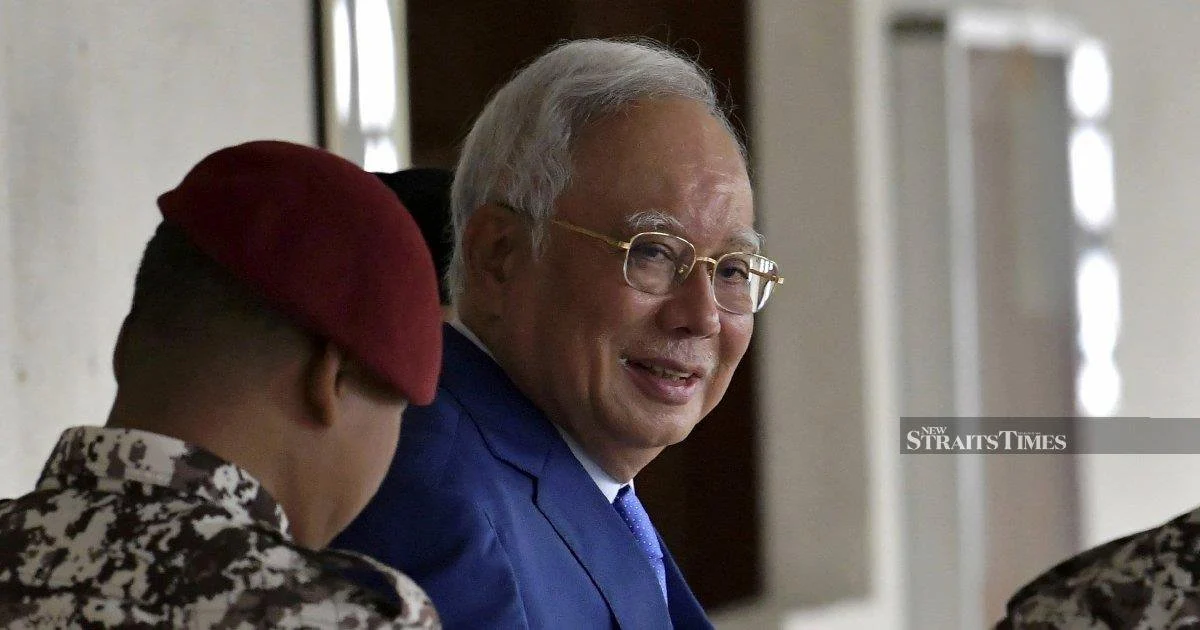
Former Skudai assemblywoman Marina Ibrahim has levelled allegations of hypocrisy against the DAP, contending that a senior party figure privately endorsed granting a royal pardon to former Prime Minister Datuk Seri Najib Razak and permitting him to serve his sentence through house confinement rather than in prison.
The assertion raises fresh questions about the DAP's consistency on governance and accountability matters, particularly given the party's longstanding public stance against corruption and its vigorous opposition to various government policies. Marina's claims suggest a potential gap between the party's publicly articulated principles and its private deliberations on sensitive constitutional and legal matters involving high-profile political figures.
The context of these allegations is significant within Malaysian politics. Najib Razak has been a polarising figure since his administration ended in May 2018, with the transition of power marking a watershed moment in the nation's political trajectory. His subsequent legal proceedings and conviction have remained subjects of intense political and public discourse, touching on broader themes of accountability, justice, and the role of institutional checks and balances.
A royal pardon represents one of the most exceptional and constitutionally sensitive remedies available within Malaysia's legal framework, requiring the deliberation of relevant state sultans or the Yang di-Pertuan Agong. House arrest arrangements similarly involve significant executive and potentially royal consideration. The revelation that opposition party members may have privately entertained such possibilities, if substantiated, would signal complex calculations within the political landscape regarding how Malaysia's judicial processes and royal prerogatives intersect with party positioning.
For DAP specifically, such allegations cut to the heart of party identity and electoral messaging. The Democratic Action Party has built substantial political capital, particularly in urban constituencies and among voters concerned with governance standards, by positioning itself as fundamentally committed to transparency and the rule of law. Any suggestion that party leaders have privately deviated from these stated commitments could undermine this carefully cultivated image, particularly among younger, more cynical voters who have demanded greater accountability from all political actors.
The timing and context of Marina's allegations merit examination. As a former state assemblywoman from Johor, Marina speaks from within state-level political circles where personal interactions and informal discussions between opposition and ruling coalition members occur regularly. Such allegations, whether or not they withstand scrutiny, reflect the reality that Malaysian politics frequently involves behind-the-scenes conversations that contrast with public posturing, particularly across party lines during coalition negotiations or during periods of government formation.
For Malaysian readers and regional observers, these claims illuminate the pragmatic considerations that often override ideological consistency in Southeast Asian politics. Political parties across the region frequently face situations where maintaining broader coalitional relationships or pursuing power requires compromises on previously held principles. The question of how opposition parties handle such compromises—whether transparently acknowledging tactical shifts or maintaining rhetorical consistency while acting differently—shapes public trust and democratic discourse.
The Najib question specifically remains contentious throughout Malaysia and internationally, given its connections to investigations into 1Malaysia Development Berhad (1MDB) and broader scrutiny of governance during his tenure. How various political actors position themselves relative to his legal situation continues to carry weight in electoral calculations, particularly in constituencies where anti-corruption sentiment remains strong, and in circles where sympathy for Najib persists despite his conviction.
DAP's response to these allegations will likely prove instructive regarding how the party manages allegations affecting its credibility. The party leadership will face pressure either to flatly deny involvement in such discussions, to explain the context within which such conversations occurred, or potentially to provide nuanced explanations about the distinction between hypothetically exploring options and endorsing them. Each approach carries political consequences and sends signals to supporters about party values.
Regionally, Malaysian political developments around governance, accountability, and how parties navigate these issues influence discourse across Southeast Asia. Political parties in Singapore, Indonesia, Thailand, and the Philippines monitor how Malaysian opposition parties handle questions of consistency and principle, as these demonstrations of political culture affect regional perspectives on democratic maturity and institutional health.
The broader significance of Marina's allegations extends beyond the immediate personalities involved. They reflect deeper patterns in how post-2018 Malaysian politics has evolved, including the fragmentation of both ruling and opposition coalitions, the increased willingness of political actors to cross traditional dividing lines, and the challenges that democratic societies face in maintaining consistent principles when power calculations shift dramatically. Whether these allegations prove accurate or represent positioning within a complex political environment remains to be seen, but they underscore the continuing stakes attached to questions of accountability and governance in contemporary Malaysia.

