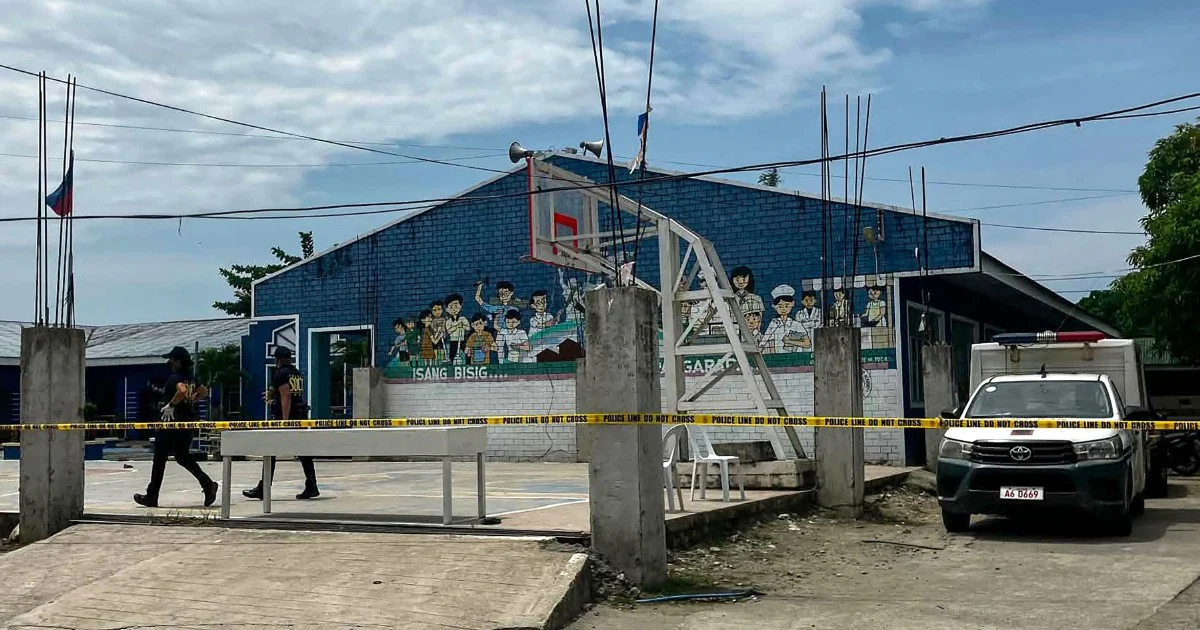
Philippine President Ferdinand Marcos Jr has ordered authorities to conduct a comprehensive investigation into a shooting incident that occurred at a school in Tacloban, resulting in three deaths and five injuries. The directive represents the government's immediate response to one of the more serious security breaches at an educational institution in the country's recent history.
Tacloban, the capital of Leyte province in the Eastern Visayas region, has historically dealt with persistent security challenges stemming from both criminal activity and insurgent operations. The city, which sits along a major typhoon belt and has experienced significant natural disasters, now faces added scrutiny regarding campus safety protocols and the broader arms control measures that have long been topics of public debate in the Philippines.
The incident raises troubling questions about firearm regulations and enforcement across the country. The Philippines has experienced recurring incidents of gun violence despite existing laws governing weapon ownership and use. Understanding how the shooter obtained and accessed the firearm used in this attack will be critical to determining whether regulatory gaps or enforcement failures contributed to the tragedy.
School safety has emerged as a pressing concern across Southeast Asia in recent years. Educational institutions represent spaces where communities entrust their children, making any violent breach particularly alarming to parents and educators throughout the region. This incident in Tacloban will likely prompt neighbouring countries and Philippine authorities to reassess security measures at schools, particularly in areas with known security vulnerabilities.
The impact extends beyond the immediate casualties. Five additional victims sustained injuries, joining the three fatalities in what represents a profound trauma for the Tacloban community. The schools, families, and city administration now face the considerable challenge of recovery, including providing psychological support to survivors, students, and staff who witnessed the violence.
President Marcos's decision to initiate a formal investigation signals the government's commitment to accountability and understanding the circumstances that allowed the incident to occur. Such investigations typically examine the shooter's background, motive, access to weapons, and any warning signs that might have been overlooked. The findings will likely influence policy recommendations regarding campus security and firearms regulation.
The Philippines, with its population of over 100 million, grapples with significant challenges in maintaining public order across diverse geographic regions. Tacloban, though a major urban centre with considerable economic importance, remains an area where resources for security infrastructure sometimes fall short of demand. Strengthening school security protocols without militarising educational environments represents a delicate balance that policymakers must navigate.
Regional security analysts will be monitoring the investigation closely, as school shootings, though less frequent in Southeast Asia than in some other parts of the world, carry disproportionate psychological and social impact. The incident may prompt discussions across ASEAN nations regarding comparative approaches to preventing gun violence and enhancing institutional security measures.
The broader context of violence in the Philippines involves multiple challenges, from drug-related conflicts to insurgent activities in Mindanao and sporadic criminal incidents across major urban centres. A school shooting, however, strikes at the heart of social stability and public confidence in the government's ability to protect civilians in spaces meant to be sanctuaries for learning and development.
For Malaysian observers, this incident underscores the importance of robust firearm regulations and their consistent enforcement. While Malaysia maintains relatively strict gun laws compared to many countries, cases of school violence elsewhere in the region serve as reminders of the consequences when access to weapons becomes uncontrolled or enforcement mechanisms weaken.
The investigation's findings will likely be shared with regional security organisations and may inform discussions about best practices for educational institution security. International cooperation on violence prevention has become increasingly important as countries recognise that threats to public safety transcend borders and require coordinated responses.
As President Marcos directs the investigation forward, the focus will be on determining not only who carried out the attack and why, but also what systemic failures allowed it to occur. These findings will shape policy discussions about firearms regulation, school security investments, and threat assessment protocols throughout the Philippines and potentially across Southeast Asia.