Majlis Amanah Rakyat (MARA) has initiated a comprehensive review of its standard operating procedures governing student outings at Mara Junior Science Colleges (MRSM) in response to an incident in which two Form Four students went missing from MRSM Alor Gajah, Melaka, on August 11. The pair, both aged 16, were discovered four days later in the vicinity of Pasar Seni in Kuala Lumpur, prompting immediate intervention from authorities and institutional leadership to assess how such incidents can be prevented without imposing restrictions that would compromise the broader educational experience.
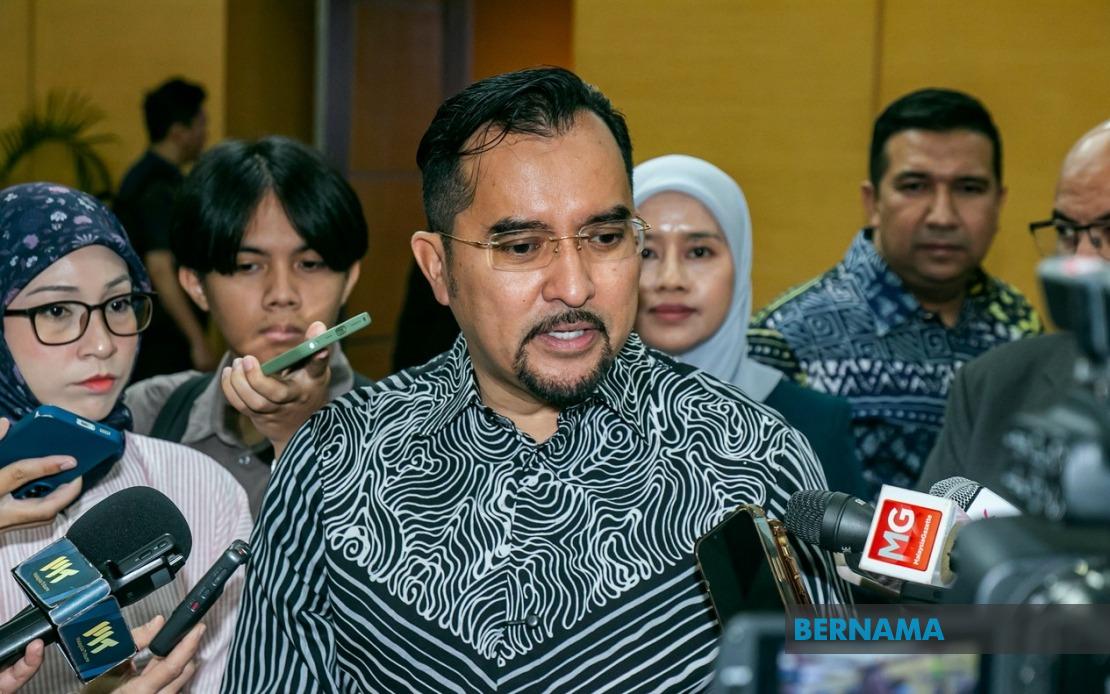
Datuk Dr Asyraf Wajdi Dusuki, who heads MARA, characterised the disappearance as an isolated occurrence rather than a systemic failure or indicator of widespread safety vulnerabilities. Speaking to journalists following MARA's 2026 pre-departure programme for sponsored students, he stressed that the institution must resist the temptation to implement sweeping policy changes that could undermine longstanding programmes that have functioned effectively across the MRSM network. His position reflects a measured approach to crisis management, acknowledging legitimate concerns whilst attempting to preserve the institutional framework that has served thousands of students.
A central tension emerges in the conversation around student autonomy and institutional duty of care. MARA permits MRSM students to venture into town approximately once or twice monthly under specific conditions, without mandatory teacher supervision—a practice that reflects contemporary educational philosophy emphasising gradual independence and real-world navigation skills during the formative teenage years. This framework is deliberately designed to allow young people opportunities to develop maturity, decision-making capabilities, and social confidence within what the institution considers manageable parameters.
The circumstances surrounding the students' disappearance and recovery remain partially unclear. One of the teenagers experienced a panic attack upon being located and subsequently received medical attention at a hospital, indicating that the situation may have involved psychological distress rather than deliberate evasion of institutional rules. This detail assumes significance when considering appropriate policy responses, as it suggests the incident may not have stemmed from malicious intent or reckless disregard for safety protocols but rather from mental health or emotional factors that warrant compassionate, informed intervention rather than punitive restriction.
Dusuki appealed to media, parents, and the public to allow police investigations and institutional inquiries to proceed without premature conclusions or pressure to announce reactive policy changes. He indicated that MARA had been contacted by Alor Gajah police to cooperate in the investigation, and that preliminary findings remain undisclosed pending completion of formal procedures. This measured communication strategy seeks to prevent the incident from becoming a flashpoint for broader institutional criticism or precipitous policy shifts made under public pressure rather than sound institutional analysis.
The incident arrives during a period when questions about student welfare at Malaysian boarding schools have received intermittent attention from civil society organisations, parents' associations, and education commentators. MRSM institutions, which admit high-achieving students from diverse socioeconomic backgrounds and operate under MARA's mandate to develop bumiputera professionals, occupy a significant position within Malaysia's educational ecosystem. Any substantial modifications to their operational frameworks generate reverberations across the wider residential school system and influence how similar institutions calibrate their own safety protocols.
The tension between institutional responsibility and student development reflects a broader pedagogical debate. Overly restrictive policies may reduce incident risk in the short term but potentially cultivate dependent, overly supervised adolescents ill-equipped to navigate independent decision-making. Conversely, permissive approaches prioritising autonomy without adequate safeguards risk exposing young people to preventable harm. MARA's position suggests the institution believes its current procedures occupy an appropriate middle ground, though the recent incident will inevitably prompt stakeholders to interrogate whether that calibration remains appropriate.
For parents of MRSM students, the incident raises legitimate questions about communication protocols and emergency response mechanisms. Were guardians promptly notified when students were reported missing? What systems exist to trace students during town outings? How quickly can institutional authorities mobilise resources when concerns arise? These operational questions extend beyond philosophical debates about independence and autonomy, touching directly on institutional capacity to protect student welfare.
The review process MARA is undertaking will likely examine specific procedural elements: whether students are required to provide detailed itineraries for outings, whether check-in mechanisms could be implemented without excessive surveillance, whether staff training adequately prepares residential supervisors to recognise and respond to signs of psychological distress, and whether communication channels between institutions and emergency services function efficiently. Such refinements need not substantially alter the underlying framework permitting student town outings but could meaningfully enhance safety outcomes.
Malaysian educational stakeholders will monitor how MARA balances these competing considerations in its procedural revisions. The institution's next formal announcements regarding any operational changes will signal whether it views the incident primarily as an anomaly requiring minor procedural adjustments or as evidence justifying more substantial reorientation of its approach to student mobility and supervision. This determination will influence how other residential schools nationwide assess their own protocols and communicate with communities about safety priorities.
The broader context matters too. Malaysia's education system has evolved considerably in recent decades, shifting gradually toward models that emphasise student agency and critical thinking alongside traditional academic achievement. MRSM colleges, as institutions cultivating future professional and leadership cohorts, carry particular weight in shaping how Malaysia's institutional sector navigates contemporary tensions between protection and empowerment. How MARA resolves this specific episode will reverberate across the residential school landscape.

