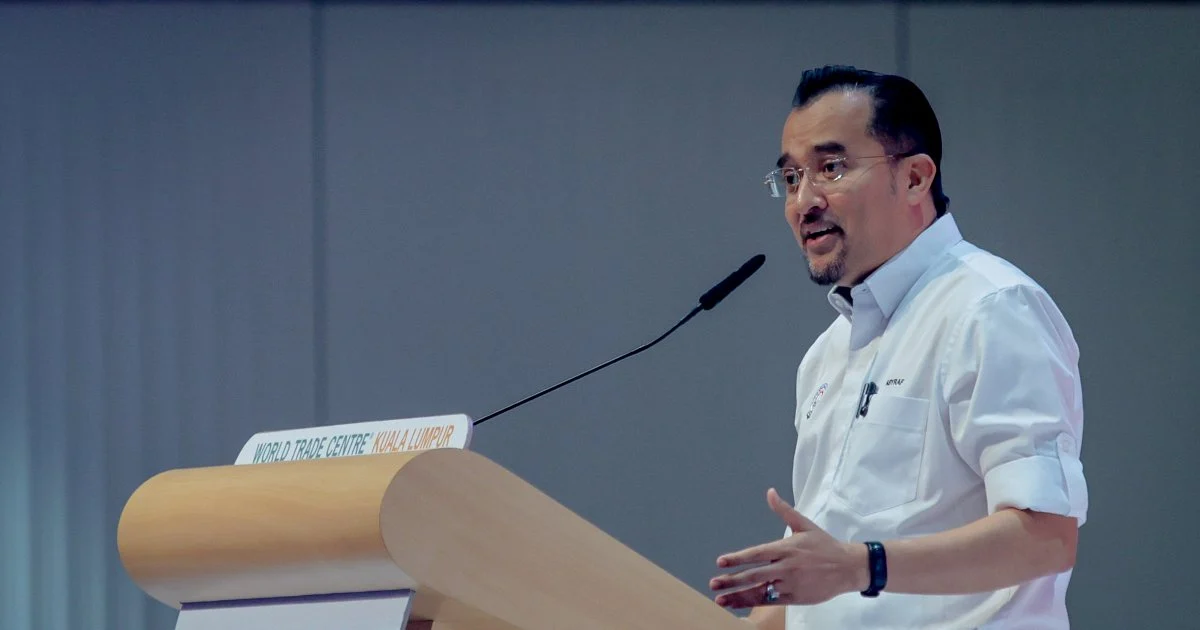
Mara has commenced a formal investigation into reports of bullying incidents at MRSM boarding schools, signalling a stringent enforcement of its disciplinary policies and a commitment to safeguarding student welfare across its network of institutions. The inquiry follows mounting public concern about the experiences of pupils in Malaysia's premier residential secondary schools, where boarding arrangements create unique dynamics that can sometimes enable misconduct among peers.
The decision to publicly declare the probe and stipulate potential expulsion represents a marked escalation in how Mara addresses student conduct issues. By making these warnings transparent, the agency seeks to deter future incidents and reassure parents that their children's safety remains a top priority within the residential school environment. This public-facing stance also reflects broader societal expectations that elite educational institutions must maintain rigorous standards of behaviour and accountability.
MRSM schools hold particular significance within Malaysia's education landscape, serving as pathways for talented students from disadvantaged backgrounds to access quality secondary schooling. These residential institutions have long been viewed as meritocratic platforms where academic excellence and character development are meant to be nurtured together. However, the boarding school model, while offering advantages in terms of intensive academic support and exposure to diverse peer groups, can also create closed environments where problematic behaviour sometimes goes undetected or unreported.
Bullying in boarding schools carries distinct dimensions compared to day schools. Students live in close quarters with peers for extended periods, with limited parental supervision and sometimes insufficient institutional oversight of dormitory spaces and informal social hierarchies. The physical and psychological impact on victims can be profound, affecting not only their academic performance but their fundamental sense of security during formative adolescent years. Recognising these dynamics, Mara's willingness to escalate its response demonstrates awareness that traditional approaches may prove insufficient in residential settings.
The threat of expulsion as a consequence represents a serious sanction within Malaysia's educational framework. For students at MRSM institutions, expulsion from one of the country's most prestigious boarding schools can have significant ramifications for their academic trajectories and future opportunities. By making this penalty explicit, Mara aims to create a powerful deterrent effect, particularly among older students who may be tempted to engage in bullying behaviour. Simultaneously, the agency must ensure that its investigative process is fair, transparent, and includes robust safeguards against false accusation.
For Malaysian parents with children in MRSM schools, this announcement carries mixed implications. On one hand, it signals that leadership takes student welfare seriously and is prepared to take decisive action. On the other hand, it may prompt anxious reflection among families about whether existing preventive mechanisms are adequate or whether bullying has become sufficiently prevalent to require this level of intervention. The inquiry results will likely shape public confidence in residential schooling as a model.
The timing and scope of Mara's investigation remain significant questions. Understanding whether the probe concerns isolated incidents or systemic patterns will help determine whether additional structural reforms are necessary across the MRSM network. Should findings reveal weaknesses in how schools monitor student conduct or support vulnerable pupils, Mara may need to implement broader changes to residential supervision protocols, counselling services, or peer mentoring programmes.
Within Southeast Asia's context, Malaysia's experience with addressing bullying in elite institutions reflects challenges common across the region. Singapore, Thailand, and Indonesia have similarly grappled with publicised cases of boarding school misconduct. Each jurisdiction has developed different regulatory responses, ranging from strengthened pastoral care requirements to mandatory reporting protocols. Mara's approach—combining investigation with transparent public communication—represents one regional model for institutional accountability.
The investigation also intersects with evolving conversations about duty of care in Malaysian education. Recent legal and policy discussions have emphasised institutional responsibility for student wellbeing beyond academic delivery. Should any allegations prove substantiated, the inquiry findings could inform guidance for how residential schools balance disciplinary measures with rehabilitation opportunities, and how institutions support both victims and perpetrators in recovery processes.
For MRSM students themselves, the investigation underscores that their voices matter and that misconduct carries consequences. Concurrently, it places responsibility on pupils to report incidents through proper channels rather than allowing bullying to persist in silence. Creating psychological safety for reporting represents a critical component of effective institutional change. Schools must establish confidential mechanisms that protect those who come forward while ensuring that investigations are conducted thoroughly and fairly.
Looking forward, Mara's leadership faces the challenge of transforming this investigative moment into systemic improvement. Beyond identifying and sanctioning individuals found culpable, the agency should consider whether deeper changes are needed in how residential schools are managed, supervised, and resourced. Enhanced staff training in recognising and preventing bullying, improved student leadership structures, and strengthened mental health support could complement disciplinary action.
The outcome of Mara's investigation will be closely watched by education stakeholders, parent groups, and advocacy organisations focused on student welfare. How thoroughly the agency conducts its inquiry, whether findings are communicated transparently to stakeholders, and whether resulting reforms address root causes rather than merely applying surface-level fixes will collectively determine whether this moment catalyses meaningful improvement in Malaysia's residential schooling environment or represents a merely temporary response to public pressure.

