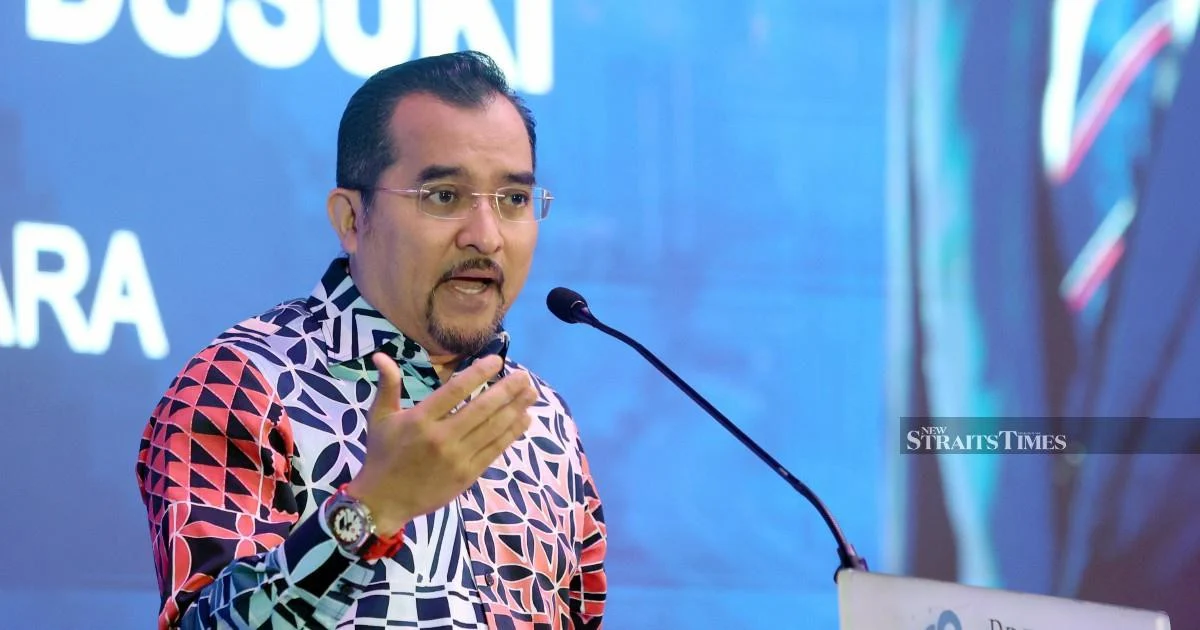
Majlis Amanah Rakyat (Mara) has signalled it will adopt a measured approach to allegations of bullying at one of its Johor junior science colleges, declining to take institutional action until authorities complete their inquiry. The decision to await the police investigation's conclusion reflects the organisation's commitment to ensuring any disciplinary steps rest on thoroughly substantiated evidence rather than preliminary complaints.
The allegations involve six students at a Mara junior science college (MRSM) in Johor who stand accused of bullying another student. While the specific nature and extent of the alleged misconduct remain under police examination, the case has underscored persistent concerns about interpersonal violence and intimidation within Malaysia's residential secondary education system. Such institutions, which cater to high-achieving students from across the country, operate with considerable public scrutiny given their role in producing future leaders and professionals.
Mara's cautious stance carries institutional logic. As a government-linked agency entrusted with developing human capital through educational programmes, any disciplinary action must withstand scrutiny and maintain procedural fairness toward the accused students. Premature intervention could expose the organisation to legal liability, damage its credibility as an impartial institution, or undermine due process protections that apply equally to all parties involved.
For Malaysian parents and students, the situation highlights the importance of formal accountability mechanisms within boarding school environments. Unlike day schools where parents maintain closer proximity to their children's daily experiences, residential colleges depend on institutional oversight to detect and address welfare concerns. The involvement of police investigation adds a layer of seriousness to what might otherwise be resolved through internal disciplinary mechanisms, suggesting that authorities regard the allegations as potentially involving criminal conduct rather than mere disciplinary matters.
The timing of Mara's statement coincides with broader national conversations about student welfare in high-pressure academic environments. Junior science colleges, while offering rigorous curricula and fostering academic excellence, create intense competitive atmospheres where vulnerable students may face social difficulties. The concentration of high-achieving teenagers in single-sex boarding settings, combined with limited parental supervision, can create conditions where interpersonal conflicts escalate beyond manageable disputes into instances of deliberate harm.
Police investigation protocols typically require gathering witness statements, documenting physical or psychological evidence, and establishing timelines before drawing conclusions. The thoroughness of this process, while sometimes frustrating to complainants seeking swift resolution, ultimately protects all parties by ensuring decisions rest on comprehensive fact-finding rather than partial information or emotional responses to distressing allegations.
Mara's position also reflects institutional culture across Malaysian secondary education, where senior management frequently defers to law enforcement when criminal dimensions emerge. This approach respects police expertise in investigating potential offences while allowing educational institutions to focus on their primary responsibility: maintaining safe, supportive learning environments for remaining students. However, critics argue that such deference can sometimes result in drawn-out timelines that delay justice for victims or create prolonged uncertainty for accused students awaiting resolution.
The Johor case will likely influence how Mara and similar institutions calibrate their responses to future bullying allegations. If the police investigation substantiates serious misconduct, Mara faces decisions about suspension, expulsion, or rehabilitation programmes. These choices will send signals about the organisation's commitment to student safety and its willingness to enforce consequences for serious behavioural breaches. Conversely, if the investigation finds insufficient evidence of criminal conduct, the institution must still consider whether internal disciplinary action remains appropriate based on its own codes of conduct.
For the broader education sector in Southeast Asia, Malaysia's handling of this case carries implications. Other countries in the region grapple with similar challenges around school bullying, institutional accountability, and the intersection between educational discipline and criminal justice. How Malaysian authorities navigate this case may inform approaches elsewhere in the region where residential schools serve significant student populations.
Stakeholders—including the affected student, their family, and the six accused students—occupy different positions regarding timeline preferences. The victim and their supporters naturally prefer swift outcomes that validate their concerns and prevent further harm. The accused students and their families, meanwhile, face extended periods of uncertainty and potential reputational damage during an active investigation. Institutional responses must navigate these competing interests while upholding fairness.
Mara's explicit commitment to awaiting full police findings suggests the organisation takes the matter seriously enough to avoid rushed decisions, yet its silence on interim measures raises questions about what immediate steps, if any, protect the broader college community during the investigation period. Temporary arrangements such as separating parties involved, increased supervision, or counselling services might operate independently of the ultimate disciplinary decisions.
Once police submit their report, Mara will confront substantive questions about institutional culture, prevention measures, and responses proportionate to proven facts. The manner in which the organisation addresses this case will likely define its reputation for student safeguarding and shape expectations for how similar institutions handle future incidents.

