Majlis Amanah Rakyat (MARA) is implementing a structural reform to its residential college system by deploying four dedicated full-time wardens drawn from military retirees to every MARA Junior Science College (MRSM) across the country. This initiative marks a significant shift in institutional staffing as MARA seeks to address growing concerns about student conduct and character formation in an era when traditional teaching staff increasingly bear unsustainable pastoral responsibilities. The plan will unfold in two phases: a pilot deployment commencing at 10 MRSMs during the current year, followed by nationwide rollout to all 58 colleges from January 2025 onwards.
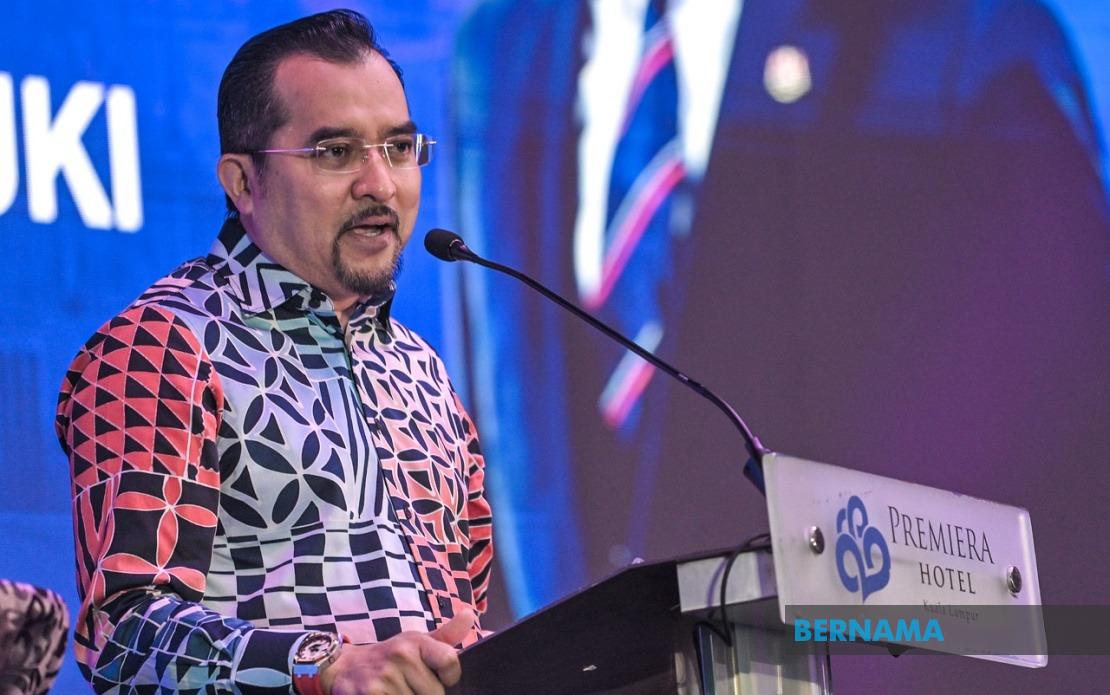
Datak Dr Asyraf Wajdi Dusuki, who chairs MARA, articulated the rationale behind this personnel restructuring during remarks at the 2026 MARA Educators' Awards Day held at Premiera Hotel in Kuala Lumpur. He emphasised that former military officers bring inherent advantages to the warden role: their professional backgrounds instil discipline, their management experience allows them to handle complex student situations, and their deployment liberates classroom teachers from burdensome non-teaching duties that fragment pedagogical focus. Each college will maintain gender balance through a staffing formula comprising two male and two female wardens, reflecting contemporary institutional expectations around safeguarding and pastoral diversity.
The recruitment process has progressed substantially, with the selection and screening of male candidates already concluded. Finalisation of female warden appointments was expected by the end of that week, ensuring no delays to the implementation schedule. MARA executed the selection phase in coordination with the Malaysian Armed Forces (ATM) and allied government agencies, establishing rigorous vetting protocols to guarantee that only former military personnel maintaining exemplary service records would be appointed. This collaborative approach underscores official commitment to preventing unsuitable appointments and maintaining public confidence in the institution's stewardship of young people.
Ayraf Wajdi framed this initiative within MARA's broader educational philosophy, stressing that institutional governance cannot be divorced from values formation. He articulated a philosophy positioning MARA as committed to graduating individuals who transcend narrow technical competence, instead embodying robust ethical frameworks and personal integrity. This positioning reflects broader Malaysian policy discourse around holistic education and character building, responding to recurring public anxieties about student conduct, cyberbullying, and the perceived erosion of traditional values in youth populations. The warden deployment therefore represents not merely operational adjustment but ideological statement about education's purpose.
The timing of this announcement coincides with MARA's communications around broader institutional performance metrics. The organisation reported its Technical and Vocational Education and Training (TVET) stream achieving a 99.1 per cent graduate employability rate, a striking figure suggesting substantial labour market alignment and industry confidence in MARA-trained personnel. More concretely, Samsung's recruitment of 700 MARA TVET graduates at a starting salary of RM3,500 monthly exemplifies the premium positioning of MARA qualifications in emerging technology sectors. These employment outcomes validate MARA's instructional quality and suggest that the institution's value proposition extends beyond academic credentials to encompassing workplace readiness and technical proficiency.
Parallel to the warden initiative, MARA allocated RM145,000 in additional funding to special excellence programmes targeting five MRSMs identified as among Malaysia's top-performing schools in the previous year's Sijil Pelajaran Malaysia (SPM) examination. This investment strategy reflects deliberate concentration of resources toward institutions demonstrating academic excellence, potentially amplifying competitive advantages these colleges already possess. The allocation may accelerate differentiation within the MRSM network, with high-performing institutions consolidating advantage through enhanced programming while lower-performing colleges focus on foundational improvements.
For Malaysian education stakeholders, particularly parents evaluating MRSM placement options and teachers managing residential college operations, this development carries multiple implications. The introduction of dedicated wardens signals institutional acknowledgment that pastoral care responsibilities have exceeded traditional capacity, validating longstanding teacher complaints about role inflation. Military-background wardens may introduce different disciplinary approaches than educators accustomed to pedagogical methods, potentially creating distinct institutional cultures across the MRSM network. Whether this divergence strengthens or fragments the system remains uncertain; standardised warden training and performance protocols will prove essential to consistency.
From a policy perspective, MARA's decision reflects broader Southeast Asian trends toward securitised institutional management and military-influenced approaches to youth oversight. Malaysia's historical reliance on military culture for character development makes this choice culturally intelligible, yet it carries assumptions worth scrutiny: that military discipline translates effectively to adolescent education environments, that former officers possess necessary safeguarding knowledge, and that warden deployment constitutes optimal use of institutional resources. The pilot phase at 10 colleges provides valuable implementation data before full-scale expansion, allowing MARA to adjust protocols and address emerging challenges.
The initiative also intersects with Malaysia's skills development imperatives and labour market preparation agenda. By strengthening institutional discipline and character dimensions while maintaining focus on technical competency—as evidenced by TVET employment outcomes—MARA positions itself as comprehensively serving national developmental needs. Employers increasingly signal preferences for graduates combining technical skills with disciplinary reliability and ethical consistency; MARA's multidimensional approach appeals to this articulated preference. Whether military-background wardens enhance institutional delivery on these fronts remains a live question warranting close monitoring through the pilot phase.
Looking forward, this initiative requires careful implementation architecture to succeed. Warden recruitment must avoid political patronage that undermines quality assurance; training programmes must equip military personnel with contemporary adolescent development knowledge and safeguarding expertise; performance evaluation systems must measure actual impacts on student outcomes rather than merely disciplinary incident counts; and feedback mechanisms must enable rapid course correction if unintended consequences emerge. The phased approach—commencing with 10 colleges before national expansion—provides appropriate caution, though MARA should establish clear criteria for evaluating pilot success before proceeding to full deployment. Transparent communication with college communities about warden roles, authority parameters, and accountability mechanisms will prove essential to public acceptance and institutional legitimacy.

