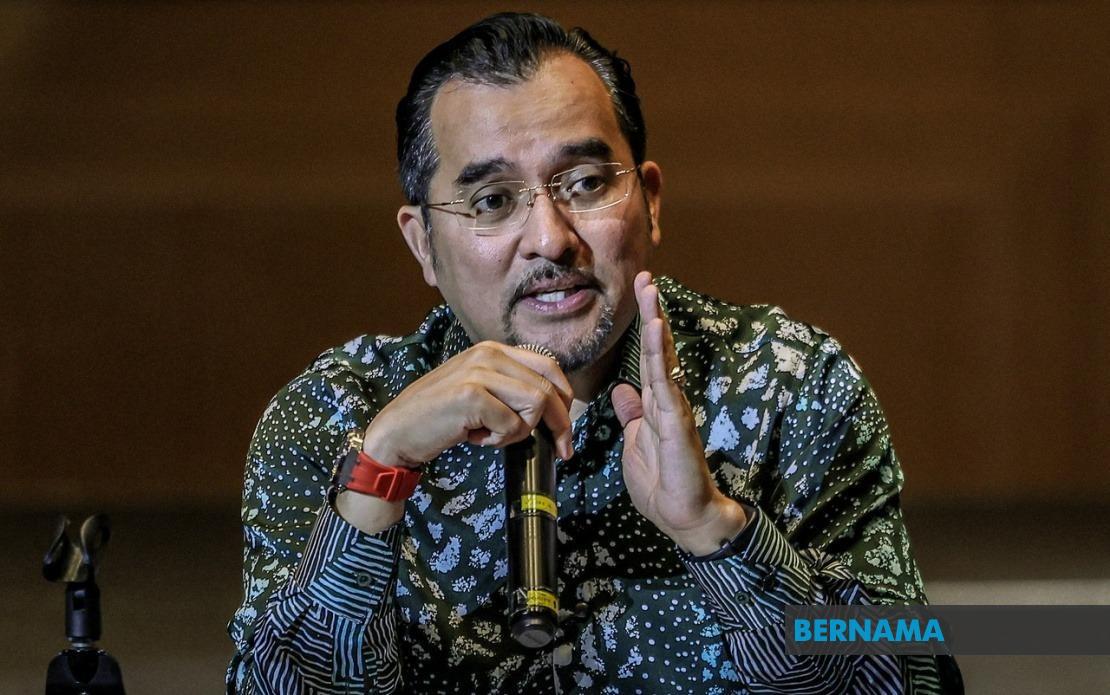
Malaysia's Majlis Amanah Rakyat is preparing a comprehensive legislative overhaul designed to modernize the institution's governance framework and address long-standing organizational weaknesses. MARA chairman Datuk Dr Asyraf Wajdi Dusuki confirmed that the Majlis Amanah Rakyat (MARA) Bill 2026, expected to reach Parliament before year-end, dedicates approximately 80 per cent of its provisions to corporate governance improvements aimed at reinforcing the agency's operational structure and internal oversight mechanisms.
The reform initiative responds to a troubling history of governance failures that have undermined public confidence in MARA's stewardship of resources allocated for Malay and Bumiputera advancement. The Bill's focus addresses recurring problems including power abuse, management lapses, asset misappropriation, procedural irregularities, financial leakages, and operational waste that have periodically affected the institution. These deficiencies have raised questions about MARA's capacity to protect and advance the interests of Malays and Bumiputeras in an increasingly complex economic environment.
A cornerstone of the proposed legislation involves fundamentally restructuring the MARA chairman's authority. Currently operating under the MARA Act 1966, the position consolidates significant executive and governance powers. The new Bill would constrain this concentration by limiting the chairman's role primarily to Board direction and strategic policy determination, eliminating certain administrative and operational authorities that exist under present legislation. This recalibration reflects international best practices emphasizing the separation of executive and governance functions, a principle increasingly adopted across government-linked companies in Southeast Asia.
The legislation introduces a meaningful distinction between Board oversight and operational management, establishing clear demarcation lines to prevent governance conflicts. Proposed amendments mandate that Board members meet rigorous "fit and proper" criteria designed to ensure appointments reflect professional competence, ethical standards, and sectoral expertise. Additionally, the Bill introduces term limits for Board service, preventing the indefinite tenure arrangements that have sometimes enabled problematic governance cultures.
Financial controls form another substantial component of the reform framework. The Bill tightens governance around procurement and financial management, establishing requirements aligned with both national and internationally-recognized standards. This enhancement proves particularly significant given MARA's substantial asset base and annual expenditure, ensuring resources directed toward Bumiputera development programs achieve their intended developmental impact rather than being diverted through procedural gaps or weak oversight mechanisms.
The proposed legislation establishes several mandatory Board committees addressing different governance dimensions. These include dedicated committees focused on audit functions, investment oversight, financial management and governance, and risk assessment. The establishment of these specialized committees distributes governance responsibilities across multiple stakeholders rather than concentrating decision-making authority, creating multiple accountability checkpoints within the organizational structure.
A notable innovation involves creating a dedicated Syariah Committee, representing the first formal integration of Islamic law compliance within MARA's governance architecture. This committee ensures all MARA operations, particularly financial practices and business activities, maintain alignment with Islamic principles and contemporary Syariah jurisprudence. For an institution central to Bumiputera advancement, this addition acknowledges the importance of values-aligned governance reflective of the cultural and religious contexts within which the agency operates.
The reform trajectory traces back to Asyraf Wajdi's appointment as MARA chairman on March 10, 2023, when he established a special task force led by former Bank Negara Malaysia governor Tan Sri Muhammad Ibrahim. This governance review process examined existing weaknesses and identified necessary institutional changes. Interim measures already implemented have included strengthened financial discipline protocols, forensic audits of MARA subsidiaries examining potential asset mismanagement or irregularities, centralized internal audit functions consolidating oversight of MARA and MARA Corp operations, and comprehensive procurement division restructuring to eliminate vulnerability to irregularities.
Additional foundational changes introduced management reporting systems aligned with international standards, including monthly financial performance briefings to the MARA Council. These procedural modifications establish transparency mechanisms enabling rapid identification of financial anomalies or performance deviations, addressing accountability gaps evident in MARA's historical governance shortcomings. The implementation of these interim reforms demonstrates commitment to institutional transformation preceding formal legislative change.
For Malaysian stakeholders and Bumiputera entrepreneurs, the proposed Bill carries significant implications. A strengthened MARA governance framework potentially enhances the institution's operational effectiveness, enabling more efficient resource allocation toward skills development, entrepreneurship support, and economic empowerment programs. Improved financial oversight and reduced leakages mean proportionally greater program resources reach intended beneficiaries. Furthermore, enhanced governance credibility could strengthen public and investor confidence in MARA-supported enterprises and initiatives.
Regionally, MARA's governance transformation reflects broader Southeast Asian trends emphasizing institutional accountability and professional management standards in government-linked entities. As economies across the region compete for development investment and entrepreneurial talent, institutional credibility and good governance practices increasingly influence economic outcomes. MARA's legislative modernization positions the agency competitively within this evolving landscape.
The Cabinet's in-principle approval of the Bill signals political commitment to institutional reform, though Parliamentary scrutiny will ultimately shape the final legislative text. The comprehensive nature of proposed changes suggests recognition that incremental adjustments prove insufficient for addressing systemic governance weaknesses. By year-end presentation to Parliament, the MARA Bill 2026 will likely become a significant marker of Malaysia's commitment to strengthening governance frameworks within institutions central to economic transformation and Bumiputera advancement objectives.

