The Majlis Amanah Rakyat, a cornerstone institution entrusted with advancing Bumiputera and Malay economic interests, is poised for significant structural reform. The proposed MARA Bill 2026 represents the culmination of extensive legislative work and will arrive in Parliament this November following Cabinet approval. The modernisation effort signals the government's determination to address longstanding governance vulnerabilities that have periodically compromised public confidence in the agency responsible for managing billions in Bumiputera development initiatives.
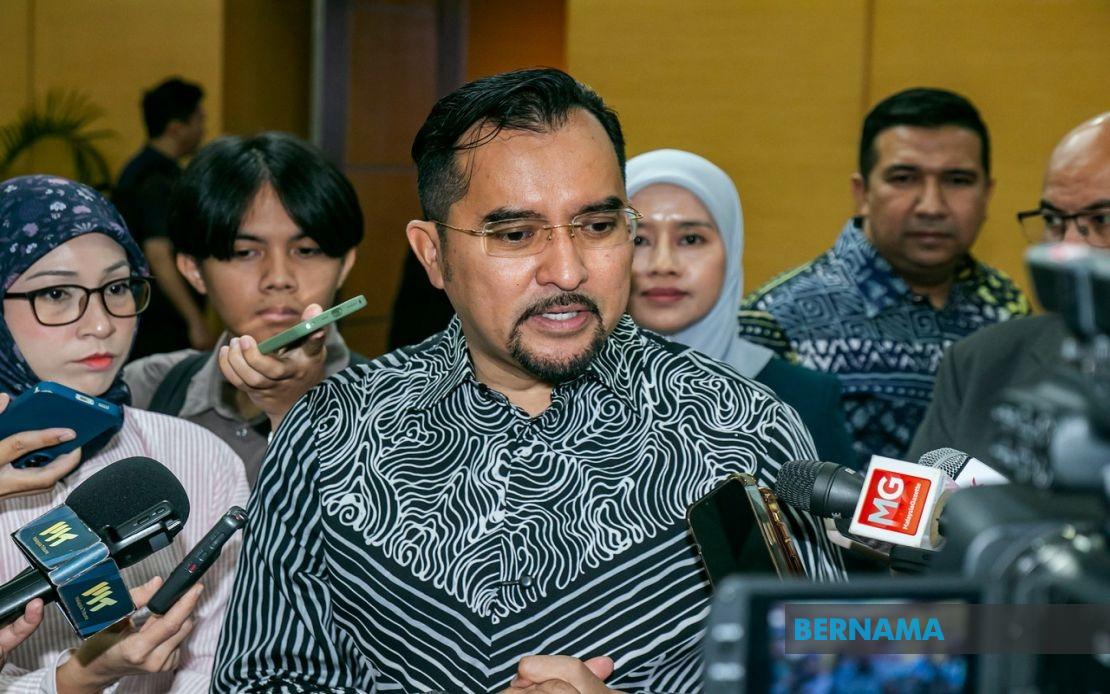
Chairman Datuk Asyraf Wajdi Dusuki outlined the legislative architecture during remarks at a MARA-sponsored pre-departure programme, emphasising that approximately four-fifths of the bill's provisions are devoted to entrenching good governance principles. These standards draw from international best practices and corporate frameworks that have proven effective in large institutional environments. The shift toward codified governance rather than discretionary administrative arrangements reflects growing recognition that MARA's stewardship of Bumiputera interests requires safeguards beyond individual leadership, however capable.
One of the bill's most consequential features involves substantially curtailing the chairman's executive scope. Under the existing MARA Act 1966, the chairman wields expansive administrative authority that the new legislation will materially reduce. Going forward, the chairman's role will centre on presiding over the Board of Directors or Council and shaping institutional policy direction, functions that align more closely with oversight than operational management. This recalibration addresses a persistent institutional vulnerability: the concentration of decision-making power in a single individual creates accountability gaps and elevates the risk of abusive practices, whether through deliberate malfeasance or administrative overreach.
Dusuki framed the governance reforms not as a personal legacy but as a necessary institutional strengthening. His public distinction between temporary occupants of office and the enduring nature of institutional frameworks carries particular weight in the Malaysian context, where public sector agencies have occasionally suffered reputational damage stemming from individual misconduct or mismanagement. By depersonalising the governance agenda, the chairman has positioned the bill as a structural necessity rather than a reflection on current leadership, a framing likely to facilitate smoother parliamentary passage.
The legislative effort follows public acknowledgment of past vulnerabilities. In mid-August, Asyraf Wajdi identified the core rationale for the bill: preventing recurrence of abuse of power, governance deficiencies, misappropriation, irregularities, financial leakages, wastage, and institutional risks. The specificity of these concerns suggests that the drafting process has incorporated lessons from documented failures within MARA or comparable government-linked institutions. Rather than remain anchored to a 1966 legislative framework designed for a vastly different institutional environment and administrative context, the modernised bill positions MARA to address contemporary threats to fiduciary responsibility.
The temporal dimension of governance reform emerges as a crucial theme in Dusuki's public commentary. He observed that institutional requirements shift systematically across decades, implying that the 2026 framework, while substantially improved, should itself remain subject to future refinement. This evolutionary perspective contrasts sharply with institutional sclerosis, where legislation from the mid-twentieth century persists largely unchanged despite transformations in corporate practice, regulatory expectations, and threat landscapes. For Malaysian policymakers and institutional stewards, the explicit acknowledgment that governance standards must continuously advance signals a maturation in institutional thinking.
The bill's emphasis on reducing the chairman's powers carries implications extending beyond MARA itself. As government-linked companies and statutory bodies across Malaysia face periodic scrutiny regarding governance adequacy, the MARA precedent may influence future institutional redesigns. By establishing that substantial executive authority should be distributed across board structures with defined checks and balances rather than concentrated in individual office-holders, the bill articulates governance principles applicable to numerous public entities. This standardisation around international norms and corporate best practices aligns Malaysian institutional development with expectations prevalent in more mature economies.
The anti-corruption architecture embedded throughout the bill's provisions represents perhaps its most critical feature. By constraining unilateral decision-making authority, establishing clear delineation between policy direction and administrative implementation, and presumably incorporating enhanced transparency and accountability mechanisms, the legislation erects multiple barriers against misconduct. The explicit commitment to eliminating space for corruption, malpractice, and misappropriation acknowledges that governance structures either facilitate or inhibit unlawful conduct—procedural robustness constitutes an active corruption-prevention strategy.
For Bumiputera stakeholders and the broader Malaysian public, the MARA Bill 2026 offers reassurance that institutional leadership recognises the stakes involved in managing these development mandates responsibly. The Bumiputera agenda commands substantial national resources and carries significant expectations regarding equitable wealth distribution and community advancement. An institutional framework characterised by robust governance, distributed authority, and structural anti-corruption safeguards enhances the likelihood that MARA will fulfil its mandate effectively and equitably.
Parliamentary consideration in November will provide opportunity for detailed scrutiny of the bill's provisions, potential amendments, and implementation arrangements. Legislators from both government and opposition benches have legitimate interests in ensuring the framework adequately protects public interest while preserving MARA's operational effectiveness. The timing allows sufficient legislative calendar space for thorough examination before year-end, positioning the reformed institution to operate under the modernised legal framework well before 2027.
The MARA Bill 2026 ultimately reflects a broader institutional maturation within Malaysia's government apparatus. By acknowledging that governance frameworks require periodic overhaul to remain fit for purpose, and by committing to structural changes that prioritise institutional integrity over individual executive convenience, policymakers demonstrate responsiveness to good governance imperatives. The bill's journey through Parliament over coming months will test whether legislative consensus supports these modernising principles or whether institutional inertia and competing interests constrain reform ambitions.

